
Top Tips to Train Your Dog to Use the Bathroom in the Right Spot
Understanding Effective Dog Training
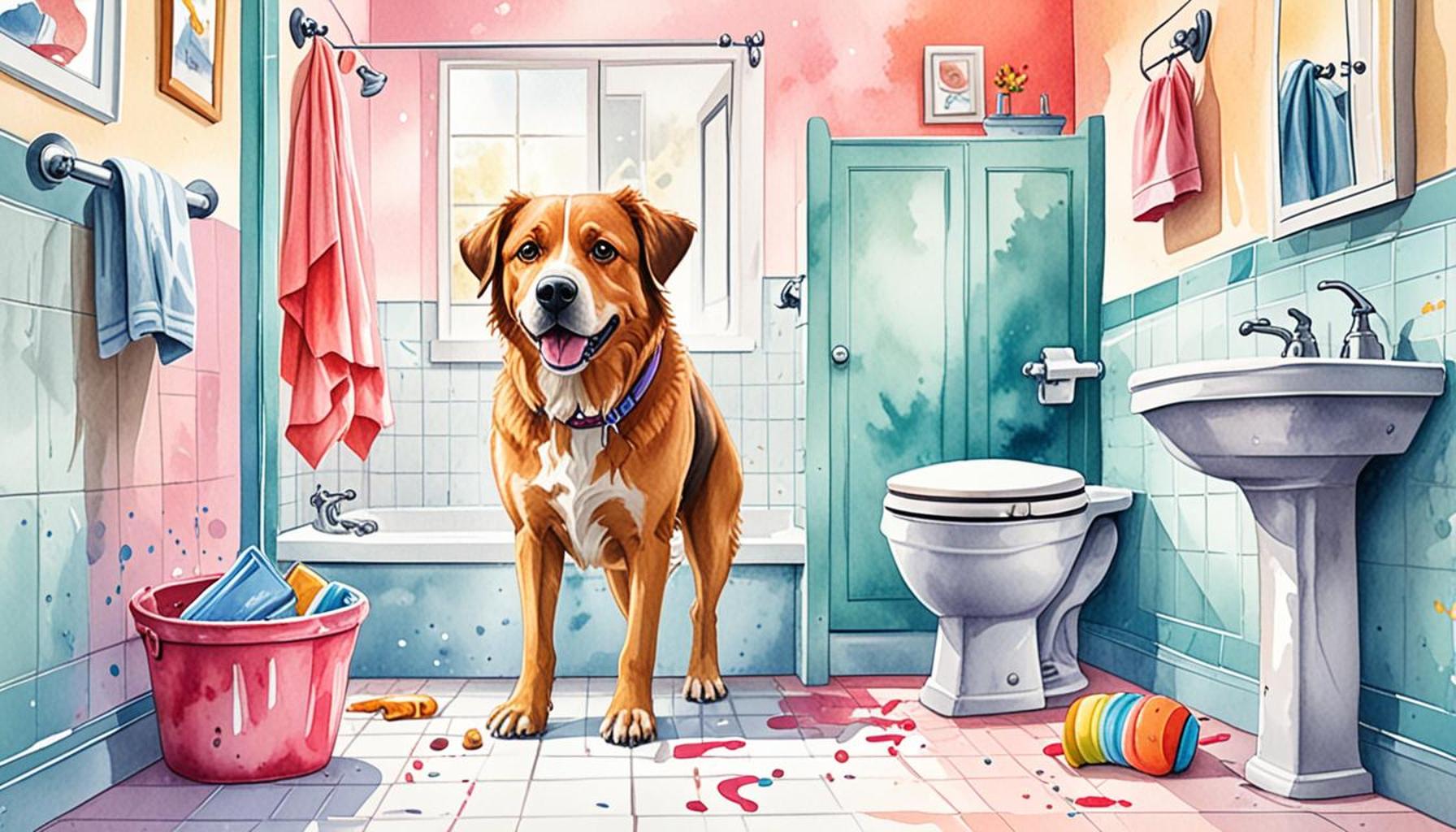
Training your dog to relieve itself in appropriate areas may seem daunting at first, but the rewards far outweigh the challenges. A well-trained dog not only creates a more pleasant living space but also contributes to the establishment of a serene and joyful home environment. Proper training is crucial for various reasons:
- Hygiene: Dogs, like any other pets, can create health hazards if not properly trained. By teaching your dog to go in designated areas, you significantly reduce the amount of mess in your home. Regular bathroom habits can help prevent odors and unsanitary conditions, contributing to a cleaner space for both you and your pet.
- Behavioral Harmony: A dog that understands where it can relieve itself will likely exhibit better behavior overall. This understanding fosters a peaceful coexistence between you and your furry friend, reducing frustration and confusion.
- Stress Reduction: Training sessions can be stressful for both pets and owners. Establishing clear routines for bathroom breaks can minimize anxiety, making the process smoother for everyone involved.
Embarking on the journey of potty training requires knowledge of effective methods and a commitment to practice. Key strategies include:
- Schedule Regular Breaks: Dogs thrive on routine. Setting a consistent schedule for bathroom breaks helps your dog understand when and where it is time to go. For instance, taking your dog out first thing in the morning, after meals, and before bed can establish a reliable pattern. This regularity is paramount, as dogs generally need to relieve themselves after eating or resting.
- Positive Reinforcement: Reward-based training can work wonders! When your dog successfully goes in the right spot, offer treats or verbal praise. This not only reinforces the behavior but also makes the training experience more enjoyable. For instance, using a special treat they love, like small pieces of chicken or cheese, can motivate them further.
- Detect Signs: Learning to recognize your dog’s unique signals indicating the need to go is essential. Common signs include sniffing around, circling, or whining. By being attentive to these cues, you can prompt your dog to go outside promptly, reducing the chance of accidents in your home.
Equipping yourself with these targeted strategies can transform the often daunting task of potty training into a seamless and impactful learning experience. Remember, patience and consistency are your best tools. As you navigate through this process, you may also consider seeking advice from professional trainers, who can provide tailored solutions to specific challenges. With the right approach, you’ll soon find that training your dog can be a joyful bonding experience, paving the way for a lifetime of companionship.
SEE ALSO: Click here to read another article
Essential Strategies for Successful Potty Training
When it comes to effectively training your dog to use the bathroom in the right spot, a foundational understanding of canine behavior paired with strategic approaches can make all the difference. The process is not merely about preventing accidents; it’s about fostering a deeper connection and open lines of communication with your pet. Here, we explore some essential strategies that can streamline your potty training efforts.
Establish a Designated Bathroom Area
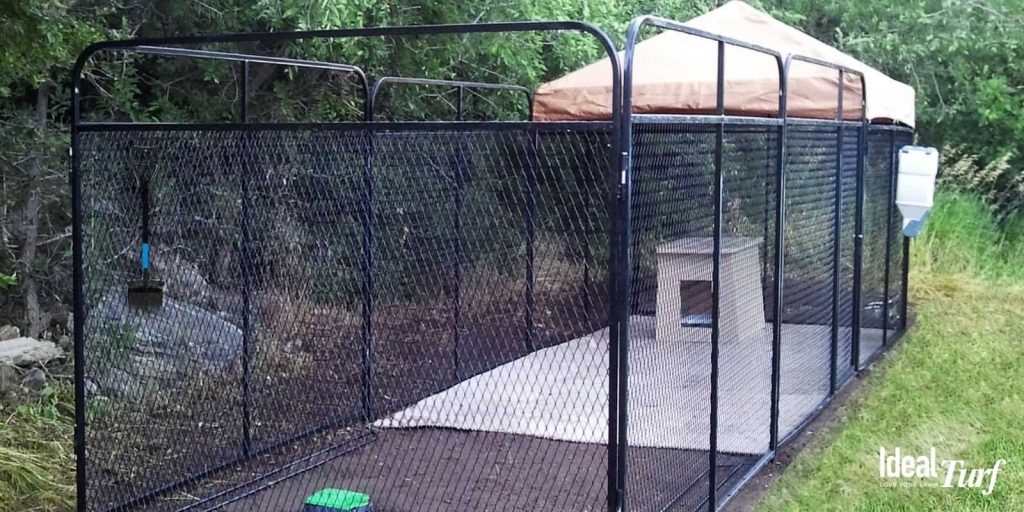
One of the first steps in training your dog is to designate a specific bathroom area. This location should be consistent, whether it’s in your backyard or a nearby park. By associating a particular spot with potty time, your dog will quickly learn where it’s appropriate to relieve itself. Moreover, consider the environment of the designated area; it should be a calm space not too far from your home, so your dog feels comfortable and secure. If you’re considering outdoor training, choose a spot accessible for both you and your pet.
Utilize Crate Training
Crate training can be a powerful tool in your potty training arsenal. Dogs are den animals by nature and typically avoid soiling their sleeping area. By using a crate correctly, you can establish boundaries while also encouraging your dog to hold its bladder until you take it outside. Ideally, a crate should be used for brief periods, supplemented with regular outdoor breaks. Remember, the crate should never be a place of punishment; instead, it must be a safe, inviting haven for your furry companion.
Observe and Respond to Your Dog’s Needs
Being observant is key to successful potty training. Pay attention to your dog’s behavior for signs that it needs to go. Common indicators include:
- Sniffing: Dogs often sniff around their environment to locate the ideal bathroom spot.
- Pacing: If your dog is pacing or circling, it may signal an urgent need to relieve itself.
- Whining: A sudden increase in vocalizations can indicate discomfort or the need to go outside.
- Restlessness: If your dog seems anxious or unsettled, it may be a sign that it needs to be taken out.
By recognizing these signals, you can anticipate your dog’s bathroom needs and take them out in a timely manner, thereby minimizing the risk of indoor accidents.
Stay Patient and Consistent
Potty training is a journey that requires patience and consistency. There are bound to be ups and downs along the way. If your dog has an accident, avoid punishing it. Instead, clean the area thoroughly to remove any lingering scent, as dogs may return to spots marked by their previous eliminations. By maintaining a calm demeanor and focusing on your dog’s successes rather than mistakes, you will nurture a positive atmosphere conducive to learning.
Incorporating these strategies not only simplifies training but also sets the stage for a deeper bond with your pet, underscoring the importance of communication and understanding in your relationship. As you continue to experiment with different methods, always remember that each dog is unique, and finding what works best for your furry friend may take some time.
| Training Tips | Benefits |
|---|---|
| Establish a Routine | Creating fixed times for bathroom breaks helps your dog associate these moments with going outside, making the process smoother. |
| Positive Reinforcement | Encouraging your dog with treats and praise when they go in the right spot increases the chances of repetition, reinforcing good habits. |
| Limit Free Roaming | By limiting your dog’s access to the house initially, you can better monitor bathroom habits and direct them to the correct area without distractions. |
| Watch for Signs | Understanding your dog’s cues, such as sniffing or circling, helps you identify when they need to go out, empowering timely interventions. |
Implementing these tips effectively can greatly enhance your dog training journey, leading to a more harmonious living environment for both you and your furry friend. By utilizing strategies such as establishing routines and positive reinforcement, you’ll find that potty training can be accomplished swiftly and effectively. Consider each aspect of training as part of a holistic approach to dog care, fostering an open line of communication with your pet and laying the foundation for future training successes.
CHECK OUT: Click here to explore more
Reinforcement Techniques to Encourage Positive Behavior
Training your dog to use the bathroom in the right spot is not just about teaching them where to go; it’s equally important to reinforce the behavior you want to see. Utilizing positive reinforcement techniques can significantly impact your dog’s learning process and overall response to potty training. Here’s how to effectively harness the power of rewards to create a successful potty training experience.
Positive Reinforcement
Positive reinforcement is a method widely proven to enhance a dog’s learning curve. When your dog successfully uses the designated bathroom area, immediately reward them with praise, treats, or even their favorite toy. This acts as a powerful motivator, signaling to the dog that they have done something right. For instance, if your pup goes outside and does their business, excitedly say “Good boy!” or offer a small piece of their favorite treat right after they finish. Consistency is key—make sure to reward every success in the beginning until the behavior becomes routine.
Create a Potty Routine
Another effective strategy is to develop a potty routine. Dogs thrive on structure, and knowing when to expect bathroom breaks helps them manage their needs better. Start by taking your dog out:
- First thing in the morning: As soon as you wake up, take your dog outside.
- After meals: Dogs typically need to relieve themselves after eating. Wait about 15-30 minutes post-meal for your dog’s bathroom break.
- After playtime: Activity can stimulate a dog’s bowels; thus, make it routine to go outside afterward.
- Before bedtime: Make it a habit to take your dog out before you settle in for the night.
By developing this routine, your dog will begin to anticipate their bathroom breaks, making them more likely to signal when they need to go.
Use Command Words
Incorporating specific command words can greatly assist in potty training. Choose a simple phrase like “Go potty” or “Do your business” that you will use consistently whenever you take your dog to the designated area. By associating the command with the act of going to the bathroom, your dog will gradually learn to respond to the cue over time. Remember to use the command just before they relieve themselves, and reward them as soon as they finish to cement the association in their minds.
Monitor Food and Water Intake
Understanding your dog’s dietary habits can also play a vital role in potty training success. Monitor when and how much your dog eats and drinks throughout the day. If you notice that your dog tends to urinate frequently after drinking a significant amount of water, it might be helpful to limit water intake in the hours leading up to bedtime. However, always ensure that your dog has access to fresh water throughout the day to stay hydrated. Adjustments to your dog’s schedule may be necessary to align their elimination patterns with your desired bathroom routine.
Be Mindful of Triggers
Lastly, recognize any environmental triggers that may encourage your dog to relieve themselves. Certain smells, sounds, or sights could prompt an instinctive response. Take note of what excites or calms your dog during bathroom breaks, and use that knowledge to facilitate a smooth potty training process. For example, if your dog is more likely to go after seeing other dogs do so or specific smells outdoors, try to create opportunities to expose them to those triggers.
By integrating positive reinforcement, a structured routine, command words, and a thoughtful approach to your dog’s environment, you can turn potty training into a more manageable and rewarding process. These techniques not only strengthen your bond with your dog but also foster a lifestyle built on understanding and cooperation. As each dog is unique, remain patient and adjust your methods to find out what specifically resonates with your furry friend.
CHECK OUT: Click here to explore more
Conclusion: Mastering Potty Training with Patience and Consistency
Successfully training your dog to use the bathroom in the right spot requires a blend of patience, persistence, and understanding. As emphasized throughout this article, establishing a routine, using positive reinforcement, and incorporating command words are essential tools in making your potty training journey smoother. Recognizing individual triggers that may affect your dog’s behavior can further enhance their learning experience.
The importance of time and consistency cannot be overstated; pet owners should remember that each dog is unique, requiring personalized approaches and adjustments. By staying attuned to your dog’s needs and maintaining a structured schedule, you will foster an environment where your pet can confidently learn the desired behaviors.
Moreover, engaging with your dog during this training process not only benefits potty habits but also strengthens your bond, leading to a more harmonious relationship. Consider this training period an opportunity for greater communication and understanding between you and your furry companion.
If you find yourself encountering challenges during this process, seeking advice from professional trainers or pet behavioral experts can offer additional insights and support. Indeed, embracing these top tips will lead to not only effective potty training but also contribute to a well-behaved, happy dog.
In conclusion, dog ownership involves mutual learning. Equip yourself with knowledge, remain patient, and celebrate each accomplishment, no matter how small, as you embark on the rewarding challenge of potty training your beloved pet. Your dedication will pave the way for a happier and cleaner home for both you and your dog.