Safe Techniques to Reduce Aggressive Behavior in Dogs Effectively
Understanding Aggressive Behavior in Dogs
In a world where dogs are often seen as beloved companions, managing aggressive behavior is paramount for maintaining peace and safety. Aggression in dogs can stem from various sources such as fear due to past trauma, underlying anxiety, or instinctive territoriality. Each of these factors can significantly affect a dog’s interactions with people and other animals. By implementing effective behavioral management techniques, pet owners can help their furry friends overcome challenging behaviors, fostering a more harmonious household environment.
Safe Techniques for Managing Aggression
To effectively address and manage aggression, it’s crucial to use techniques that promote safety and well-being. The following approaches have proven to be particularly effective:
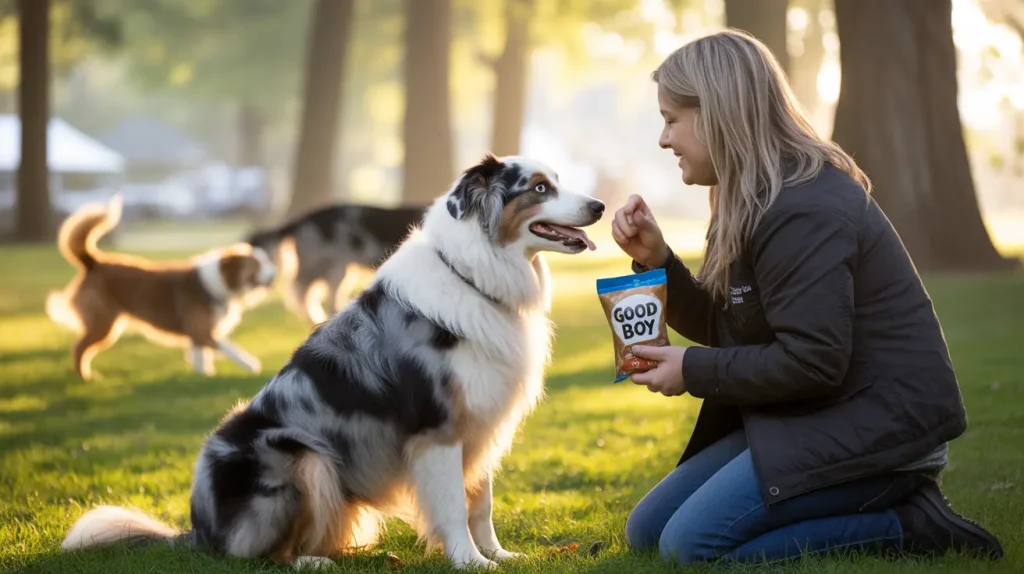
- Positive Reinforcement: This technique involves rewarding desirable behavior, which encourages dogs to repeat those actions. For example, if a dog remains calm in a potentially triggering situation, giving them a treat can reinforce that positive response. This approach not only promotes good behavior but also builds trust between the dog and owner.
- Desensitization: Desensitization involves slowly acclimatizing a dog to its triggers in a controlled manner. For instance, if a dog reacts aggressively towards other dogs, gradually introducing them to non-threatening dogs from a distance can help reduce anxiety over time. This method requires patience as it is essential to keep the dog below its stress threshold to prevent overwhelming reactions.
- Training Commands: Basic commands like “sit,” “stay,” and “leave it” serve as powerful tools during moments of potential aggression. By teaching a dog these commands, owners can gain control over situations that may lead to aggressive behavior. For example, commanding a dog to “sit” when it encounters another dog may help diffuses the moment and reduce tension.
- Redirecting Focus: When a dog becomes fixated on a trigger, redirecting its attention can be incredibly effective. This might involve tossing a toy, making a sudden noise, or using another command to draw the dog’s focus away from potential aggressors. This strategy not only helps in calming the dog but also teaches it to respond to cues rather than wild instincts.
Recognizing the Signs of Aggression
It’s essential for dog owners to recognize early signs of aggression to implement preventive measures. Common indicators include:
- A stiff body posture: A dog that becomes rigid may be feeling threatened or defensive.
- Growling or barking: Vocalizations can serve as warnings or expressions of discomfort, alerting owners to potential issues.
- Barred teeth: Baring teeth is often viewed as a clear indication of a dog’s intent to defend itself or assert dominance.
Understanding these signs and applying the aforementioned techniques can go a long way in managing and mitigating aggressive tendencies in dogs. By recognizing and addressing their needs, dog owners can not only ensure safety but also improve the quality of life for both themselves and their pets. This proactive approach not only leads to a more peaceful home but enriches the bond between dogs and their human companions, paving the way for a more fulfilling shared life together.
SEE ALSO: Click here to read another article
Effective Strategies to Promote Calmness and Safety
Addressing aggressive behavior in dogs is not a one-size-fits-all solution; it requires a nuanced understanding of the dog’s individual temperament and triggers. Utilizing a combination of techniques can dramatically improve a dog’s behavior while ensuring the safety of all involved. Here are some effective strategies:
- Behavioral Modification through Training: Implementing a structured training program can drastically alter a dog’s aggressive tendencies. Engaging with a professional trainer who specializes in behavior modification can provide tailored techniques that fit the specific needs of the dog. Utilizing consistent commands and cues can create a predictable environment for the dog, reducing anxiety and potential defensive aggression.
- Controlled Socialization: Gradual exposure to various social situations can help dogs acclimate successfully to different stimuli. This technique involves supervised interactions with other dogs and people, allowing the pet to learn appropriate responses in a safe setting. Owners can schedule supervised playdates or group training classes, creating opportunities for positive experiences in social environments.
- Managing the Environment: Environmental management is key in preventing aggressive incidents. This can include using baby gates or leashes when introducing a new pet or person into the home, or creating a quiet spot for a dog to retreat during moments of stress. By controlling the environment, owners can minimize triggers and reduce the likelihood of aggressive responses.
- Regular Exercise and Mental Stimulation: Providing adequate physical exercise and mental stimulation can help mitigate aggressive tendencies in dogs. Activities like long walks, fetch, or puzzle toys stimulate a dog’s mind and body, which can lead to a more balanced and contented pet. Dogs that receive enough exercise are less likely to act out due to pent-up energy or frustration.
- Seeking Professional Guidance: In some cases, aggressive behavior may be rooted in deeper psychological issues that cannot be managed through simple techniques. Consulting a veterinarian or an animal behaviorist can be beneficial. They can provide insights into whether the aggression is caused by a medical issue, such as pain or discomfort, and suggest appropriate treatment or training plans.
Utilizing these strategies provides a comprehensive approach to reducing aggressive behavior in dogs. It’s crucial, however, for owners to remain patient and consistent. Change does not occur overnight, and maintaining a calm demeanor while implementing these techniques can yield significant improvements over time. Creating a stable and nurturing environment will not only help minimize aggression but enhance the overall relationship between pets and their owners, thereby ensuring a harmonious household.
| Training Techniques | Effectiveness |
|---|---|
| Positive Reinforcement | This method encourages good behavior through rewards, promoting a harmonious bond between dog and owner. |
| Desensitization | Gradually exposing the dog to their triggers helps them become more comfortable, effectively reducing reactivity and aggression. |
| Redirecting Attentions | Offering an alternative focus, such as toys or tasks, prevents negative reactions during stressful situations. |
| Calm-Dog Techniques | Practicing breathing techniques, or using calming aids, promotes relaxation which helps in managing aggressive behaviors. |
Maintaining safety when handling dogs exhibiting aggressive behavior is paramount. Employing safe techniques not only assists in creating a peaceful environment but also fosters a better understanding between the pet and owner. Implementing these methods encourages responsible pet ownership and reinforces trust. Moreover, focusing on effective communication with your dog can significantly reduce instances of aggression, paving the way for a healthier dynamic. As each dog is unique, tailoring these techniques to suit individual needs ensures more successful outcomes. For those interested in delving deeper into this topic, resources on canine behavior and professional training become invaluable tools in mitigating aggressive tendencies effectively.
SEE ALSO: Click here to read another article
Deeper Understanding and Alternative Approaches
To effectively manage and reduce aggressive behavior in dogs, it is essential to broaden the approach beyond surface-level techniques. Understanding the root causes of aggression, as well as exploring alternative methods, can lead to more significant and lasting results. Here are several expanded techniques that can be employed:
- Recognizing Body Language: Understanding canine body language is crucial for preventing aggressive incidents. Signs such as growling, baring teeth, or a stiff posture indicate discomfort or anxiety. By learning to read these signals, owners can take proactive measures to remove the dog from situations that may provoke aggression, ensuring both the dog’s safety and the safety of others.
- Desensitization Techniques: This method involves gradually exposing the dog to the triggers that cause aggressive responses in a controlled and safe manner. For example, if a dog is aggressive towards children, introducing children in a calm environment while rewarding the dog for staying relaxed can help desensitize it to that specific trigger over time. This technique requires patience and consistency, validating the need for a methodical approach to training.
- Use of Positive Reinforcement: Instead of punitive measures, positive reinforcement emphasizes rewarding desirable behavior. This can include treats, affection, or verbal praise when a dog displays calm behavior around a stimulus that normally triggers aggression. This not only encourages good behavior but also helps build a trusting bond between the dog and the owner, reinforcing a sense of security.
- Behavioral Health Supplements: Some pet owners have found success using natural supplements designed to promote calmness. These can include ingredients like L-theanine or omega-3 fatty acids, which are known to support a dog’s mental well-being. However, it’s crucial for owners to consult with a veterinarian before starting any new supplement regimen, as individual health considerations matter greatly.
- Utilizing Muzzles in Training: While the idea of using a muzzle may provoke concern, when used appropriately, a muzzle can be a valuable tool in safely training dogs prone to aggression. Muzzles prevent biting during training sessions, allowing for exposure to triggers without the risk of injury. Properly conditioning a dog to use a muzzle can make the experience positive, ensuring both safety and the opportunity for desensitization.
- Adopting Structured Routines: Many dogs thrive on routine. Establishing a daily schedule—including walking times, feeding, and play sessions—can significantly reduce anxiety and uncertainty, leading to fewer aggressive outbursts. Predictability helps dogs feel secure, as they know what to expect, thus curbing aggressive tendencies driven by stress or fear.
By integrating these advanced techniques into a tactical approach that considers a dog’s specific needs and triggers, owners can foster a more peaceful and harmonious home. Engaging in ongoing education and research about canine behavior can also empower owners to stay informed and proactive in addressing potential aggression, ultimately ensuring a safer environment for both pets and people.
CHECK OUT: Click here to explore more
Conclusion: Building a Safer Canine Companionship
In summary, addressing aggressive behavior in dogs is far from a one-size-fits-all solution. It calls for a comprehensive understanding of canine psychology, and the willingness to invest time and effort into applying safe techniques that can effectively reduce such behaviors. By recognizing body language, utilizing positive reinforcement, and practicing desensitization techniques, dog owners can foster an environment that encourages calmness and confidence in their furry companions.
A critical aspect of this journey involves the incorporation of routines and environmental management strategies, which can significantly decrease stress and the likelihood of aggressive incidents. Additionally, consulting a veterinarian about behavioral health supplements can provide an extra layer of support in managing aggression, as they can tailor advice to suit each dog’s unique needs.
Ultimately, a harmonious relationship with dogs not only enhances their quality of life but also safeguards the well-being of everyone involved. As you contemplate these safe techniques, remember that each dog is an individual; ongoing learning and adaptation will lead to better outcomes. Such proactive measures not only bring peace of mind but also enrich the bond shared, making the journey of dog ownership a more rewarding and fulfilling experience. Explore further resources, engage with professionals, and never hesitate to seek additional support when navigating the challenges of dog behavior. Your dedication paves the way for a brighter future, one paw at a time.