
Post-Op Pet Care Essential Tips for a Smooth Surgery Recovery

Understanding Post-Operative Care for Pets
When your beloved pet undergoes surgery, proper post-op care is crucial for a successful recovery. The transition from the operating room back to normalcy can be challenging for both pets and their owners, but your attentiveness can make all the difference. This guide outlines effective strategies to ensure you provide the support your furry friend needs during this critical time.
Key Considerations for Recovery
- Follow Vet Instructions: Post-operative instructions from the veterinarian are paramount. This includes understanding medication schedules, dietary restrictions, and activity limitations. Typically, your veterinarian may prescribe pain relievers or antibiotics. Timing is essential; for instance, medications need to be administered at regular intervals for maximum effectiveness. If you have any questions or concerns about the instructions, don’t hesitate to reach out to your vet for clarification.
- Comfort and Safe Space: Create a quiet, comfortable area for your pet to rest. This should be free from noise and distractions to encourage healing. Consider using soft bedding and familiar toys to help your pet feel safe. A designated recovery space can also prevent your pet from jumping or running around, which could jeopardize their recovery. Additionally, consider keeping the area temperature-controlled, since pets can be sensitive to temperature changes after surgery.
- Monitor Behavior: Keep a close eye on your pet’s behavior and physical condition. Watch for signs of pain, such as whining, reluctance to move, or excessive licking of the surgical site. Swelling, redness, or discharge from the incision area warrants immediate veterinary attention. By staying vigilant, you ensure any complications are addressed promptly.
In addition, it’s essential to provide a balanced diet that helps in the healing process. Depending on the type of surgery, your pet may have special nutritional needs to support recovery. For instance, a pet recovering from a spay or neuter surgery may require lighter meals that are easily digestible, while more invasive surgeries might necessitate specific dietary supplements to aid in healing.
Importance of Follow-Up Care
Regular follow-up appointments with your vet help track your pet’s progress. These check-ups are crucial as they can identify any issues early on, making recovery smoother for both pet and owner. It is advisable to schedule a follow-up visit within a few days post-surgery and then follow the vet’s recommendations for ongoing care. Not only does this keep your vet updated on your pet’s condition, but it also provides peace of mind for you as an owner.
Staying informed about post-op pet care can pave the way for a seamless recovery. By actively participating in your pet’s rehabilitation process, you not only help them heal but also strengthen the bond between you and your furry companion. With attentive care and the guidance of your veterinarian, you can ensure your beloved pet returns to their playful self in no time.
CHECK OUT: Click here to explore more
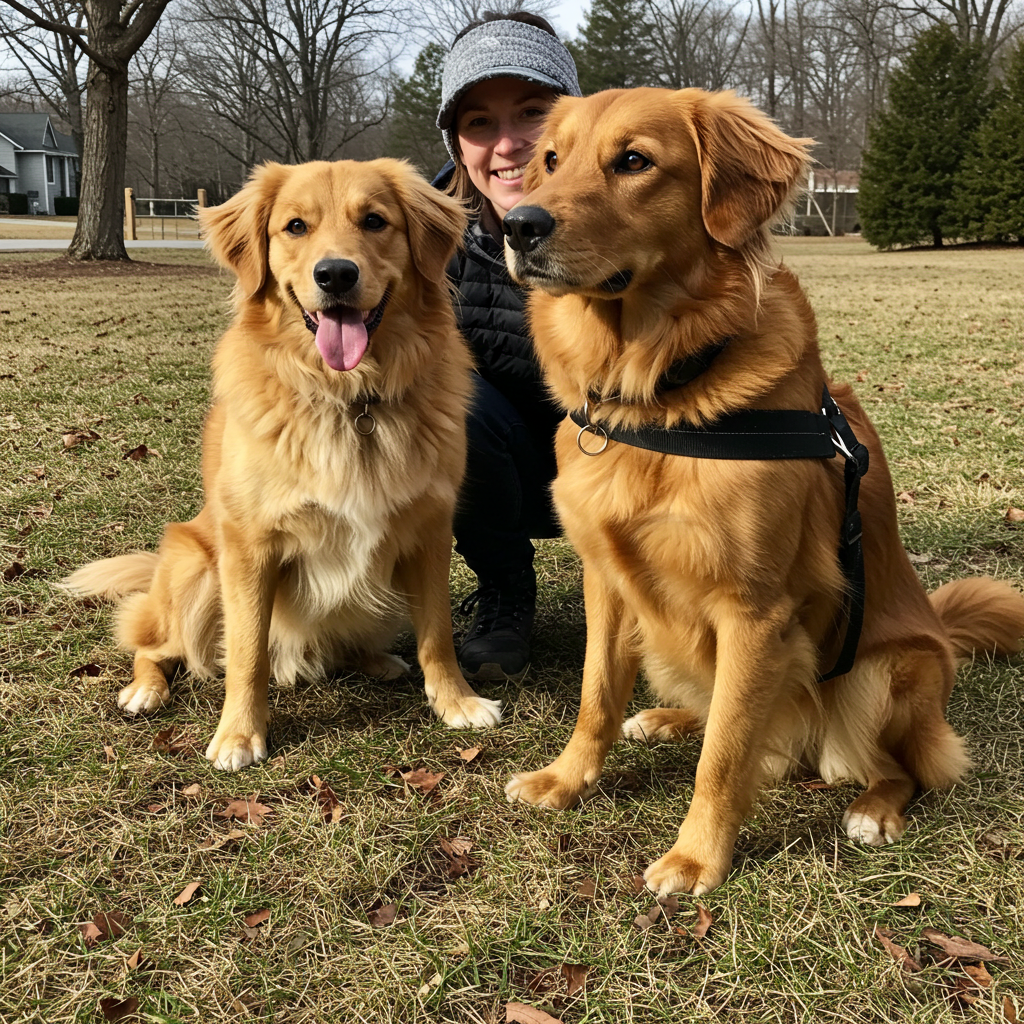
Essential Tips for Optimal Post-Operative Care
After your pet has undergone surgery, the path to recovery often hinges on the care they receive at home. A few key practices can significantly enhance the healing process. Below are some essential tips that every pet owner should consider, ensuring your furry family member feels as comfortable as possible during their recovery period.
Nutritional Adjustments
Diet plays a significant role in your pet’s recovery. A balanced diet that caters to their specific needs post-surgery can expedite healing. Depending on the type of procedure, your veterinarian may suggest a temporary switch in diet:
- Easily digestible meals: After surgery, pets often have sensitive stomachs. Opt for bland, low-fat cuisine such as boiled chicken and rice or specialized vet-endorsed recovery diets, which can support digestive health.
- Hydration is key: Ensure your pet remains well-hydrated; dehydration can slow recovery. Fresh water should always be available, and, if necessary, you might consider offering low-sodium broth to encourage fluid intake.
- Monitor portion sizes: While it can be tempting to offer treats during recovery, be mindful of their portion sizes. This helps prevent weight gain, which can add stress on the surgical site and slow the healing process.
Managing Activity Levels
Post-operative activity restrictions are essential to allow the surgical site to heal appropriately. Depending on the type of surgery performed, the recommendation might be for your pet to take it easy for several days or even weeks. Here are some strategies to help manage activity levels effectively:
- Leashed walks only: If your veterinarian advises a gradual return to exercise, make sure these walks are on a leash to prevent sudden bursts of energy that could place undue stress on your pet’s recovery.
- Create an obstacle-free environment: Keep your home free from items that might tempt your pet to jump or run. Furniture, stairs, or even tempting toys should be out of reach during this critical time.
- Engage in calm, gentle interactions: While it is important to keep your pet entertained, focus on low-energy play that doesn’t involve running or jumping. Interactive toys or puzzle feeders can provide stimulation without overexertion.
The importance of monitoring your pet’s recovery cannot be overstated. Frequent observation will help you note any changes in behavior, which can indicate discomfort or complications. By incorporating these tips into your post-operative routine, you can ensure that your pet receives the best care possible, thereby facilitating a smoother transition back to their playful self.
| Care Tips | Importance |
|---|---|
| Post-Surgery Monitoring | It’s vital to keep a close eye on your pet for signs of pain or abnormalities. |
| Provide a Comfortable Space | A calm, quiet environment accelerates healing and reduces stress. |
| Follow Dietary Instructions | Adhering to your vet’s dietary guidelines ensures proper recovery. |
| Limit Activity | Restricting movement prevents complications and promotes healing. |
After your pet’s surgery, the first few days are crucial for recovery. It’s essential to closely observe their behavior and bodily functions. Any unexpected changes might indicate complications, requiring immediate veterinary assistance. Equally important is the environment you provide; an adequate recovery space stripped of excessive noise and stress fosters quicker healing. Moreover, adherence to dietary instructions from your vet is critical, as the right food can significantly impact recovery time. You should also establish a schedule that limits their physical activity. Pets often feel well enough to resume their usual antics, but allowing them to engage in high-energy play too soon can result in setbacks.Adopting these tips guarantees a smoother recovery process for your furry friend and can minimize the risk of complications.
SEE ALSO: Click here to read another article
Maintaining Comfort and Hygiene
When caring for a pet post-surgery, maintaining their comfort and hygiene is paramount. These factors not only enhance their physical well-being but also contribute to a positive emotional state during recovery. Here are some tips to ensure your pet remains comfortable while healing:
Creating a Cozy Recovery Space
Designating a quiet, comfortable spot for your pet can make a significant difference in their recovery experience. Here are a few suggestions:
- Limit noise and distractions: Choose a location that is away from the hustle and bustle of daily life. This can encourage your pet to rest and recuperate without stress.
- Ensure proper bedding: A soft bed or blanket can provide the necessary comfort. Consider using an orthopedic pet bed if your pet is older or has specific joint issues.
- Temperature control: Maintain a comfortable temperature in your pet’s recovery area. If they are on pain medication, they may feel hotter than usual, so ensure they are neither too hot nor too cold.
Post-Operative Wound Care
Minimally invasive care for the surgical site is crucial for preventing infections and promoting healing:
- Follow veterinary guidelines: Adhere to the specific instructions provided by your veterinarian regarding cleaning and caring for the surgical site. This often includes keeping the area dry and clean.
- Prevent licking or biting: Using an Elizabethan collar (cone) may be necessary to prevent your pet from disturbing the surgical site. Ensure it fits properly, as discomfort can lead to additional stress.
- Watch for signs of infection: Look for redness, swelling, or discharge at the surgical site. If you notice any unusual changes, contact your veterinarian immediately.
Medications and Pain Management
Post-surgical pain management is essential for a smooth recovery. Many pets receive pain relief medication, and it is critical to follow the prescribed dosages:
- Understand the medications: Familiarize yourself with the medications provided, including their purpose and potential side effects. Don’t hesitate to ask your veterinarian if you’re unsure about any aspect.
- Monitor for side effects: Pay close attention to your pet’s reactions after administering medication. Some may experience nausea, lethargy, or unusual behavior. Report anything concerning to your veterinarian.
- Administer as directed: Ensure you follow the medication schedule closely to maintain effective pain management. Missing doses can lead to unnecessary discomfort for your pet.
Emotional Support and Reassurance
The emotional state of your pet during recovery can be just as important as their physical health. Engaging in soothing activities can help ease their anxiety:
- Stay close: Spend quality time with your pet. Your presence can provide comfort and security, helping them adjust to their post-surgery state.
- Gentle interaction: Soft speaking, light petting, and a calm demeanor can positively influence your pet’s recovery. This form of reassurance can greatly reduce stress.
- Monitor their behavior: Keep an eye on their mood and habits. Sudden changes in behavior can indicate pain or distress, motivating early intervention if needed.
By paying attention to these aspects of post-operative care, you enhance your pet’s chances for a smooth and successful recovery. After all, a well-cared-for pet is not only physically healthier but also happier during their healing process.
CHECK OUT: Click here to explore more
Conclusion
In summary, effective post-op pet care is crucial for ensuring your furry companion has a smooth and successful recovery after surgery. By focusing on comfort, proper wound care, and pain management, as well as providing adequate emotional support, pet owners can significantly enhance their pet’s healing experience. Creating a peaceful recovery environment, free from excessive noise or disturbance, can foster relaxation and reduce stress for your pet. Consider using a comfortable bed in a quiet area of your home, as well as familiar blankets or toys to provide a sense of security.
Monitoring the surgical site is a critical part of care. Keeping an eye out for signs of infection, such as redness, swelling, or discharge, can help catch potential issues early. It’s also vital to keep your pet from licking or biting the area, as this can lead to complications. Using an Elizabethan collar or other protective devices can help deter this behavior while allowing the site to heal. Additionally, following your veterinarian’s instructions meticulously, including any aftercare guidelines they provide, is essential for a successful recovery.
Furthermore, being attentive to your pet’s behavior and needs during this critical time can make a world of difference. Changes in appetite, energy levels, or bathroom habits may indicate discomfort or complications. Understanding the medications prescribed—such as pain relievers or antibiotics—and their potential side effects will empower pet owners to recognize when something might be amiss. For instance, some pets might experience mild side effects like drowsiness, while others may exhibit more serious reactions, necessitating immediate veterinary attention.
Ultimately, your love and reassurance can be just as vital as medical care during this period of recovery. Gentle petting, soothing words, and regular interaction can help bridge the emotional gap created by the surgery. Don’t hesitate to reach out to your veterinarian with questions or concerns—establishing a strong line of communication will help you navigate this journey together. By prioritizing these tips, you’re not only supporting your pet’s physical health but also contributing to their emotional well-being, fostering a happier and healthier companion. This comprehensive approach to post-operative care showcases that responsible pet ownership extends far beyond the surgery room.