Pet Oral Hygiene Best Techniques Products for Dogs and Cats
The Importance of Oral Hygiene for Your Pets
In the realm of pet care, oral hygiene often takes the backseat, yet it is a critical component of overall health for our four-legged friends. While many pet owners are diligent about feeding, grooming, and exercise, the condition of their pet’s teeth can go unnoticed. Just like humans, dogs and cats are susceptible to dental diseases such as gingivitis and periodontal disease, which can spiral into serious health concerns, affecting vital organs like the heart and kidneys if left unaddressed.
To promote good oral health, pet owners are encouraged to establish a routine that emphasizes brushing, utilizing dental treats, and ensuring regular veterinary check-ups. Here are some essential practices to help maintain your pet’s dental hygiene:
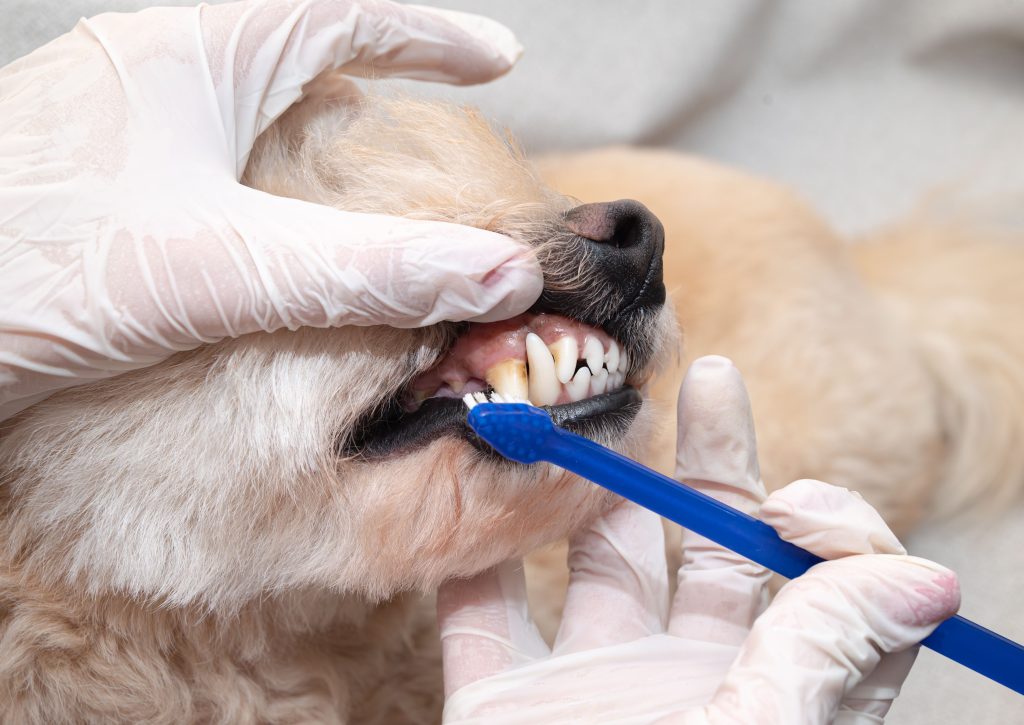
- Daily Brushing: Aim for daily brushing to prevent plaque buildup that can lead to tartar. Use a toothbrush specially designed for pets and toothpaste that is safe for them. Starting this routine early in your pet’s life can make them more accustomed to it.
- Dental Chews: Opt for chews that are recognized by veterinary dental associations. These can help reduce plaque and support gum health while giving your pet a tasty treat.
- Water Additives: Consider adding dental hygiene solutions to your pet’s water. These easy-to-use solutions can significantly reduce bad breath and help with bacteria control without requiring much effort on your part.
- Regular Vet Visits: Schedule bi-annual check-ups to ensure any potential dental issues are identified early. During these visits, your veterinarian can perform thorough dental cleanings and offer tailored advice based on your pet’s unique needs.
Beyond these basic techniques, the selection of the right products can enhance your efforts. From pet-safe toothpaste to advanced dental toys that clean teeth while your pet plays, numerous options are available. For instance, rubber toys with textured surfaces can provide mechanical cleaning action as dogs chew on them. Pet owners might also explore recommendations from their veterinarian for specific brands that have shown success.
Understanding these available tools can pave the way to healthier smiles and happier pets. A study published by the American Veterinary Dental College reveals that about 80% of dogs and 70% of cats show signs of dental disease by the age of three, underscoring the urgency to adopt preventive measures.
As we dive deeper into the best methods and products for maintaining your pets’ oral hygiene, you will find practical tips and recommended items that can make a significant difference. After all, a healthy mouth contributes to a happy and vibrant life for your furry companions.
SEE ALSO: Click here to read another article
Essential Techniques for Maintaining Pet Oral Hygiene
When it comes to ensuring the best oral health for your pets, specific techniques can make all the difference. Adopting a multi-faceted approach that combines daily care with specialized products is essential for preventing dental complications and promoting a healthier, happier pet.
Let’s explore some proven techniques that can aid in maintaining optimal oral hygiene for both dogs and cats:
- Choose the Right Toothbrush: Pet-specific toothbrushes are designed to accommodate the unique shape of your pet’s mouth. For small dogs and cats, finger brushes may provide greater control and comfort. Larger dogs might benefit from a toothbrush with a longer handle to reach those back teeth easily.
- Use Appropriate Toothpaste: It’s crucial to select a toothpaste specifically formulated for pets. Human toothpaste contains xylitol, which can be toxic to dogs and cats. Look for flavors such as poultry or beef to make brushing more enjoyable for your furry friend.
- Implement a Gradual Routine: If your pet is not accustomed to having their teeth brushed, take a gradual approach. Start by allowing them to taste the toothpaste, then slowly introduce the toothbrush. Initially, you might only brush one or two teeth to ease them into the process.
- Reward Your Pet: Positive reinforcement is vital. After each brushing session, reward your pet with praise or a favorite toy. This establishes a positive association with dental care, making them more likely to cooperate in the future.
- Utilize Dental Care Products: In addition to brushing, consider incorporating various dental care products into your routine. Dental gels, sprays, and wipes can assist in plaque control. Many of these products are formulated with enzymatic action that helps break down food particles and prevent bacteria formation.
- Take Advantage of Chew Toys: Specially designed chew toys not only satisfy your pet’s natural chewing instincts but also provide mechanical cleaning as they gnaw. Look for toys endorsed by veterinary dental associations for assurance of their effectiveness.
Beyond these daily techniques, regular supervision of your pet’s oral health is key. Keep an eye out for symptoms such as bad breath, swollen gums, or difficulty eating, which may indicate underlying dental issues. These signs should prompt an immediate veterinary consultation.
To supplement your dental care routine, numerous products are on the market tailored for pet oral hygiene. From effective dental wipes to high-quality water additives, various options cater to different needs and preferences. Exploring these products can complement your efforts significantly, improving your pet’s dental health while ensuring they remain comfortable and happy.
As you navigate the journey of maintaining your pet’s oral hygiene, remember that consistency is paramount. By committing to these techniques and leveraging appropriate products, you’re laying the groundwork for a robust dental routine that benefits your pets well into their golden years.
| Technique/Product | Advantages |
|---|---|
| Dental Chews | Promotes dental health while satisfying chewing instincts. These products can help reduce plaque and tartar buildup, keeping your pet’s teeth cleaner. |
| Water Additives | Easy to use and require no extra effort from you or your pet. Just add to your pet’s drinking water to help fight bad breath and oral bacteria. |
| Toothbrushes for Pets | Effective brushing aids in maintaining oral hygiene. Using the right size brush can make the process easier and more enjoyable for pets. |
| Dental Veterinary Visits | Professional cleaning ensures a thorough check-up and can prevent more serious dental issues in the future. Regular visits can catch problems early. |
Investing time in your pet’s oral hygiene can significantly improve their quality of life. The right products and practices not only help prevent dental disease but also enhance their overall health. Dogs and cats who maintain strong teeth and healthy gums often exhibit better behavior and fewer health issues, making it essential for every pet owner to embrace these techniques. Making oral care a regular part of your pet’s routine promises lasting benefits and will ensure more happy, playful moments together.
CHECK OUT: Click here to explore more
Understanding the Importance of Regular Dental Check-Ups
As important as your daily oral hygiene routine may be, the role of professional veterinary care in maintaining pet oral hygiene cannot be overstated. Regular dental check-ups typically include a thorough cleaning and examination by your veterinarian, which is essential for identifying any early signs of dental disease or other oral health issues.
Many pet owners may not realize that by the age of three, over 80% of dogs and 70% of cats exhibit signs of dental disease. This can range from mild gingivitis to severe periodontal disease, which can lead to painful infections and tooth loss. Regular dental appointments allow your veterinarian to perform professional cleanings that go beyond what can be achieved with routine home care, ensuring your pet’s oral health remains robust.
Innovative Products for Pet Dental Care
In addition to traditional cleaning techniques, innovative products are now available that can significantly enhance your pets’ oral hygiene routine. These products are specifically formulated to tackle the unique challenges of pet dental health.
- Dental Water Additives: These palatable liquids can be added to your pet’s drinking water, making it easier to promote oral hygiene without the hassle of brushing. Formulations often include ingredients that target plaque and tartar, promoting fresh breath and healthier gums.
- Dental Treats: Many brands produce dental chews specifically designed to reduce plaque and tartar build-up as your pet chews. Look for products formulated with added textures and shapes that help clean teeth mechanically while being safe for your pet to consume.
- Mouth Rinses: These sprays and rinses can be a great adjunct to brushing. Many veterinary-formulated rinses contain antibacterial properties that help control plaque development, making them an excellent option for pets resistant to traditional brushing methods.
- Enzymatic Gels: These gels can be applied directly to your pet’s teeth and help break down plaque and calculus over time. Regular use can improve your pet’s gum health and reduce the frequency of professional cleanings.
Recognizing the Signs of Dental Health Issues
Your observance of your pet’s behaviors and oral health can greatly influence their quality of life. Regularly inspect your pet’s mouth for signs of dental issues, including:
- Bad Breath: While it’s common for pets to have some odor, excessively foul breath can be a sign of dental disease or other health problems.
- Swollen Gums or Bleeding: Healthy gums are a vibrant pink color. Any swelling or bleeding is a red flag that warrants an immediate veterinary evaluation.
- Changes in Eating Habits: If your pet shows reluctance to eat or plays with their food instead of eating it, this could indicate dental pain.
- Excessive Drooling: Increased saliva production may be a sign of oral discomfort or an underlying health issue.
Consider setting reminders for regular dental check-ups and integrating quality dental products into your routine. More than just aesthetics, optimal dental hygiene can extend your pet’s life and improve their overall well-being. Keeping your pet’s oral health in check will allow you to enjoy many more happy moments together.
CHECK OUT: Click here to explore more
Conclusion: Prioritizing Pet Oral Hygiene for a Healthier Life
In conclusion, maintaining optimal pet oral hygiene is a crucial yet often underestimated aspect of responsible pet ownership. Implementing a balanced regimen that combines regular brushing, the use of innovative products, and routine veterinary check-ups creates a comprehensive approach to combat dental diseases that can affect both dogs and cats. With over 80% of dogs and 70% of cats showcasing signs of dental issues by age three, awareness and proactivity in oral care can significantly impact the lifespan and quality of life of our furry companions.
Moreover, embracing products such as dental treats, dental water additives, and enzymatic gels not only simplifies the maintenance routine but also engages pets in a way that traditional brushing might not. These advancements in pet dental care provide alternatives that harmonize with your pet’s lifestyle and preferences, helping to ensure their teeth and gums are kept in the best possible condition.
As you integrate these techniques into your daily routine, keep a vigilant eye for any signs of dental distress, such as bad breath or changes in eating habits. Remember, the earlier you can spot potential issues, the better the outcome for your pet’s overall health. Taking the time to prioritize pet oral hygiene ensures that your furry friends enjoy many more years filled with vitality and joy by your side. Equip yourself with knowledge and the right products, and embark on this journey to create a healthier, happier life for your beloved pets.