Paw Pad Nail Care Preventing Cuts Cracks Injuries
Paw Pad and Nail Health: A Vital Component of Pet Care
Your pet’s paws are often taken for granted, but they serve as the foundation for your furry friend’s mobility and overall quality of life. Routine paw pad nail care goes beyond keeping things looking tidy; it plays a crucial role in safeguarding against injuries that can arise from daily activities. Neglecting this aspect of pet care can lead to complications that affect not only your pet’s health but also their happiness.
Consider the unyielding nature of the environments your pet navigates daily. Whether it’s the scorching pavement in the summer or icy sidewalks in the winter, your pet’s paws are subjected to challenges that can result in various ailments if proper care is not taken. Here are compelling reasons why maintaining your pet’s paw pads and nails is indispensable:
- Prevention of Infections: Less visible yet highly concerning are the minor cuts and cracks that can become gateways for harmful bacteria. An outdoor romp through the park may lead to a scratch that, if unnoticed, invites infection which could necessitate costly vet visits.
- Enhanced Comfort: Just as we rely on comfortable shoes, our pets need healthy pads to ensure an enjoyable walking experience. A well-maintained pad cushions each step, reducing the chance of fatigue and soreness.
- Avoiding Pain: Injuries such as torn nails or raw pads can lead to limping, which may cut short your outdoor adventures together. For many pets, these injuries can result in long-term behavioral changes, such as avoiding activities they once enjoyed.
Surprisingly, many pet owners in the United States overlook the importance of this facet of pet care. In fact, a recent survey indicated that nearly 70% of pet owners do not regularly check their pets’ paws. This statistic raises important questions about pet health awareness, especially as recreational activities that expose pets to hazards increase.
To further enhance your knowledge, it is essential to recognize the signs of paw pad distress. Look for symptoms like excessive licking, limping, or visible injuries; these could indicate that your pet needs immediate attention. Additionally, understanding how to conduct regular checks of both pads and nails, along with effective grooming techniques, will empower you to take proactive measures.
In the following sections, we will delve into practical strategies for multitasking in your pet’s paw care routine, from safe nail trimming practices to easy-to-implement protective measures during outdoor excursions. By equipping yourself with this knowledge, you can greatly improve your pet’s overall well-being and prevent minor issues from escalating into serious health concerns. Join us as we explore the nuances of keeping your beloved companion’s paws in pristine condition.
SEE ALSO: Click here to read another article
Understanding the Importance of Regular Paw Pad and Nail Inspections
To ensure the optimal health of your pet, it’s crucial to recognize that paw pad and nail care is not merely a cosmetic issue; rather, it is an essential aspect of their physical well-being. The health of your pet’s paws can greatly affect their overall quality of life, influencing their mobility, happiness, and activity levels. Regular inspections and maintenance can prevent minor issues from snowballing into major complications.
When examining your pet’s paw pads and nails, there are several key areas to focus on:
- Pad Integrity: Healthy paw pads should be smooth and resilient. Look for cracks, dry patches, or any signs of swelling. Excessive roughness may indicate a need for moisturization, while deep fissures can lead to painful injuries.
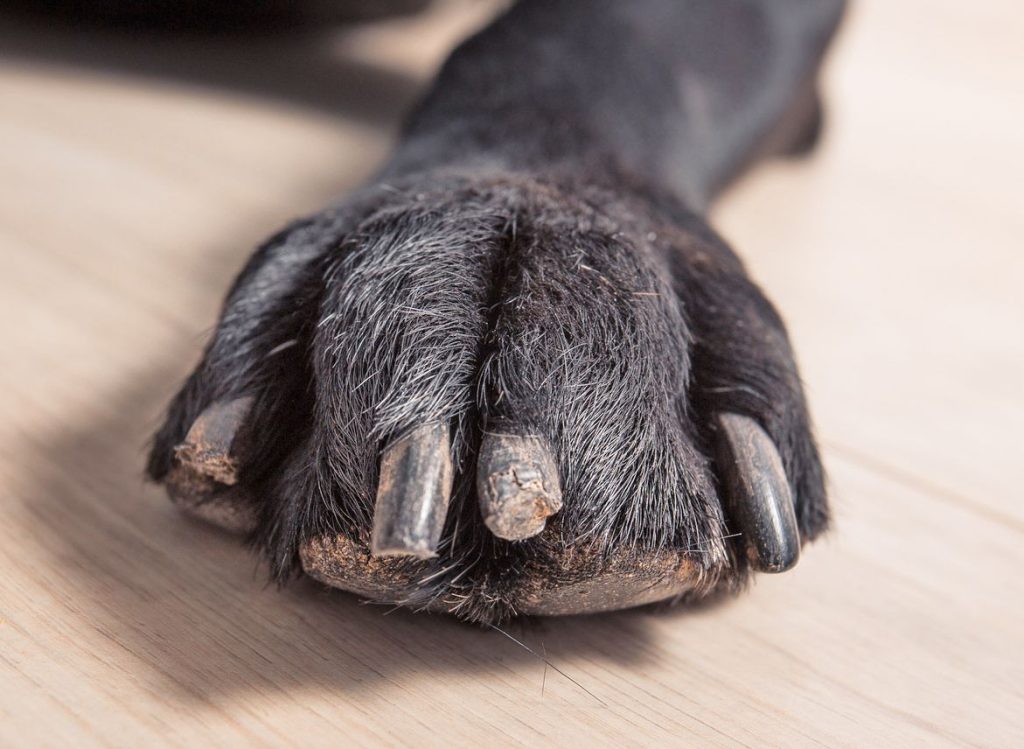
- Nail Length: Keeping nails trimmed is not just about aesthetics; it prevents snags and breakage that can lead to bleeding and pain. Overgrown nails can alter the way your pet walks and may contribute to injuries down the line.
- Color and Temperature: Observe the color of your pet’s paw pads. Unusual discoloration or warmth could be signs of infection or other health issues. Compare the temperature of the pads to the rest of their body, as significant discrepancies may warrant a veterinarian’s attention.
Furthermore, seasonal variations present unique challenges to paw care. During hot summer months, surfaces like asphalt can burn delicate pads, while the cold and ice of winter can lead to cracking and frostbite. Protective booties or paw balms can be excellent preventative measures to shield your pet’s paws from harsh elements. Also, it’s essential to rinse their paws after outdoor excursions to eliminate any irritants such as rock salt, chemicals, or dirt that can cause distress.
Research indicates that about 80% of dogs will experience at least one paw-related issue in their lifetime. These issues can vary from minor irritations to severe injuries. Thus, fostering a routine check-up of your pet’s paws can save you from potential vet visits or, worse, long-term health issues. Early detection of problems often leads to more straightforward treatments and improved outcomes for your beloved animal.
Moreover, educating yourself about the most common paw pad and nail injuries can equip you with the knowledge to help your pet steer clear of harm. Some prevalent injuries include:
- Torn Nails: Often caused by running on rough terrain or getting caught on objects, these injuries can be painful and require immediate attention.
- Cuts and Scrapes: Sharp debris such as glass or thorns can inflict deep cuts that will necessitate veterinary care if not treated promptly.
- Paw Pad Burns: Overheating can lead to burns, particularly in dogs engaging in extended outdoor activities without appropriate protection.
By familiarizing yourself with these potential dangers, you can instill proactive strategies to avoid them. Incorporating regular paw checks into your pet’s grooming routine not only protects their physical health but also strengthens your bond with them, as they come to associate grooming time with love and care.
| Category | Description |
|---|---|
| Prevention of Pain | Paw pad nail care helps eliminate potential pain caused by jagged edges and cracks that can develop over time. |
| Enhanced Mobility | Maintaining nail health encourages dogs to move comfortably, preventing limpness and enhancing their ability to play and exercise. |
| Aesthetic Appearance | Well-groomed paws provide a neat look, reflecting good care and overall pet health, while also facilitating bonding moments during grooming sessions. |
| Protection Against Injuries | Regular nail trimming decreases the risk of snags, splits, and infections, safeguarding your pet’s feet during play and daily activities. |
Proper care of your pet’s nails and paw pads is essential to their overall well-being. Understanding the importance of paw pad nail care ensures that you not only prevent cuts, cracks, and injuries but also promote a healthier lifestyle for your furry friends. Through regular maintenance, you contribute significantly to their happiness and vitality. With this comprehensive approach, you’re investing in the long-term health of your beloved pets, fostering a happier, more active life together.
SEE ALSO: Click here to read another article
Effective Strategies for Paw Pad and Nail Care
Preventing cuts, cracks, and injuries to your pet’s paws and nails starts with understanding the right care practices. These strategies not only promote their foot health but also enhance their overall wellness, ensuring your furry friends are as active and cheerful as they can be.
Firstly, regular trimming of your pet’s nails is vital. Many pet owners may wonder how often they should trim their dog’s nails. Ideally, you should seek to trim nails every 3 to 4 weeks, based on your pet’s activity level and growth rate. Overgrown nails not only pose a risk of injury but can lead to painful conditions such as nail bed infections. If you’re unfamiliar with nail clipping, consider consulting a professional groomer or veterinarian to demonstrate the proper technique, ensuring safe and effective trimming.
In addition to nail care, maintaining your pet’s paw pads is equally crucial. Applying a paw balm can provide a protective layer against harsh conditions. Look for balms that contain natural ingredients, such as beeswax and shea butter, which not only soothe dry and cracked pads but also create a barrier against rough terrain. Ensuring your pet’s paws are moisturized can significantly reduce the risks of cuts and abrasions.
Moreover, it’s essential to select appropriate footwear for your pet. While some may be skeptical about putting booties on their dog, these articles can offer significant protection from environmental hazards. Whether it’s rocky trails, hot pavement, or icy sidewalks, dog booties can shield vulnerable paw pads, providing both traction and comfort. For initial wear, let your dog acclimatize slowly by allowing them to wear booties indoors, gradually progressing to outdoor use.
Furthermore, being mindful of the surfaces your pet interacts with is an added layer to injury prevention. Be cautious when letting pets roam on synthetic grass, gravel, or highly abrasive materials, which can exacerbate wear on their pads. Additionally, monitoring your pet during outdoor adventures is critical; not only can they encounter hidden dangers like sharp objects, but they can also develop foot fatigue. Regular breaks during hikes or runs allow their paws to rest and can help prevent issues like soreness and blistering.
An often overlooked factor is hydration and diet. A well-balanced diet that includes nutrients vital for skin and coat health, such as omega fatty acids, can impact paw pad integrity. Along with staying hydrated, a diet rich in antioxidants can support your pet’s immune system, aiding their bodies in healing and recovery from any minor abrasions or injuries.
Lastly, be wary of any behavioral changes in your pet that might indicate discomfort. Limping, excessive licking of the paws, or avoiding certain surfaces during walks can signal underlying issues. Regularly consulting with your veterinarian about your pet’s paw health will help identify potential problems early and establish a preventative care plan tailored to their specific needs.
With dedicated attention to your pet’s paw pad and nail care through these practical strategies, you can significantly minimize the risk of injury. By fostering an environment focused on prevention and care, you help ensure that your beloved companions lead happy, healthy lives, ready to embark on every adventure with you.
SEE ALSO: Click here to read another article
Conclusion: Prioritizing Paw Pad and Nail Health
In summary, ensuring robust paw pad and nail health for your pet is an essential part of responsible pet ownership. The implications of neglecting these aspects go beyond mere aesthetics; they can significantly impact your furry friend’s mobility, comfort, and overall well-being. By adopting effective care strategies—such as regular nail trimming, applying protective paw balm, investing in quality footwear, and maintaining a nutritious diet—you set the stage for a lifetime of healthy paws and nails.
Moreover, staying vigilant about your pet’s behaviors and environmental hazards can prevent potential injuries. Observing changes in their movement or habits may serve as crucial early warnings of underlying issues. Regular consultations with your veterinarian can facilitate a tailored approach to your pet’s unique needs, allowing for the early identification of concerns and the creation of a comprehensive care plan.
As you look out for your pet’s well-being, remember that prevention is always better than treatment. By integrating these proactive measures, you empower your pet to enjoy their adventures free from the pain of cuts, cracks, and injuries. Ultimately, ensuring great paw pad and nail care means providing your companion with a healthier, happier life—one paw step at a time. So next time you lace up for a walk, take a moment to ensure your pet’s paws are ready to hit the trail without a worry.