How to Build a Pet First Aid Kit at Home Step-by-Step Guide
Understanding the Importance of a Pet First Aid Kit
As pet owners, ensuring the safety and well-being of our beloved companions is paramount. With countless variables in both their environment and behavior, accidents are an unfortunate reality. A well-prepared pet first aid kit can serve as a crucial lifeline during these emergencies, providing immediate care and ensuring that your furry friend receives the attention they need until veterinary assistance is available.
Essential Items for Your Pet First Aid Kit
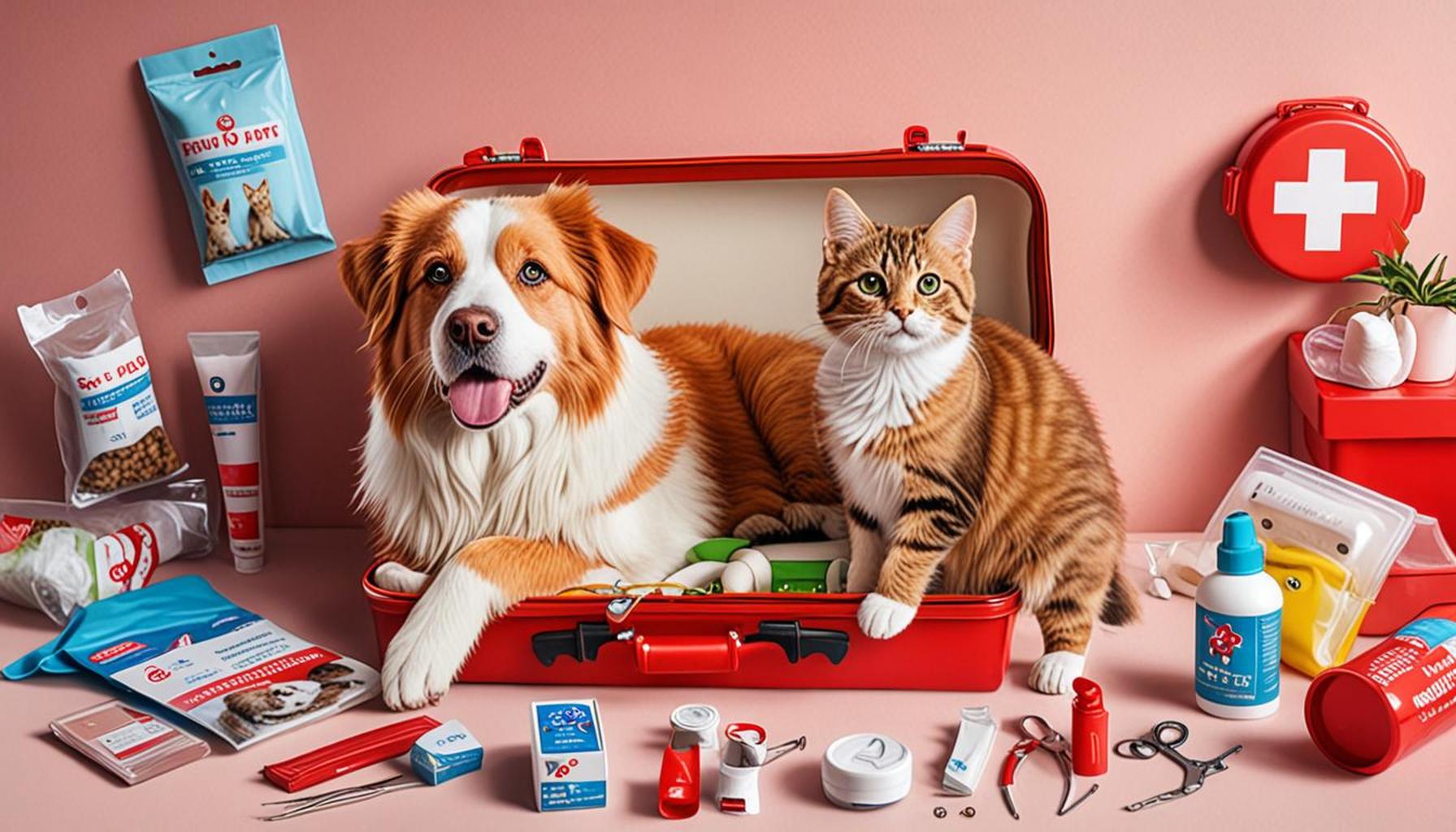
When curating your first aid kit, consider including a variety of supplies that address common injuries and health concerns for pets. Here are some essential items to include:
- Bandages and gauze pads – These are vital for treating cuts and scrapes. For severe wounds, it’s important to apply a sterile dressing and secure it with tape to prevent further injury.
- Antiseptic wipes – Ideal for cleaning injuries to prevent infection. Opt for pet-safe options to ensure they won’t harm your animal.
- Pet thermometer – A normal temperature range for dogs is between 101°F to 102.5°F, while cats typically range from 100.5°F to 102.5°F. Knowing how to take your pet’s temperature can help you monitor their health more effectively.
- Hydrogen peroxide – This can be used for inducing vomiting in cases of ingestion of certain toxins, but always consult with a veterinarian before doing so to confirm safety for your specific pet.
- Disposable gloves – Wearing gloves during treatment maintains hygiene and prevents transmission of bacteria or diseases between you and your pet.
Building Your Kit Step-by-Step
Creating a pet first aid kit is not just a matter of gathering supplies; it’s about being knowledgeable about how to use them. Additionally, having a guidebook on pet first aid can offer valuable information during emergencies. Consider also including a list of local emergency veterinary clinics, as well as the contact information for your regular veterinarian. Having a plan and knowing where to go in an emergency can drastically reduce response times.
Empower Yourself and Protect Your Pets
By assembling a comprehensive first aid kit and familiarizing yourself with its contents, you position yourself to act quickly and effectively in times of crisis. This preparedness can decrease stress and ensure that your pet remains safe, healthy, and happy, even when unforeseen circumstances arise.
Stay engaged as we delve into the specifics of assembling and maintaining your pet first aid kit. By being proactive, you can transform emergency situations into manageable events, enhancing the bond you share with your animal companions while safeguarding their well-being.
SEE ALSO: Click here to read another article
Step 1: Identify Your Pet’s Specific Needs
Before you dive into assembling your pet first aid kit, it’s essential to assess your pet’s unique health requirements and lifestyle. Different pets have varying risks based on their species, breed, size, and activity level. For instance, a high-energy dog may be more prone to cuts and scrapes from running in the woods, while a curious cat may need specific items to address potential poisoning from houseplants or household chemicals. Understanding these nuances enables you to select supplies that are most relevant for your furry companion’s potential emergencies.
Consult with Your Veterinarian
One of the best ways to ensure you’re prepared is to have a detailed conversation with your veterinarian. They can offer insights into what common health issues your pet might face and suggest items tailored to their needs. This conversation can cover:
- Family History of Health Concerns – Some breeds come with genetic predispositions to certain conditions, such as hip dysplasia or skin issues.
- Allergies and Sensitivities – Knowing your pet’s allergies can prevent adverse reactions to certain medical supplies or treatments.
- Common Ailments in Your Area – Local wildlife and environmental conditions can contribute to health risks. For example, tick prevention measures may be crucial in certain regions during warmer months.
Step 2: Selecting the Right Container
Once you’ve identified the key items your pet first aid kit needs, the next step is to choose an appropriate container. A sturdy, waterproof box or bag is ideal for keeping your supplies organized and accessible. Consider the following factors when selecting your kit’s container:
- Portability – You may need to move your kit during travel or emergencies, so choose something lightweight yet durable.
- Size – Ensure it’s large enough to accommodate all your chosen supplies without being bulky.
- Labeling – Clearly label the container as a pet first aid kit so it can be easily identified in stressful situations.
Step 3: Stocking Your Kit with Essentials
After determining the specific needs of your pet and selecting the right container, it’s time to start stocking your pet first aid kit. Begin with the essentials and then customize your kit as needed. Items such as the following are crucial to include:
- Self-adhesive bandages – These can be invaluable for wrapping minor wounds without needing tape.
- Scissors and tweezers – These tools can help efficiently remove splinters, ticks, or even cut bandages to the right size.
- Emergency contact information – A list of important contacts, including your regular veterinarian and nearest emergency clinic, is essential for quick access in times of distress.
By thoroughly assessing your pet’s needs, selecting the right container, and stocking your kit with essential items, you’re setting the stage for effective first aid. This preparation can save crucial time when emergencies arise, making a world of difference for your beloved pet.
Essential Components of a Pet First Aid Kit
When assembling a pet first aid kit, it’s crucial to consider the specific needs of your furry friend, as well as the potential medical emergencies they may face. Below is a detailed list of essential components to include, ensuring that you’re prepared for various situations.
| Category | Details |
|---|---|
| Basic Supplies | Include items like gauze, bandages, and adhesive tape to treat wounds effectively. |
| Medications | Consult your veterinarian for appropriate medications such as pain relievers or antihistamines to have on hand. |
| Emergency Instructions | Have a list of contact information for your vet and local emergency animal hospitals. |
| Thermometer | A digital thermometer to check your pet’s temperature, which can indicate illness. |
Step-by-Step Assembly of Your Kit
1. **Select a container:** Choose a sturdy, waterproof container to hold all items securely. A duffel bag or a plastic storage box works well.2. **Gather supplies:** Collect all the basic supplies and medications discussed previously. 3. **Label the contents:** Clearly label each item so you can quickly find what you need during an emergency.4. **Store in a safe location:** Keep your kit in an easily accessible area, away from pets to prevent unwanted access.These steps will ensure you have a comprehensive pet first aid kit ready at home. Not only does this prepare you for potential injuries, but it also offers peace of mind as a responsible pet owner. Being prepared can greatly influence the health and safety of your beloved pet during unforeseen circumstances.
CHECK OUT: Click here to explore more
Step 4: Including Important Medical Supplies
With the basics in place, it’s time to delve deeper into your pet first aid kit by including crucial medical supplies that can be lifesavers in various scenarios. These items are instrumental in stabilizing your pet’s condition until professional help is reached. Here are some key supplies you should consider:
- antiseptic wipes or solution – Essential for cleaning wounds to prevent infections. Choose pet-safe antiseptics to ensure safe use on your furry friend.
- gauze pads and rolls – These come in handy for dressing wounds and controlling bleeding. It’s always good practice to keep sterile supplies on hand.
- a digital thermometer – Monitoring your pet’s temperature can provide vital information when assessing their health status. The normal range for dogs and cats is typically between 100.5°F and 102.5°F.
- adhesive tape – Useful for securing gauze to wounds, making sure it stays in place during minor emergencies.
- a muzzle – Depending on your pet’s temperament, a muzzle can be crucial during distressing situations to prevent biting – even pets that are usually docile may react unpredictably when in pain.
Step 5: Adding Natural Remedies and Additional Treatments
Beyond conventional medical supplies, many pet owners are turning to natural remedies as a complementary approach in animal care. Including safe, pet-friendly natural treatments in your kit can provide holistic support during minor emergencies. Consider adding:
- Calendula ointment – Known for its healing properties, this can soothe wounds and help with skin irritations.
- Lavender oil – A few drops applied to a bandage can help calm nervous pets during stressful situations.
- Apple cider vinegar – A diluted solution can be used to clean minor cuts and as a natural flea repellent.
While natural remedies can be effective, it’s essential to consult with a veterinarian about their safe usage. They can help tailor the right homeopathic applications for your pet’s specific needs.
Step 6: Creating an Emergency Action Plan
Having a well-stocked pet first aid kit is only part of being prepared; an effective emergency action plan is vital. This ensures that you respond quickly and appropriately during a crisis. Here are essential components to help you formulate an actionable plan:
- Designate Responsibilities – Ensure that all family members know who will handle what in case of an emergency. This clarity can enhance your pet’s care during stressful situations.
- First Aid Training – Consider enrolling yourself in a pet first aid and CPR class. Learning to perform effective first aid techniques can be critical during severe emergencies.
- Regular Kit Checks – Schedule bi-annual checks on your kit’s contents to replace expired medications and replenish supplies. This routine maintenance is essential to ensure readiness when emergencies arise.
By assembling essential medical supplies, integrating natural remedies, and creating a comprehensive emergency action plan, you are reinforcing your commitment to your pet’s safety and well-being. This proactive approach equips you with the tools and knowledge to handle any situation that may come your way.
SEE ALSO: Click here to read another article
Conclusion: Prioritizing Your Pet’s Safety with a Well-Prepared First Aid Kit
In closing, the journey to creating a comprehensive pet first aid kit is not just a precaution—it’s a vital investment in your furry companion’s health and safety. By systematically gathering essential supplies, incorporating natural remedies, and formulating an emergency action plan, you equip yourself to respond swiftly and effectively in crises that can arise unexpectedly at any moment.
Beyond assembling the appropriate items, it’s crucial to remain proactive and educated. Regularly updating your kit, familiarizing yourself with first aid techniques through courses, and staying informed about your pet’s unique health needs will transform your preparedness from mere routine into a genuine commitment to their well-being. Remember, receiving guidance from a veterinarian can enhance your understanding of which treatments are safe and effective for your specific pet.
Whether it’s a scraped paw pad or a more serious incident, being prepared instills confidence in your ability to protect your beloved pet. As you embark on this undertaking, consider that each step you take today can make a difference in your pet’s life when it matters most. By embracing the principles outlined in this step-by-step guide, you’re not just creating a first aid kit; you’re forging a stronger bond of care and responsibility with your cherished companion.