
Hot Weather Pet Care Preventing Heatstroke and Burns

The Dangers of Summer Heat
As the summer sun beats down, pet owners must become vigilant guardians against heat-related illnesses that can afflict their furry companions. In particular, heatstroke and skin burns present serious dangers, underscoring the need for heightened awareness and proactive behaviors. Understanding how to effectively protect pets from extreme temperatures should be a top priority for anyone with four-legged family members.
Recognizing Symptoms of Heatstroke
It is crucial to recognize the early signs of heatstroke. Pets may display symptoms such as excessive panting, drooling, weakness, and confusion. These signs can escalate quickly to more severe issues like seizures or even death if not addressed immediately. For instance, if you notice your dog panting heavily after only a short walk, it may be time to rest in a shaded area and provide water. Vigilance is key; don’t wait for symptoms to worsen before taking action.
Identifying Risk Factors
Not all pets are equally susceptible to the rigors of high temperatures. Long-haired breeds, such as Golden Retrievers or Siberian Huskies, may struggle more than short-haired breeds during the sweltering months. Additionally, older pets or those with pre-existing health conditions like heart disease are at an increased risk for heat-related issues. Understanding these factors allows pet owners to adjust care accordingly, such as scheduling walks at cooler times of day or considering a visit to the vet for additional guidance.
Preventive Measures for Pet Safety
Preventive actions can drastically reduce the likelihood of heat-related emergencies. Always provide shade and access to fresh water at all times, particularly if your pet is outside. Simple measures like creating a shaded area with a canopy or umbrella can make a world of difference. Also, be wary of outdoor activities: avoid strenuous exercise during peak heat hours. Early morning or late evening walks are ideal times for exercise, ensuring that your pet does not overheat during the hottest parts of the day.
Understanding Hidden Dangers
It’s vital to recognize that hazards lurk beyond just the heat itself. Surprisingly, pavement can reach temperatures capable of burning your pet’s paw pads. On hot summer days, asphalt can reach up to 140°F; this can lead to serious injuries. To gauge whether pavement is safe, a simple test is to touch it for a few seconds; if it’s too hot for your hand, it’s too hot for your pet’s feet. Awareness of these hidden dangers empowers pet owners to protect their furry friends effectively.
Conclusion: Take Action to Protect Your Pets
By implementing informed strategies, pet owners can dramatically reduce the risk of heat-related emergencies. Recognizing symptoms, understanding individual risks, and taking preventive measures are all vital components of summer pet care. Through these proactive steps, you ensure that your pets remain healthy and happy throughout the summer months. Don’t leave their safety to chance; let’s take decisive action to safeguard them against the relentless heat.
CHECK OUT: Click here to explore more
Understanding Heatstroke and Its Consequences
Heatstroke can be a silent but deadly condition that sneaks up on both pets and their owners during hot weather. Unlike humans, who can sweat and regulate their body temperature, our furry companions depend on panting and seeking shade to cool down. When these natural mechanisms fail, the repercussions can be severe, leading to damage to internal organs, brain dysfunction, and in extreme cases, death. Hence, understanding heatstroke prevention is paramount for every pet owner.
Common Situations That Lead to Heatstroke
The risk of heatstroke often escalates in specific situations, making awareness critical in preventing emergencies. Here are some frequent scenarios that could increase the risk:
- Leaving Pets in Vehicles: Even on mild days, the temperature inside a parked car can rise rapidly, posing a significant threat. A car’s interior can reach over 100°F within minutes, potentially leading to heatstroke.
- Intense Exercise: Engaging in vigorous activities during peak sun hours, especially for breeds predisposed to overheating, can increase the likelihood of heat-related illnesses. Opting for short play sessions instead of long runs can help mitigate this risk.
- Neglecting Hydration: Dehydration is a precursor to heatstroke. Always ensure that fresh water is readily available before going outdoors, especially during summer outings.
Monitoring Temperature and Humidity
In addition to awareness of specific risks, monitoring environmental conditions can also play a pivotal role in preventing heatstroke or burns. Temperature and humidity levels significantly impact a pet’s ability to cool down. For instance, on a hot day with high humidity, even a moderate temperature can lead to distress. Consider using weather apps or local forecasts to check conditions before engaging in outdoor activities with your pet.
Creating a Safe Outdoor Environment
Taking steps to ensure a comfortable and safe outdoor space for your pets is essential. Setting up shaded areas in your backyard using canopies, tarps, or natural shade from trees can provide relief from the sun. Additionally, consider providing cooling mats or doghouses that are well-ventilated to help regulate their body temperature. These small adjustments not only enhance your pet’s comfort but also contribute significantly to their overall safety during summer months.
Temperature Awareness: A Key to Prevention
In summary, being vigilant about the temperatures your pets are exposed to is indispensable. As a general guideline, if the temperature exceeds 85°F, it’s wise to limit outdoor activities and implement measures to keep your pet cool. Recognizing the symptoms and situational risks associated with heatstroke are integral parts of pet care that can save lives. Always stay alert, be prepared, and actively take steps to protect your furry family members during hot weather.
| Advantage | Details |
|---|---|
| Prevention of Heatstroke | Keeping pets hydrated and cool reduces the risk of heatstroke, which can be life-threatening. |
| Protection Against Burns | Ensuring pets do not walk on hot surfaces prevents burns on paws, ensuring their comfort and safety. |
| Increased Energy Levels | Proper care during hot weather can lead to more energetic and happier pets, enhancing their overall well-being. |
| Educated Pet Owners | Pet owners who understand heat concerns are better prepared to act swiftly and responsibly, improving pet safety. |
In the heat of summer, understanding how to care for pets becomes essential. Recognizing the signs of heat-related distress can save lives. Regularly checking the ground temperature before walks and providing shaded areas for outdoor play is integral. Furthermore, educating oneself about the symptoms of heat exhaustion can enable quick action if a pet shows signs of struggle, significantly improving chances for recovery. By taking proactive measures, pet owners not only protect their furry friends from immediate dangers but also foster an environment where pets thrive, even in the hottest months. Adjusting walk times and ensuring adequate hydration are fundamental steps that can lead to a healthier, happier pet during those scorching days.
CHECK OUT: Click here to explore more
Recognizing Symptoms of Heat-Related Illnesses
Being proactive means not just preventing heatstroke and burns but also recognizing the warning signs that indicate your pet is in distress. Pets can’t verbally communicate when they’re feeling unwell, so it is up to owners to be observant. Common symptoms of heat-related illnesses include:
- Excessive Panting: If your pet is panting more than usual, especially in a resting state, it could indicate overheating.
- Rapid Heartbeat: Elevated heart rates are common in overheated pets. You can check this by placing your hand over their chest.
- Weakness or Lethargy: A sudden lack of energy or unwillingness to move can be alarming signs.
- Vomiting or Diarrhea: Both can be symptoms of heat distress and may lead to dehydration.
- Unsteady Gait: If your pet appears disoriented or is stumbling, immediate action must be taken.
In the event you observe any of these symptoms, it’s crucial to act swiftly to cool your pet down. Move them to a shaded area or indoors and apply cool, wet cloths to their body. Never use ice, as it can constrict blood vessels, hindering the cooling process. Additionally, always consult your veterinarian for expert advice and treatment options if you suspect heatstroke.
Adjusting Activities for Hot Weather
Adapting your pet’s daily routine can greatly reduce the risks of heat-related incidents. Planning walks during the cooler times of day, such as early morning or late evening, can ensure your pet remains safe while getting their exercise. Consider engaging in calmer activities like indoor games or training sessions during peak temperatures.
Short, frequent play sessions are preferable to long outings, especially for breeds with higher risks of overheating, such as Bulldogs, Pugs, and other brachycephalic breeds. Regularly checking the pavement temperature is also advisable; if it’s too hot for your hand, it’s too hot for your pet’s paws. Dog booties or paw wax can help protect their feet from burning on scorching surfaces.
Hydration: Your Pet’s Best Friend
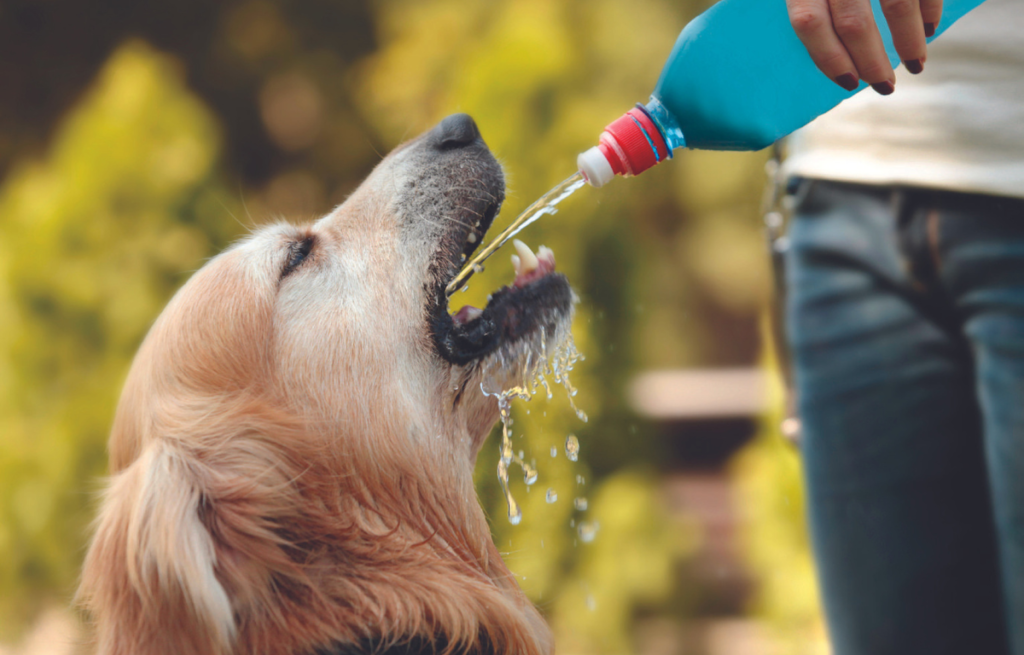
Proper hydration is vital for regulating body temperature and preventing heatstroke. It’s essential to provide plenty of fresh, cool water at all times, especially during outdoor activities. Interactive water toys or pet fountains can encourage your pet to drink more water. In addition, you can offer ice cubes or frozen treats made from pet-safe ingredients on particularly hot days; this will help keep them hydrated and entertained.
Monitor your pet’s water intake, ensuring that they drink regularly. If your pet refuses to drink, try adding some low-sodium broth to their water or consider providing ice chips as an alternative. Always prioritize drinking water, as even mild dehydration can impact your pet’s overall well-being.
Understanding Your Pet’s Breed Needs
It is essential to recognize that different dog breeds have varying tolerances to heat. More athletic breeds, such as Labrador Retrievers and German Shepherds, might handle the heat differently compared to smaller or brachycephalic breeds. For instance, short-nosed breeds like Bulldogs and French Bulldogs are at an increased risk for developing heatstroke due to their unique physiology, which impairs their ability to pant effectively. Researching your pet’s breed-specific needs will help you care for them effectively during the hot months.
In addition to breed considerations, factors such as age and underlying health conditions play a role in how your pet copes with the heat. Young pets and elderly animals may require extra precautions to keep them cool and safe during hotter days.
CHECK OUT: Click here to explore more
Conclusion
As temperatures rise, the responsibility lies with pet owners to ensure their furry companions remain safe and well-cared for during hot weather. Understanding the specific needs of your pet, including breed characteristics and their individual tolerance to heat, is vital for preventing heat-related illnesses, such as heatstroke and burns. By implementing simple strategies like adjusting activity levels, ensuring hydration, and recognizing warning signs, you can significantly reduce your pet’s risk of distress.
Additionally, being proactive in monitoring your pet’s behavior and environment can make all the difference. From opting for early morning or late evening walks to providing plenty of fresh water and safe indoor alternatives, each small change plays a critical role in protecting your beloved pet from the heat. Remember that even seemingly benign situations, such as a few minutes in a hot car or walking on scorching pavement, can pose serious threats.
Ultimately, being informed and prepared will not only enhance your pet’s summer experience but also ensure their health and safety. Regular veterinary check-ups and consultations are recommended, especially for pets with pre-existing conditions or those prone to overheating. Let us prioritize our pets’ well-being by learning how to navigate and enjoy the summer season together, keeping them cool, comfortable, and happy.