Help Your Pet Overcome Fireworks and Loud Noises Fear
Understanding Your Pet’s Fear
Fireworks and loud noises can be terrifying for our beloved pets. Many animals experience heightened anxiety during these times, leaving them feeling stressed and panicked. In fact, studies show that up to 49% of dogs display signs of fear in response to loud sounds. This distress is not exclusive to dogs; cats and other pets also reveal similar behaviors, indicating a universal concern for pet owners.
Common Signs of Fear in Pets
- Shaking or trembling
- Hiding or seeking refuge
- Barking or whining excessively
- Pacing or inability to relax
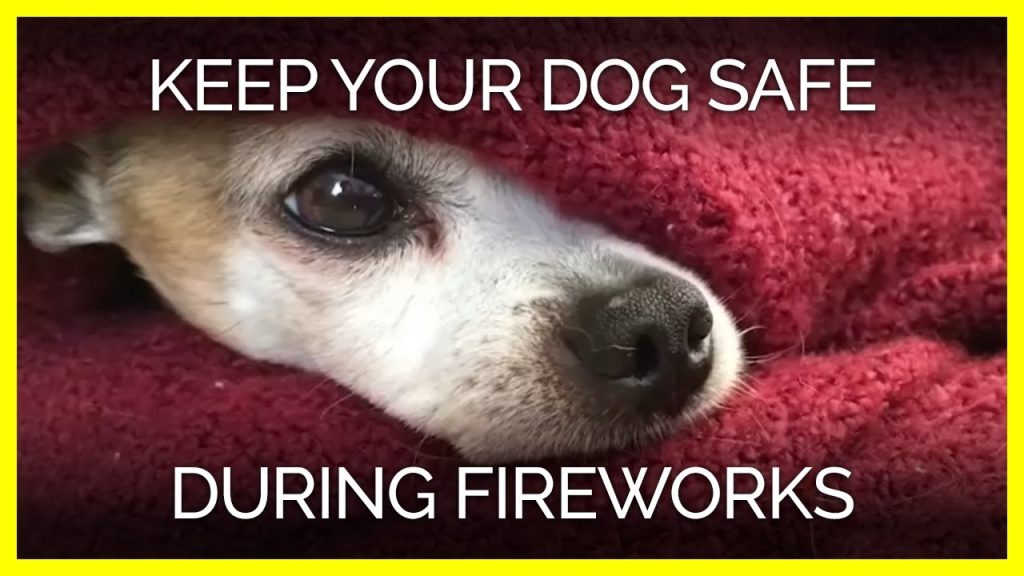
Recognizing these behaviors is the first step toward helping your pet cope. For instance, while one dog may seek solace under a bed, another might instead bark incessantly in an attempt to voice their discomfort. Encouragingly, the good news is that there are effective strategies and tools available to assist anxious animals. For example, products like anxiety wraps or calming treats have gained popularity among pet owners in the United States.
Why Understanding Fear Matters
Pets are unable to communicate their distress verbally, making it crucial for pet owners to understand their emotional state. This emotional intelligence allows you to respond effectively to your pet’s needs. Addressing their fear can lead to a happier and healthier lifestyle for your furry friends. Research highlights how untreated fear can lead to long-term behavioral problems, manifesting in destructive habits or even aggression over time.
In particular, the bond between pet and owner can be significantly strengthened by cultivating an understanding of these fears. For instance, creating a designated safe space, such as a cozy corner filled with familiar blankets and toys, lets your pet know they have a sanctuary to retreat to during stressful situations. Furthermore, engaging in positive reinforcement techniques can help build your pet’s confidence, allowing them to navigate their fears more effectively.
By exploring ways to manage this fear, you not only improve their quality of life but also foster a deeper connection with your pet. In the following sections, we’ll delve into practical approaches to help your pet overcome their fear of fireworks and loud noises. From environmental adaptations to behavior training, there are numerous avenues to pursue in alleviating your pet’s anxiety, ensuring they can lead a more peaceful and fulfilling life.
CHECK OUT: Click here to explore more
Creating a Safe Haven for Your Pet
When it comes to reducing anxiety during fireworks and loud noises, creating a safe and comforting space for your pet can make all the difference. This environment should be perceived as their personal sanctuary—a place where they can retreat and feel secure. Consider using a quiet room or a cozy corner in your home that is farthest from the noise. Here are some essential elements to incorporate:
- Comfortable bedding: Providing soft blankets or their favorite bed can encourage them to settle down. Familiar scents can further amplify their sense of security.
- Soundproofing: Although complete soundproofing may be challenging, using thick curtains and sealing windows can help dull the surrounding noise to some extent.
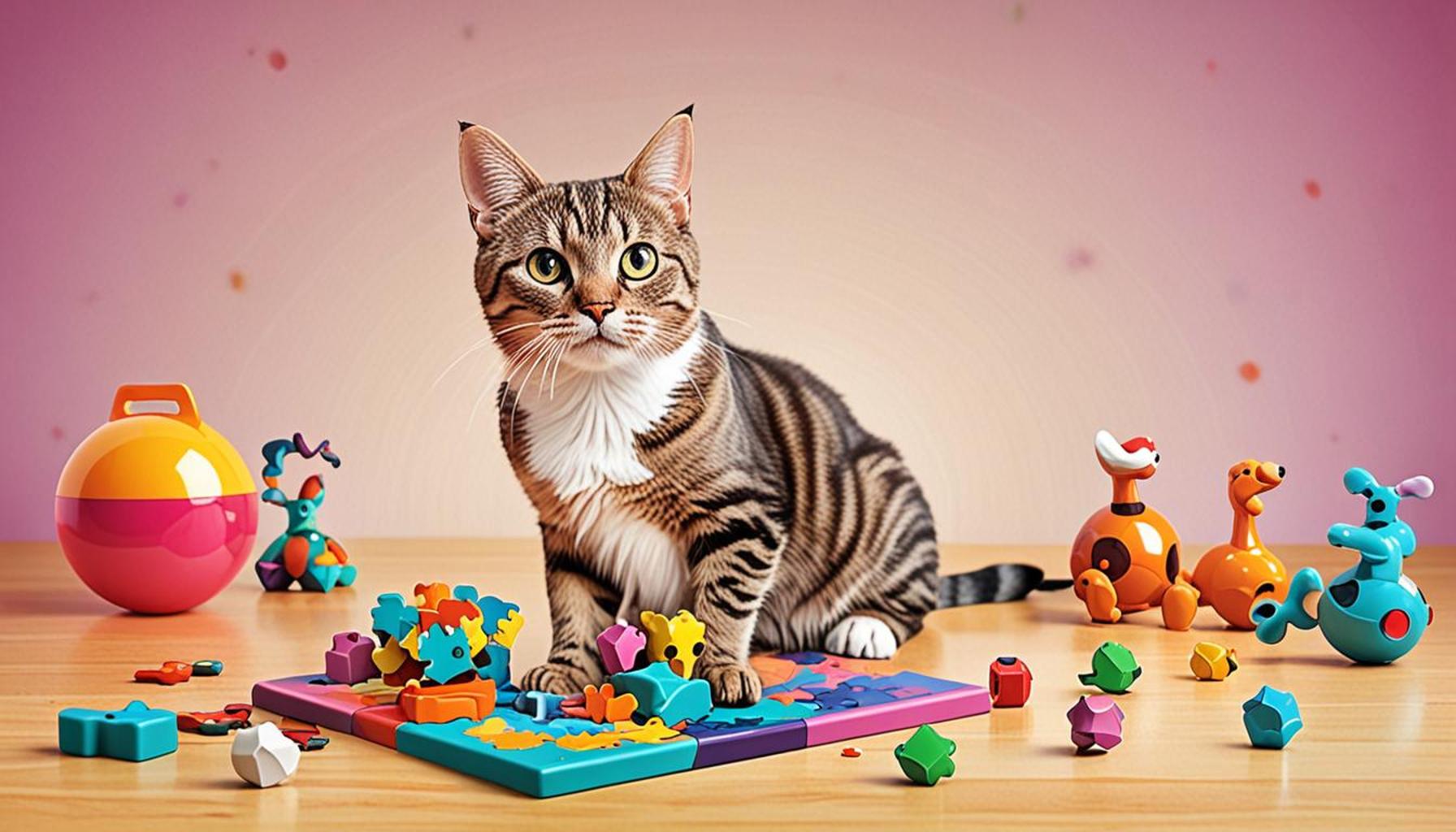
- Distraction tools: Utilize toys, chew items, or even a puzzle feeder to distract your pet during these stressful moments. Engaging their mind can significantly reduce anxiety.
- Calming pheromones: Consider using diffusers or sprays that release calming pheromones. These substance replicate the scents that make pets feel comfortable, creating a sense of well-being.
In addition to creating a safe space, it’s imperative to remain calm yourself. Pets often pick up on their owner’s emotions, so projecting a sense of peace can aid in easing their anxiety. Engaging in quiet, soothing activities with your pet, such as gentle petting or soft talking, can reinforce feelings of safety.
Desensitization Techniques
Another effective method for helping your pet overcome their fear of loud noises is desensitization. This technique involves gradually exposing your pet to the source of their fear in a controlled manner. Begin by playing recordings of fireworks or thunder at a very low volume, allowing your pet to become accustomed to the sound without overwhelming them. Gradually increase the volume over time, rewarding them with treats and praise for calm behavior.
Consistency is crucial when implementing these techniques. The goal is to create positive associations with the noises that they typically fear. As your pet becomes more comfortable, you may notice them becoming less reactive to the sounds in their environment. Documenting their progress can also provide valuable insight, helping you adapt your strategy as needed.
Through these proactive steps, not only can you help your furry companions manage their anxiety, but you will also foster a supportive environment that will encourage growth and confidence. With the right approach, your pets can learn to face their fears and lead happier, more peaceful lives during those nerve-wracking noise-infused celebrations.
| Category | Advantages |
|---|---|
| Desensitization Techniques | Gradually exposing pets to loud sounds can help them learn to cope with fear triggers. |
| Calming Products | Essential oils, anxiety wraps, and pheromone diffusers can create a soothing environment. |
| Safe Spaces | Creating a designated quiet area allows pets to feel secure during times of fear. |
| Training and Commands | Teaching pets commands can help redirect their focus and reduce anxiety whenever loud noises occur. |
Understanding how to help your pet overcome their fear of fireworks and loud noises can enhance their quality of life greatly. Employing methods like desensitization can not only reduce anxiety but also strengthen the bond between you and your pet. Moreover, utilizing calming products helps create a tranquil environment, effectively easing their distress when encountering loud noises. Personalizing their experience with safe spaces ensures that they have a retreat where they can feel secure, promoting self-soothing behaviors. Additionally, focusing on training and commands redirects nervous energy into constructive actions, fostering a sense of control in uncertain situations. Each approach helps to address distinct aspects of fear, collectively contributing to more resilient and relaxed pets.
CHECK OUT: Click here to explore more
Behavior Modification Techniques
In addition to creating a safe haven and utilizing desensitization methods, behavior modification techniques can effectively assist your pet in managing fear of fireworks and loud noises. These approaches focus on reshaping your pet’s response to anxiety-inducing stimuli. One widely used strategy is counter-conditioning, which involves changing your pet’s emotional response to a sound from negative to positive.
For instance, when you know a noise will occur, such as during a holiday with fireworks, begin by playing the sound at a low volume while simultaneously providing treats or engaging in playtime. The essence of counter-conditioning lies in linking the sound to pleasant experiences, creating a more comfortable association over time.
Consider Professional Help
If your pet’s fear is particularly severe, seeking assistance from a professional animal behaviorist or a veterinary behaviorist may be necessary. These experts can offer tailored solutions that suit your pet’s individual needs. They might recommend a combination of behavioral therapies and possibly even medications to reduce anxiety. Various anxiolytic medications can be effective in managing high levels of fear, but this should always be done under professional guidance.
Moreover, products such as calming wraps or anxiety vests can provide additional comfort. These garments apply gentle pressure to help soothe nervous pets during instances of loud noises. Similarly, you might explore other tools from natural supplements to pheromone diffusers that can be beneficial in creating a calm atmosphere.
Creating a Routine During High Noise Events
It can also be beneficial to create a consistent routine during high noise events. Animals thrive on predictability, which can provide them comfort in stressful situations. Make sure your dog or cat knows what to expect when fireworks or loud noises happen. Having a special treat or a favorite toy available can provide them with a sense of normalcy, which aids in modulation of their anxiety levels.
Engaging in simple activities, like playing hide and seek or offering a chew toy, can also draw their attention away from external stressors. Try to establish a routine over upcoming holidays or events known for loud noises, such as Independence Day or New Year’s Eve. Being proactive during these times can significantly lessen anxiety triggers for your pet.
Educate Yourself About Signs of Fear
Understanding how pets display fear is crucial for effective intervention. Signs of fear in dogs may include whining, panting, pacing, hiding, or attempting to escape. Cats may show similar behavioral patterns, but might also resort to aggression or shelter-seeking behavior. Being aware of these fear responses allows you to intervene and support your pet quickly, minimizing their distress when loud noises occur.
By integrating behavior modification techniques along with patience, dedication, and perhaps expert assistance, you can reinforce your bond with your pet while guiding them towards a less fearful existence. The journey may take time, but through positive motivation and consistent training, overcoming the fear of fireworks and loud noises is achievable.
SEE ALSO: Click here to read another article
Conclusion
Helping your pet conquer their fear of fireworks and loud noises is not just an act of kindness; it is essential for their overall well-being. As we’ve explored, a multi-faceted approach combining safe spaces, behavior modification techniques, and perhaps professional guidance can make a significant difference in how your pet responds to anxiety-triggering sounds. Implementing strategies such as counter-conditioning and establishing a routine during high-noise events can help create positive associations and offer a sense of stability. Understanding your pet’s specific fear responses also empowers you to intervene effectively and provide immediate comfort when needed.
Moreover, consider the use of supplementary tools like calming wraps, anxiety vests, and natural calming aids, which can further support your pet’s journey towards serenity. Remember that your patience and commitment play critical roles in this process; transformation may take time, but it is surely achievable with consistency and care. Just as we celebrate the joys of high-energy events, let us also strive for peaceful solutions that nurture our pets’ emotional health.
As pet owners, we have the opportunity to turn stressful experiences into moments of bonding and reassurance. Through understanding and proactive measures, you can guide your pet through their fears, ensuring they feel secure and loved, even amid the chaos of loud noises. So, as the next fireworks display approaches, arm yourself with knowledge and compassion, and help your furry friend embrace a quieter way of enjoying life’s celebrations.