
Dog and Child Safety Coexistence Rules to Prevent Accidents
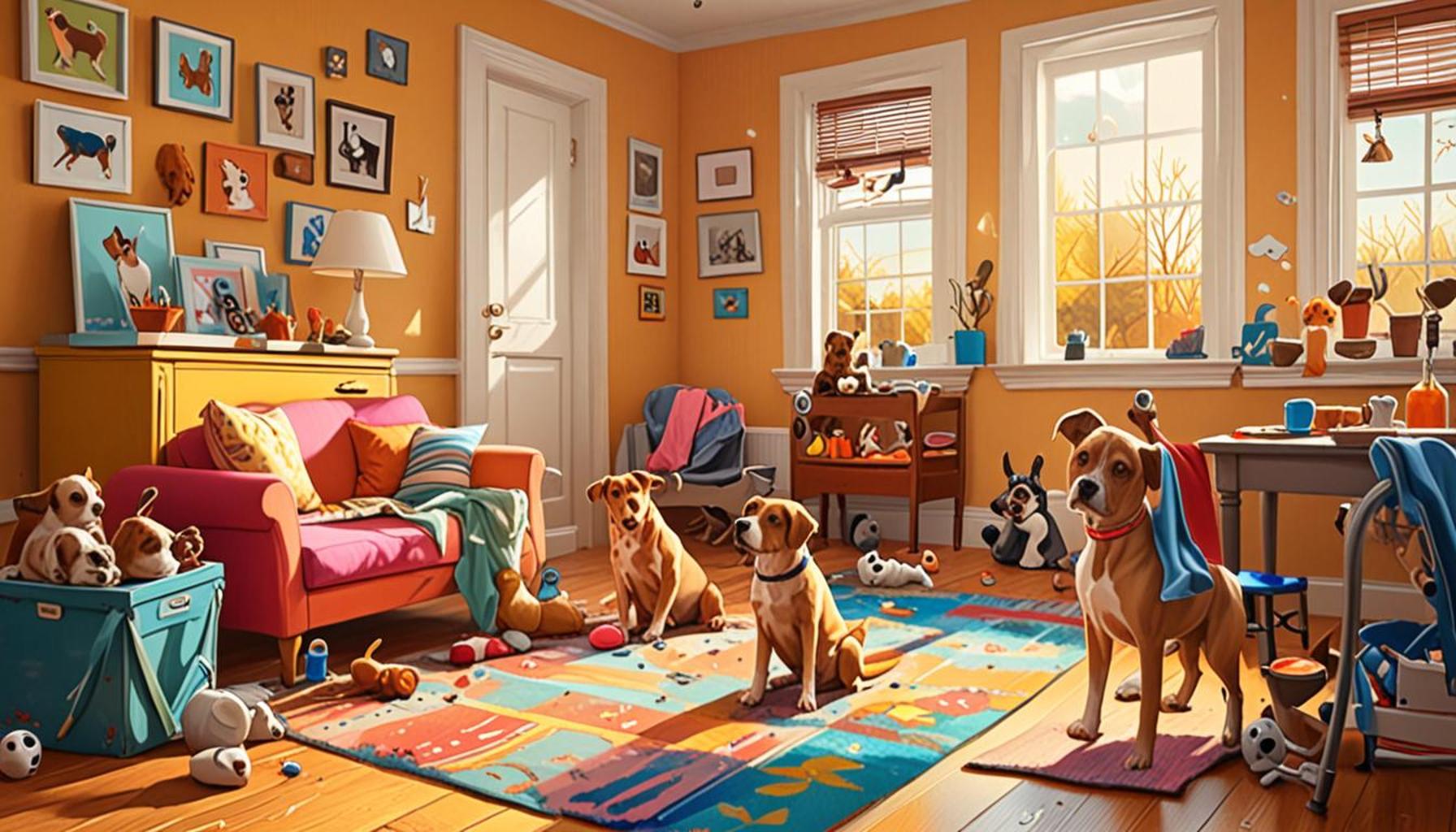
Ensuring Harmony Between Dogs and Children
The bond between children and dogs can be one of life’s most rewarding experiences. However, it is crucial to remember that this relationship requires proper guidance to ensure mutual safety. With over 89 million pet dogs in the United States, it’s no surprise that many families have dogs alongside their children. Nonetheless, creating a safe environment for both parties involves more than just love; it necessitates education, supervision, and awareness of canine behavior.
Understanding key rules of coexistence can prevent accidents and reduce fears. Here are some essential guidelines that every family should consider:
- Supervision: Always supervise interactions between dogs and young children. Children, especially toddlers, may not recognize a dog’s signals when it feels threatened or uncomfortable. For instance, a growl or a bark could be misunderstood by a child as an invitation to play, potentially leading to biting or scratching. Incorporating a designated adult to oversee every play session can dramatically decrease the chances of such incidents.
- Teach boundaries: Children must learn not to disturb dogs while they are eating or sleeping. Dogs value their personal space, and intruding on these times can lead to aggression. Teaching children basic dog etiquette, such as knocking before going to the dog’s space or waiting until the dog is done eating, fosters respect and understanding. For example, showing children how to recognize when a dog is not ready to engage—perhaps by observing a dog’s body language or its level of energy—can go a long way in ensuring harmony.
- Safe play: Encourage safe games that don’t provoke aggressive behavior. Fetch and gentle tug-of-war can be fun and stimulating activities when done safely. Using toys specifically designed for dogs can help divert a dog’s excitement or possessiveness away from children’s belongings. Additionally, games such as hide-and-seek allow both the child and the dog to engage without compromising safety. As excitement levels rise, it’s essential to either introduce breaks or redirect the dog’s attention to avoid situations that could escalate.
By applying these simple yet effective dog and child safety rules, families can enjoy a harmonious environment. The goal is to create a loving atmosphere where both children and pets thrive together without worries of accidents or injuries. As you delve deeper into this article, you will discover more practical tips and strategies to enhance this precious relationship. For instance, regular obedience training for dogs not only enhances their behavior but also strengthens the bond between the pet and the children. Teaching dogs to respond reliably to commands builds trust and instills a sense of security within the family dynamic.
Moreover, seeking educational resources, such as workshops or guides from reputable organizations like the American Kennel Club (AKC), can further the understanding of safe interactions. These proactive steps can help define a nurturing environment where both children and dogs can play and learn together, cultivating lasting friendships rooted in respect and joy.
SEE ALSO: Click here to read another article
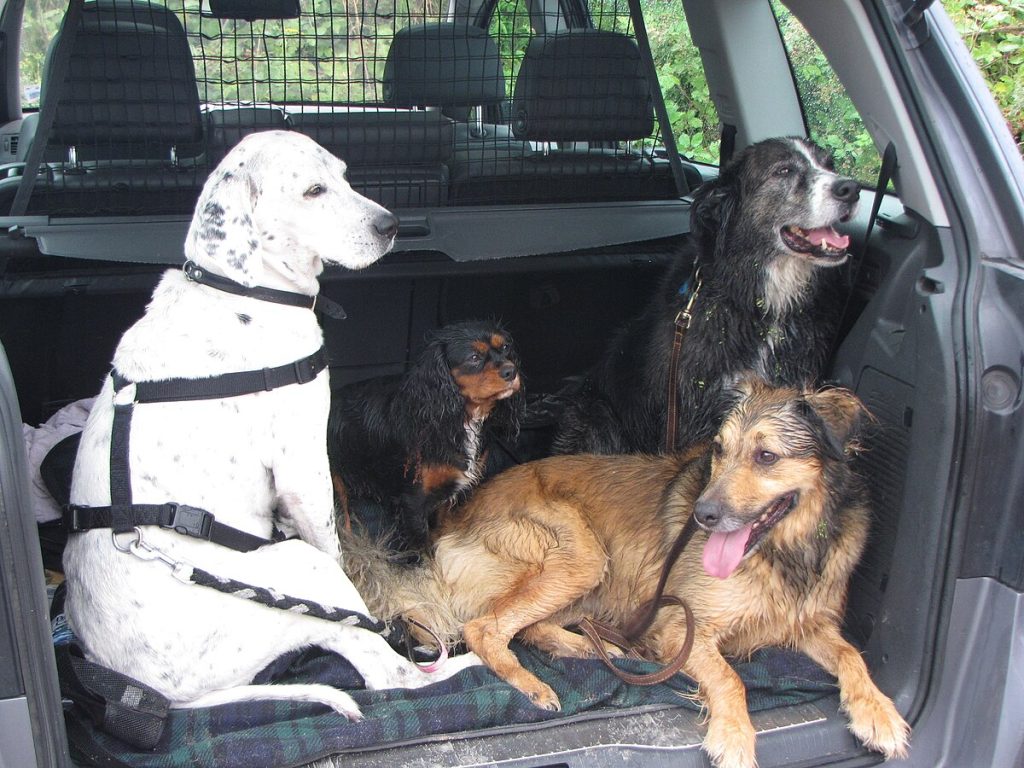
Essential Strategies for Safe Interactions
Maintaining a safe and loving environment for both dogs and children requires an understanding of their unique behaviors and needs. Recognizing that dogs are not just pets but social animals with feelings can assist families in navigating the coexistence challenge. Below are vital strategies that can help reinforce safety while fostering positive interactions:
- Introduce Gradually: When bringing a new dog into a household with children, it is essential to introduce them slowly and in a controlled manner. Allow the dog to get familiar with the children while on a leash, where it feels secure. Make sure the children understand the importance of allowing the dog to approach them first rather than rushing in for a hug, which could cause the dog to feel cornered.
Explaining to children that taking it slow helps the dog feel more comfortable can instill patience and understanding. Gradual introductions set the foundation for a trusting relationship between the dog and child.
- Educate on Dog Body Language: Teaching children to read a dog’s body language is critical in preventing accidents. Children should learn the signs that indicate a dog is feeling anxious or threatened. These may include a tucked tail, flattened ears, or avoiding eye contact. For instance, explaining that a dog that rolls over is likely signaling submission can help children understand appropriate interactions.
It’s equally important to teach children to respect a dog that signals discomfort, reinforcing that a dog may not be ready for play and that respecting boundaries ensures everyone’s safety.
- Establish Safe Spaces: Creating designated areas where dogs can retreat for peace is an effective method to prevent accidents. Children must learn the significance of these zones and be instructed not to cross into them, particularly when the dog is taking a break or is in a stressful situation. By ensuring that dogs have their safe spaces, it promotes an environment where they can unwind away from the hustle and bustle of playful children.
- Practice Positive Reinforcement: Encouraging both dogs and children through positive reinforcement creates a positive association with each other. When children exhibit gentle behavior towards the dog, such as petting softly or using a calm voice, parents can reward both parties—possibly with treats for the dog or praise for the child. This practice not only encourages positive interactions but also helps shape good habits over time.
Implementing these straightforward yet powerful concurrence rules significantly reduces the likelihood of accidents while enhancing the bond between dogs and children. By focusing on education and awareness around canine behavior, families are better equipped to navigate potential hazards. As you explore more, additional insights on safety protocols and activities will be available, allowing families to deepen this uniquely enriching relationship.
Understanding and Implementing Safety Rules
When it comes to ensuring a safe coexistence between dogs and children, context matters enormously. Creating a safe environment is not just about having rules; it’s about understanding both the canine instincts and the behaviors of young children. Here, we delve into vital safety rules and tips that can significantly reduce the risk of accidents.
Establishing Boundaries
One effective strategy is to set clear boundaries for both the dog and the child. Designate specific areas in the home or yard where the dog can retreat for privacy, especially during stressful times. Likewise, teaching children to respect these spaces helps avoid triggering any negative reactions.
Education is Key
Another essential component is education. Children should learn about proper interactions with dogs from a young age. This includes understanding dog body language and recognizing signs of discomfort. For instance, teaching kids to identify when a dog is feeling anxious or threatened creates a mutual understanding that could avert potential accidents.
Supervision
Additionally, supervision cannot be overstated. Always monitor interactions, especially between younger children and pets. This vigilance helps in preventing unwanted incidents and allows for immediate intervention if necessary.
Positive Reinforcement
Use positive reinforcement techniques to encourage harmonious behavior. Reward both the child and dog for displaying calmness and mutual respect. This builds a supportive atmosphere where both can learn to coexist safely.Employing these practices can greatly enhance safety, ensuring that the bond between dogs and children thrives without compromising safety.
| Safety Rule | Reason/Benefit |
|---|---|
| Establish Boundaries | Helps reduce stress for both kids and dogs by providing safe spaces. |
| Education | Teaches children to recognize signs of discomfort, promoting safer interactions. |
| Supervision | Prevents unwanted incidents by allowing parents to intervene when needed. |
| Positive Reinforcement | Creates a harmonious environment for both kids and pets. |
Improving the safety dynamics between dogs and children ensures a joyful and accident-free coexistence, fostering love and respect for both.
CHECK OUT: Click here to explore more
Creating Structured Environments for Safety
In addition to fostering understanding between children and their canine companions, establishing structured environments is vital for preventing accidents. Below are additional strategies to enhance safety in households where dogs and children coexist:
- Supervise Interactions: Always supervise playtime between children and dogs, particularly during the initial phases of their relationship. Accidents often occur during unsupervised moments when the dynamics shift unexpectedly. Implementing a rule that states children are not allowed to interact with the dog without adult supervision can greatly reduce the risk of mishaps. Ensure that adults are engaged at all times, ready to step in if necessary.
- Set Behavioral Boundaries: Just as children are taught the limits of acceptable behavior, dogs also need to understand the rules within the household. Teach children to approach dogs gently, avoiding sudden movements or loud noises that might startle them. Additionally, implement commands such as “no” or “gentle” to guide both dogs and children towards safe behavior. An organized approach towards training pets lays the foundation for safe coexistence.
- Integrate Safe Toys: Having dedicated toys for both dogs and children can minimize jealousy and competition over playthings, which can lead to conflict. Keep a collection of toys that are appropriate for both ages, ensuring that children understand the distinction between their toys and the dog’s. By promoting sharing of safe toys while discouraging interference with each other’s belongings, families can foster harmony and prevent territorial behavior.
- Designate Feeding and Sleeping Zones: Establishing specific areas for feeding and sleeping can significantly enhance safety in the household. Children must be taught not to disturb a dog while it is eating or sleeping, as this is when dogs may feel most vulnerable. Consider using gates or barriers to create separate spaces during meal times. This approach not only protects children from potential bites but also creates an environment where dogs feel secure.
- Use Proper Leash and Harness Techniques: When out and about, ensuring that dogs are properly leashed can protect children and the dog from unforeseen dangers. Invest in quality leashes and harnesses that are suited for the dog’s size and strength, reducing the chances of escape or pulling. Teach children how to appropriately hold the leash and involve them in daily walks while emphasizing the importance of maintaining control.
With structured environments in place, families can enjoy the delightful companionship between dogs and children with fewer concerns about accidents. Integrating these safety practices into everyday life not only educates both parties but also fosters a culture of mutual respect and understanding. As families pursue these coexistence strategies, they will naturally build a safer and more enjoyable atmosphere for everyone involved.
SEE ALSO: Click here to read another article
Conclusion: Embracing Safety in Harmony
In conclusion, creating a safe and harmonious environment for both dogs and children is not just an aspiration but a necessity for modern families. The strategies outlined in this article emphasize the importance of supervision, setting clear behavioral boundaries, and designing structured spaces. These practices not only prevent accidents but also cultivate a bond built on trust and respect.
The reality is that children and dogs can coexist peacefully when families are proactive. Educating children about canine behavior and teaching them to recognize canine body language is vital. This knowledge empowers kids to interact responsibly, reducing the likelihood of misunderstandings that can lead to accidents. Additionally, ensuring appropriate separation during feeding and sleeping can significantly improve safety for both parties.
Moreover, engaging kids in the responsible care and training of their furry friends can be a rewarding experience. The incorporation of safe play areas and proper leash techniques while outside fosters an environment where children can learn valuable life skills, such as responsibility and empathy. Ultimately, these simple coexistence rules pave the way for a safer, more enjoyable experience for families.
As we consider the statistics of pet-related accidents each year, it becomes clear that preventative measures are essential. By prioritizing education and establishing consistent routines, families can mitigate risks and foster a nurturing environment. It is time to take these insights to heart and make safety a shared commitment, allowing both children and dogs to thrive together.