Common Elderly Dog Diseases Tips for Maintaining Life Quality
Recognizing and Responding to Health Challenges in Senior Dogs
As our beloved dogs transition into their golden years, it is imperative for pet owners to be vigilant and informed about the health conditions that are more prevalent in older pets. This awareness allows us to provide not only the necessary medical care but also emotional support that ensures a fulfilling life for our aging companions. Let’s explore some prevalent diseases that impact elderly dogs and the strategies that can help mitigate their effects.
- Arthritis: This debilitating condition is characterized by inflammation of the joints, causing severe pain and reduced mobility. Older dogs, particularly large breeds like Labradors and German Shepherds, often suffer from arthritis. Signs to look for include difficulty rising after rest, limping, or reluctance to engage in previously enjoyed activities such as walks or playtime. Managing arthritis often involves a blend of medication prescribed by a veterinarian and physical therapy techniques, including controlled exercises that promote joint health without causing strain.
- Cognitive Dysfunction Syndrome (CDS): Much like dementia in humans, CDS leads to significant changes in a dog’s behavior, memory, and ability to learn. Symptoms may include disorientation, disrupted sleep patterns, and changes in social interactions. Using enrichment activities such as puzzle toys or memory games can foster mental engagement and potentially slow the progression of cognitive decline. Regular interactions, both mental and physical, can greatly enhance their quality of life.
- Heart Disease: As dogs age, heart conditions such as dilated cardiomyopathy can develop, leading to compromised stamina and increased fatigue. Common signs may include coughing, difficulty breathing, and lethargy. Engaging with a veterinarian to develop a comprehensive care plan is crucial. This may involve medication, dietary adjustments, and appropriate exercise routines tailored to your dog’s new capabilities.
- Kidney Disease: This condition is particularly common in senior dogs and often requires significant lifestyle adjustments. Dogs with kidney disease may exhibit increased thirst, frequent urination, and fatigue. Nutritional management is vital, and many veterinarians recommend specially formulated diets that provide the right balance of nutrients while reducing stress on the kidneys.
- Diabetes: Older dogs can also develop diabetes, which may necessitate careful monitoring of both diet and insulin levels. Symptoms to watch for include increased thirst, frequent urination, and unexplained weight loss. Owners should work closely with their veterinarians to find the right balance of diet and exercise that keeps their dog’s blood sugar levels stable.
Beyond recognizing these ailments, implementing preventive measures can significantly enhance an elderly dog’s quality of life. Regular veterinary check-ups become even more important, as early detection can lead to better management of potential issues. Additionally, consider these vital steps:
- Routine Exercise: While some may think of vigorous walks, tailored and gentle exercise routines can actually promote mobility without overexerting your dog. Short, frequent walks along with light playtime can improve joint function and mental wellness.
- Balanced Diet: Consulting your veterinarian about senior-specific food options is essential. These diets are typically lower in calories and higher in fiber which supports weight management and digestive health. Homemade diets, if well-balanced and approved by a vet, can also be a beneficial alternative.
- Mental Stimulation: Engaging your dog’s mind through simple puzzle toys, training sessions, or scent games serves to keep their cognitive functions sharp. Regular mental engagement can counteract some of the effects of cognitive dysfunction.
By staying proactive and informed about the health of our senior dogs, we can significantly enhance their well-being and enrich their lives. Not only does this knowledge aid in recognizing symptoms early, but it also equips pet owners with the tools to implement effective management strategies tailored to their beloved companions. Let’s commit to providing the best care possible for our aging friends, ensuring their final years are filled with joy and comfort.
SEE ALSO: Click here to read another article
Understanding the Impact of Aging on Canine Health
As dogs gracefully age, they come to face a myriad of health challenges, many of which can be common yet profoundly impactful on their quality of life. Recognizing these issues early on can not only ease potential suffering but also foster a better bond between you and your furry companion. Let’s delve deeper into some of the most common elderly dog diseases and what practical steps can be taken to enhance their life quality.
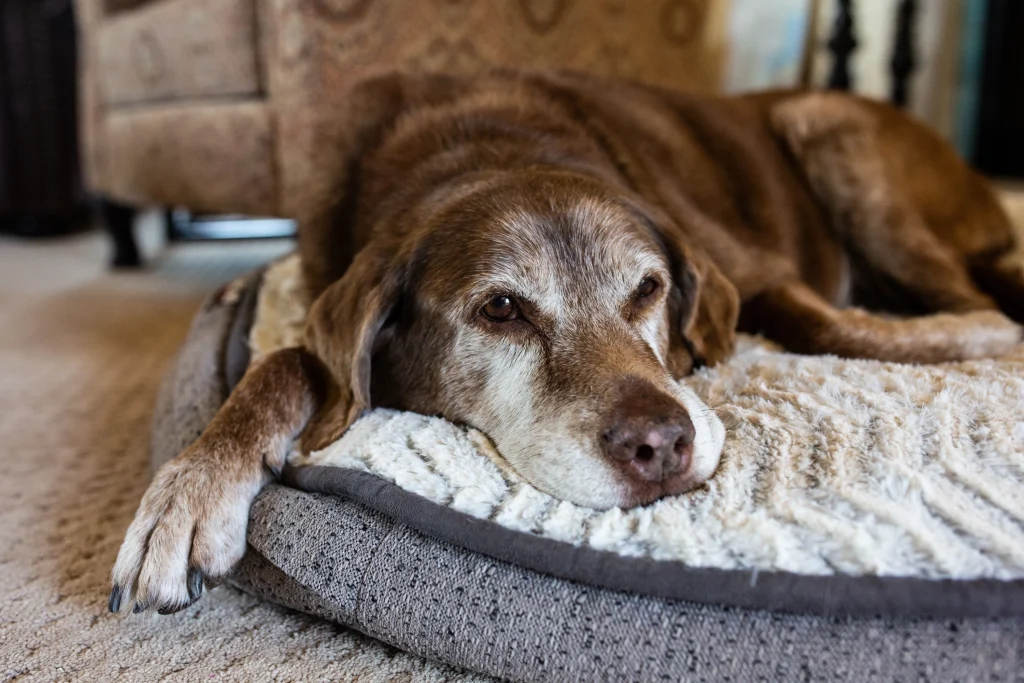
- Arthritis: A frequent affliction in older dogs, arthritis manifests as debilitating joint pain. Breeds that are larger or heavier, such as Labrador Retrievers and Rottweilers, are particularly susceptible. Watch for signs such as hesitation in jumps, a decrease in activity, or even trouble climbing stairs. Regular consultations with your veterinarian, alongside prescribed pain management treatments and nutrient supplements like glucosamine, can significantly alleviate discomfort.
- Cognitive Dysfunction Syndrome (CDS): Often referred to as canine dementia, CDS can lead to behavioral changes resembling those seen in aging humans. Dogs may appear confused, experience sleep disturbances, or withdraw from social interactions. Implementing activities that challenge their minds—like teaching new tricks or engaging in scent detection games—can provide stimulation and enhance cognitive function.
- Heart Disease: Aging often brings an increased risk of heart conditions, which can severely limit your dog’s activity levels. Watch for signs such as persistent coughing, swollen abdomen, or a decrease in stamina during play. Collaborating with your veterinarian on heart-healthy diets rich in omega fatty acids and regular, gentle exercise can help manage these conditions.
In addition to these common ailments, kidney disease and diabetes are other serious health issues that may become prevalent as dogs age. Both conditions necessitate regular monitoring and potential lifestyle adjustments, which can be daunting for pet owners. However, with proper guidance and planning, significant improvements in health and happiness can be achieved.
The Importance of Preventative Measures
While the aging process can bring about these challenges, proactive strategies are vital to help manage your dog’s health. For starters, regular vet visits become paramount as your dog ages. Early detection can lead to remedial measures that can significantly enhance their quality of life. Here are some essential tips to consider:
- Implement Regular Vet Check-Ups: Schedule bi-annual visits to monitor your dog’s health and get ahead of potential diseases.
- Tailored Nutrition: Balanced, nutrient-dense diets that cater to aging dogs are crucial. Consider formulations designed for mature dogs that help with weight management.
- Customized Exercise Plans: Tailoring exercise regimens to suit their comfort level can improve mobility and energy without causing strain.
- Social Engagement: Keep your dog socially stimulated by introducing them to friendly dogs and enhancing their interaction with family.
By understanding the common diseases that elderly dogs face and the importance of preventative care, pet owners can advocate for a healthier, fuller life for their aging companions. Investing time in their health now not only reduces the risk of severe conditions down the line but also nurtures a loving and supportive environment for your furry friends.
| Common Diseases | Symptoms and Care Tips |
|---|---|
| Arthritis | Watch for limping or difficulty moving. Regular vet check-ups and appropriate medications can greatly enhance mobility. |
| Cognitive Dysfunction | Signs include confusion and disorientation. Engage their minds with brain games and routines to improve mental health. |
| Heart Disease | Look for coughing or fatigue. A heart-healthy diet and consistent exercise can significantly prolong quality life. |
| Kidney Disease | Frequent urination and increased thirst are key indicators. Maintain a balanced diet and ensure access to fresh water. |
In addressing common elderly dog diseases, understanding the signs and proper care tips is crucial. With conditions like arthritis, dogs often require more than just medication; their daily routines should include gentle exercise to maintain their joint health. Similarly, cognitive dysfunction can affect their quality of life, requiring owners to stimulate their minds through engaging activities. For those dealing with heart disease, adopting a nutritious diet combined with consistent physical activity is vital in managing symptoms and maintaining overall health. Finally, kidney disease necessitates an understanding of hydration needs, emphasizing the importance of clean drinking water. This proactive approach ensures that pet owners can enhance their elderly dogs’ life quality, enabling them to enjoy their golden years comfortably and happily.
SEE ALSO: Click here to read another article
Managing Common Elderly Dog Diseases with Care
As our furry family members age, their bodies undergo a series of changes that can impact their health and well-being. Some additional common elderly dog diseases that owners should be aware of include cancer, hearing loss, and skin conditions. Understanding these issues, along with implementing effective management strategies, can significantly enhance your dog’s life quality.
- Cancer: Unfortunately, as dogs age, their susceptibility to various forms of cancer increases. Common types include lymphoma, mast cell tumors, and osteosarcoma. Regular check-ups are crucial for early detection and should include physical examinations and necessary diagnostic imaging or biopsies. Talk to your veterinarian about screening options and consider a diet rich in antioxidants to support your dog’s immune system.
- Hearing Loss: Many dogs experience hearing loss as they grow older, which often goes unnoticed initially. Signs can include a lack of response to calls or sounds and increased clinginess. If you suspect your dog is losing their hearing, consult your vet for an evaluation. Positive reinforcement training with visual cues can help facilitate communication, allowing your pet to adapt to their changing abilities.
- Skin Conditions: Older dogs frequently battle skin issues, whether it be allergies, infections, or tumors. Watch out for symptoms such as excessive scratching, odor, or changes in coat quality. Regular grooming not only helps with hygiene but also allows you to spot potential issues early. Formulating a consistent bathing regimen using hypoallergenic shampoos may also provide relief for irritated skin.
Creating a Comfortable Home Environment
In addition to medical management, creating a comfortable living space can greatly improve your dog’s life quality. Implementing certain adaptations can ease their mobility and enhance their overall well-being. Here are some effective strategies:
- Orthopedic Bed: Invest in a high-quality orthopedic dog bed that offers support for aching joints. These beds can provide comfort, especially for dogs with arthritis.
- Non-Slip Surfaces: Ensure that flooring in your home is safe for your elderly dog. Area rugs or mats can prevent slipping, helping your dog navigate more confidently without risk of falls.
- Accessible Food and Water: Position food and water bowls at a convenient height, and consider elevated feeders if that suits better. Staying hydrated is essential for kidney health and overall vitality.
- Calm Environment: Keep the environment calm and stress-free. Loud noises or chaotic activities can be disorienting for older dogs. Creating quiet spaces for relaxation can significantly reduce anxiety.
Additionally, mental stimulation contributes to a healthy lifestyle for aging dogs. Engaging them with interactive toys or puzzle feeders can keep their minds sharp and improve their overall mood. Simple games that involve short bursts of activity can prevent boredom without overwhelming them.
Being attentive to these common elderly dog diseases while implementing preventative care strategies can foster a nurturing atmosphere for your beloved pet. By actively participating in their health and comfort, pet owners can help ensure their furry friends enjoy their golden years to the fullest.
CHECK OUT: Click here to explore more
Conclusion: Enhancing the Golden Years of Your Furry Companion
As our canine companions enter their senior years, it becomes crucial for pet owners to be vigilant about common elderly dog diseases and the strategies to maintain their life quality. A proactive approach that encompasses regular veterinary check-ups can lead to early detection of ailments like cancer, hearing loss, and skin conditions. Understanding these potential health issues, combined with tailored care strategies, not only helps manage symptoms but also enriches the daily lives of our aging pets.
Creating a comfortable and supportive home environment plays an equally vital role. Simple modifications, such as investing in orthopedic beds, ensuring non-slip surfaces, and improving accessibility to food and water, can alleviate the struggles associated with aging. Additionally, fostering mental stimulation through interactive toys and gentle activities can keep your dog engaged and happy, ultimately enhancing their emotional well-being.
Being attentive to your elderly dog’s needs is a journey that requires dedication and empathy. As a responsible pet owner, taking the time to understand the myriad of changes your furry friend experiences will greatly contribute to their comfort during life’s later stages. Embrace this opportunity to strengthen the bond you share, ensuring that your beloved dog enjoys their golden years with the quality of life they deserve. By staying informed and proactive, you can bring out the best in their twilight years, making every moment meaningful.