
Behavior Differences Guard Companion Working Dogs Explained
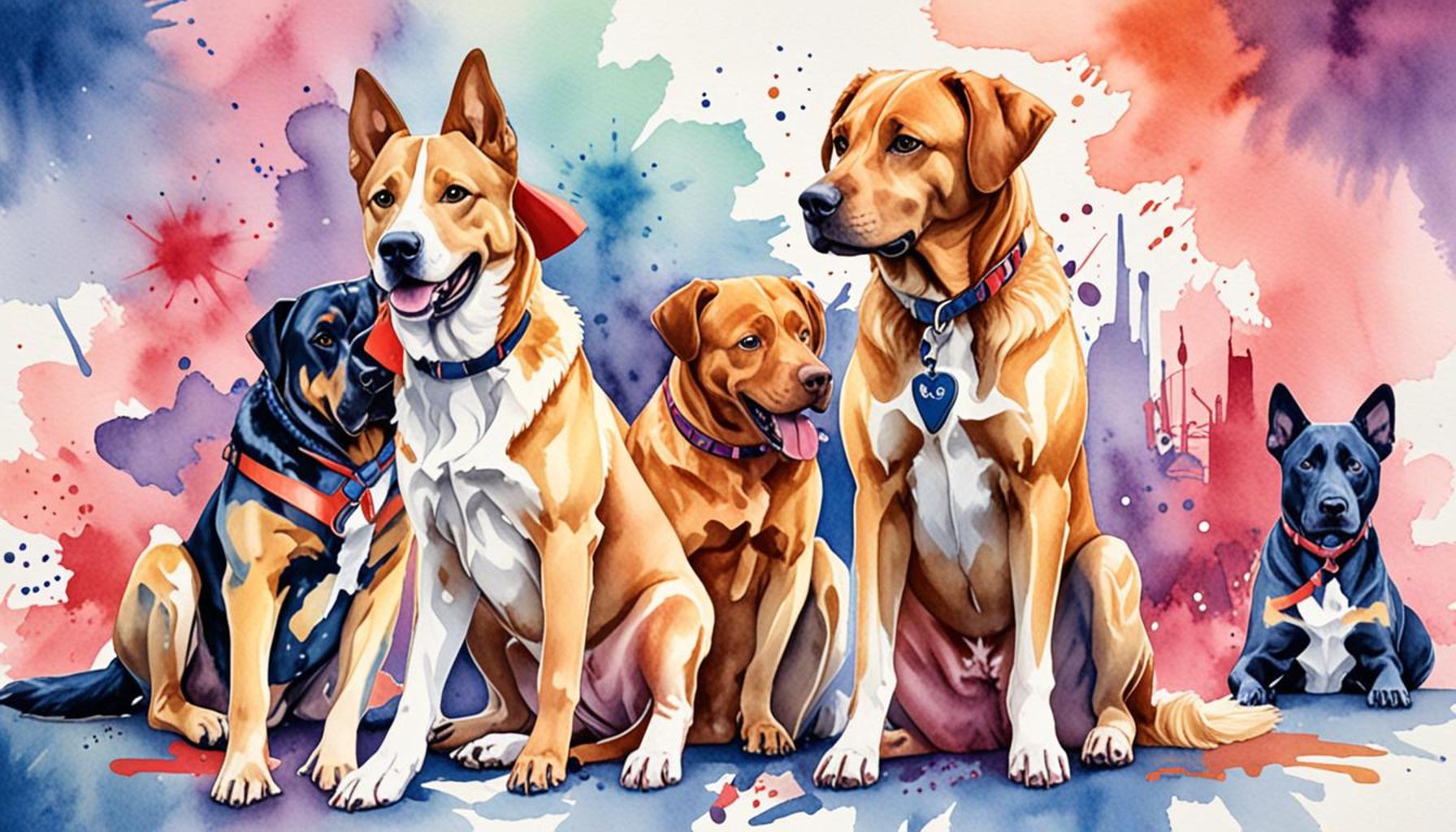
Understanding the Varied Roles of Dogs
Dogs have always held a special place in human society, often serving as loyal companions. However, the roles they play can vary significantly based on their breed and training. Among these, the distinction between guard dogs, companion dogs, and working dogs is crucial for understanding their unique behaviors and functions.
Key Differences in Behaviors
Each type of dog exhibits distinct behavioral traits shaped by their upbringing and purpose. Here are some characteristics to consider:
- Guard Dogs: Guard dogs, such as German Shepherds and Rottweilers, are known for their protective instincts and vigilance. They possess an acute sense of awareness and often display aggression toward perceived threats. Their territorial nature can make them excellent protectors of homes and businesses. Training for these dogs typically involves socialization and reinforcement of protective behaviors, ensuring they respond appropriately to intruders without being unnecessarily aggressive.
- Companion Dogs: Breeds like Golden Retrievers and Cavalier King Charles Spaniels epitomize the qualities of a companion dog. These dogs thrive on human interaction and are known for their friendly demeanor, adaptability, and ability to intuitively sense their owners’ emotions. Their affectionate nature makes them ideal family pets, as they not only provide companionship but can also serve therapeutic roles for individuals with emotional or psychological needs.
- Working Dogs: Working dogs, including breeds like Border Collies and Siberian Huskies, perform specific tasks that require intelligence and physical agility. These dogs are trained for various roles, such as herding sheep, assisting in search-and-rescue missions, or even detecting drugs. Their strong work ethic and ability to learn commands quickly make them invaluable in many settings, including forestry, law enforcement, and therapy.
Understanding these differences can help potential dog owners make informed decisions. By recognizing which type of dog aligns with their lifestyle and needs, owners can foster a more rewarding relationship with their furry companions. Additionally, it allows trainers to tailor training methods appropriately, ensuring that each dog can fulfill its role effectively. For instance, a family looking for a guard dog might benefit from a breed known for its protective instincts, while an individual seeking a therapy dog may prefer breeds recognized for their gentle and adaptive nature.
Explore Further
This article aims to delve into the specialized behaviors that define each category of dog. From the qualities that make them ideal for protection to the traits that enhance their companionship, we’ll uncover what makes each type unique. For those interested in acquiring a dog, understanding these roles can significantly impact not only the owner’s satisfaction but also the dog’s happiness and health. Join us on this journey to better appreciate the incredible diversity of our canine friends.
CHECK OUT: Click here to explore more
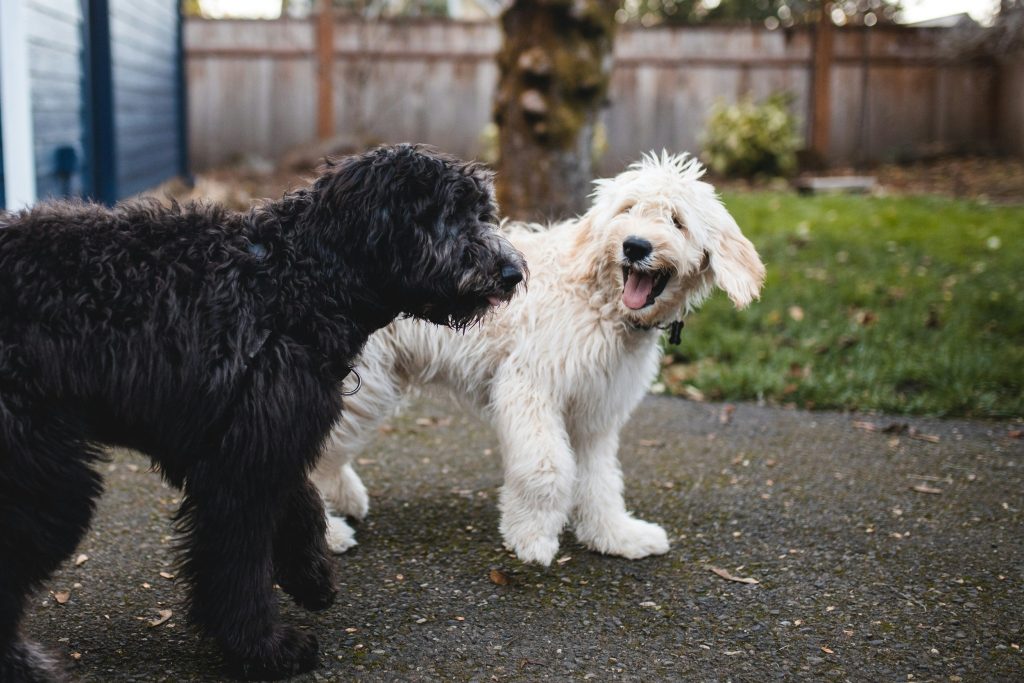
Behavioral Traits: What Sets Each Type Apart
As we explore the realm of dogs, it becomes evident that their behaviors are intricately tied to their designated roles and breeding. Understanding the specific behavior patterns of guard dogs, companion dogs, and working dogs not only enhances our appreciation for these animals but also aids prospective owners in making informed decisions concerning their next furry companion.
Guard Dogs and Their Protective Nature
The primary purpose of guard dogs is to protect property and people. Breeds like the Doberman Pinscher and Bullmastiff are renowned for their fierce loyalty and exceptional guarding instincts. These dogs are often characterized by:
- Alertness: Guard dogs maintain a heightened state of awareness, constantly scanning their environment for any signs of danger.
- Territorial behavior: These dogs are naturally protective of their living spaces and may display aggression toward unfamiliar individuals who encroach on their territory.
- Training responsiveness: Training is paramount for guard dogs, allowing them to discern safe from threatening situations, which helps prevent unnecessary aggression.
When properly trained, guard dogs can effectively protect, offering peace of mind to their owners. However, potential owners must be willing to invest in rigorous training and socialization to cultivate the desired temperament.
Companion Dogs: The Heart of the Home
Transitioning to companion dogs, one cannot overlook the integral role they play in familial settings. Breeds such as the Poodle and French Bulldog are celebrated for their affinity for social interaction, which is vital to their behavioral makeup. Characteristics of companion dogs include:
- Affectionate demeanor: These dogs thrive on human connection, requiring regular attention, playtime, and affection to feel fulfilled.
- Sociability: Companion dogs typically exhibit friendly behavior toward both humans and other animals, making them ideal family pets.
- Emotional sensitivity: Many companion breeds have an uncanny ability to detect their owners’ emotional states, often providing comfort during times of distress.
Due to their gentle nature, companion dogs can serve therapeutic roles for individuals combating anxiety and depression, making them a sought-after choice for many households.
Working Dogs: The Unsung Heroes
Lastly, working dogs encompass a diverse group dedicated to specific tasks that require intelligence and physical prowess. Breeds like the Belgian Malinois and German Shepherd often excel in roles such as search-and-rescue or assistance for individuals with disabilities. Their behavioral traits can be defined by:
- High intelligence: Working dogs are notoriously quick learners, capable of mastering complex commands and tasks.
- Strong drive: These dogs innately possess a work ethic, which propels them to engage in meaningful activities, ensuring they remain mentally and physically stimulated.
- Versatility: Many working dogs can be trained for various roles, ranging from police work to service animals, showcasing their adaptability.
Recognizing these behaviors can be invaluable for individuals seeking a working dog for labor-intensive tasks or for those wanting to provide a serving role that aligns with their dog’s capabilities.
Understanding the behavioral differences among guard, companion, and working dogs is crucial for not just potential owners but also society as a whole. Each type of dog offers unique traits that suit varying human needs and lifestyles, fostering a connection that is both rewarding and impactful.
| Category 1 | Category 2 |
|---|---|
| Behavioral Traits | Dogs in different roles exhibit unique behavioral traits, allowing them to perform specific tasks effectively. For instance, guard dogs showcase aggressive behaviors suitable for protection, while companion dogs are often gentle and sociable. |
| Training Requirements | Different working dogs require tailored training programs. Guard dogs may undergo rigorous training for situational awareness, while companion dogs might focus on socialization and obedience, enhancing their bond with humans. |
CHECK OUT: Click here to explore more
Tailoring Canine Companionship: Choosing the Right Dog for Your Lifestyle
Understanding the differences among guard dogs, companion dogs, and working dogs allows potential dog owners to find a breed that aligns with their lifestyle and needs. Beyond merely filling a role, each type provides an enriching relationship that can significantly enhance human life. The decision also encompasses more than breed traits; it involves an appreciation for the inherent behavior exhibited by these extraordinary animals.
Behavioral Considerations for Guard Dog Owners
When considering a guard dog, it’s essential to realize that while their protective instincts can be comforting, they come with responsibilities. Not only do these dogs require extensive training to mitigate aggressive tendencies, but they thrive on having an active owner who will engage them mentally and physically. It is important to provide:
- Socialization: Early interaction with varied people, environments, and other animals helps prevent fear-based aggression and promotes a well-rounded temperament.
- Regular exercise: A tired dog is a well-behaved dog; owning a guard dog means consistently providing adequate physical activity to fulfill their needs.
- Consistency in training: Establishing clear rules and expectations from the start fosters a respectful relationship where the dog understands commands and boundaries.
Failure to address these aspects can lead to behavioral issues that may not only strain the owner-dog relationship but also pose safety risks.
Choosing the Right Companion Dog
For families or individuals seeking a companion dog, emotional compatibility becomes paramount. Companion dogs require significant social interaction and emotional bonding with their owners. Traits to consider when selecting a companion breed include:
- Energy level: It’s crucial to select a dog that matches your activity level; whether you prefer leisurely strolls or active outdoor adventures, there’s a companion breed for you.
- Adaptability: Certain breeds are more suited for apartment living if space is a concern, whereas others thrive in larger homes with yards where they can roam freely.
- Allergies or sensitivities: Some breeds, like the Bichon Frise, are known to be hypoallergenic and may be more suitable for families sensitive to dog dander.
The joy of a companion dog lies in their ability to offer unconditional love, but it requires a commitment to nurturing that bond actively.
Engaging with Working Dogs
Working dogs bring a unique blend of intelligence and versatility that makes them ideal for various functional roles. However, potential owners must understand that selecting a working dog demands a commitment not just to companionship but to continued training and activity. Considerations include:
- Task suitability: Assess the specific tasks you wish to engage your dog in—whether it’s agility, search-and-rescue, or therapy work—each requires different skills and temperaments.
- Work ethic: Working dogs thrive on having a “job” and may exhibit destructive behaviors if not adequately stimulated. Engage them in regular training sessions or activities that keep their minds sharp.
- Professional training options: Many working breeds benefit from specialized training programs, which can provide the skill set needed for their designated tasks while fostering a strong bond with their handler.
In conclusion, choosing the right dog depends on understanding their unique behavioral traits and aligning them with your lifestyle. A dog’s behavioral needs can create a rewarding companionship that augments both their quality of life and yours.
SEE ALSO: Click here to read another article
Understanding Canine Behavior: A Final Reflection
In the complex world of canine companionship, the distinctions between guard dogs, companion dogs, and working dogs are pivotal to forming a harmonious relationship with your pet. It is essential to grasp that each type of dog not only serves a specific purpose but also demonstrates unique behavioral traits that significantly influence their interaction with humans. By aligning your lifestyle with the appropriate breed, you unlock the potential for a mutually beneficial partnership that enhances both your life and theirs.
When contemplating the addition of a canine companion, reflect on the responsibilities that come with each type. Guard dogs require vigilant training and socialization to ensure they do not become overly aggressive, while companion dogs thrive on emotional bonds and daily engagement. Furthermore, working dogs showcase their intelligence and versatility, requiring ongoing mental stimulation through various training and activities. Each breed demands a specific commitment, and understanding these nuances is key to preventing behavioral issues and fostering a strong bond.
This exploration not only highlights the significance of selecting a dog that complements your lifestyle but also underlines the need for continual learning and adjustment on the owner’s part. Investing time in understanding and addressing the behavioral needs of your dog ultimately leads to a rewarding companionship that can withstand the tests of time.
As you embark on the journey of dog ownership, remember that the most fulfilling relationships are rooted in an appreciation of their inherent behaviors, ensuring both you and your dog thrive together in harmony.