Essential Dog Grooming Tips Bathing Brushing Nail Care
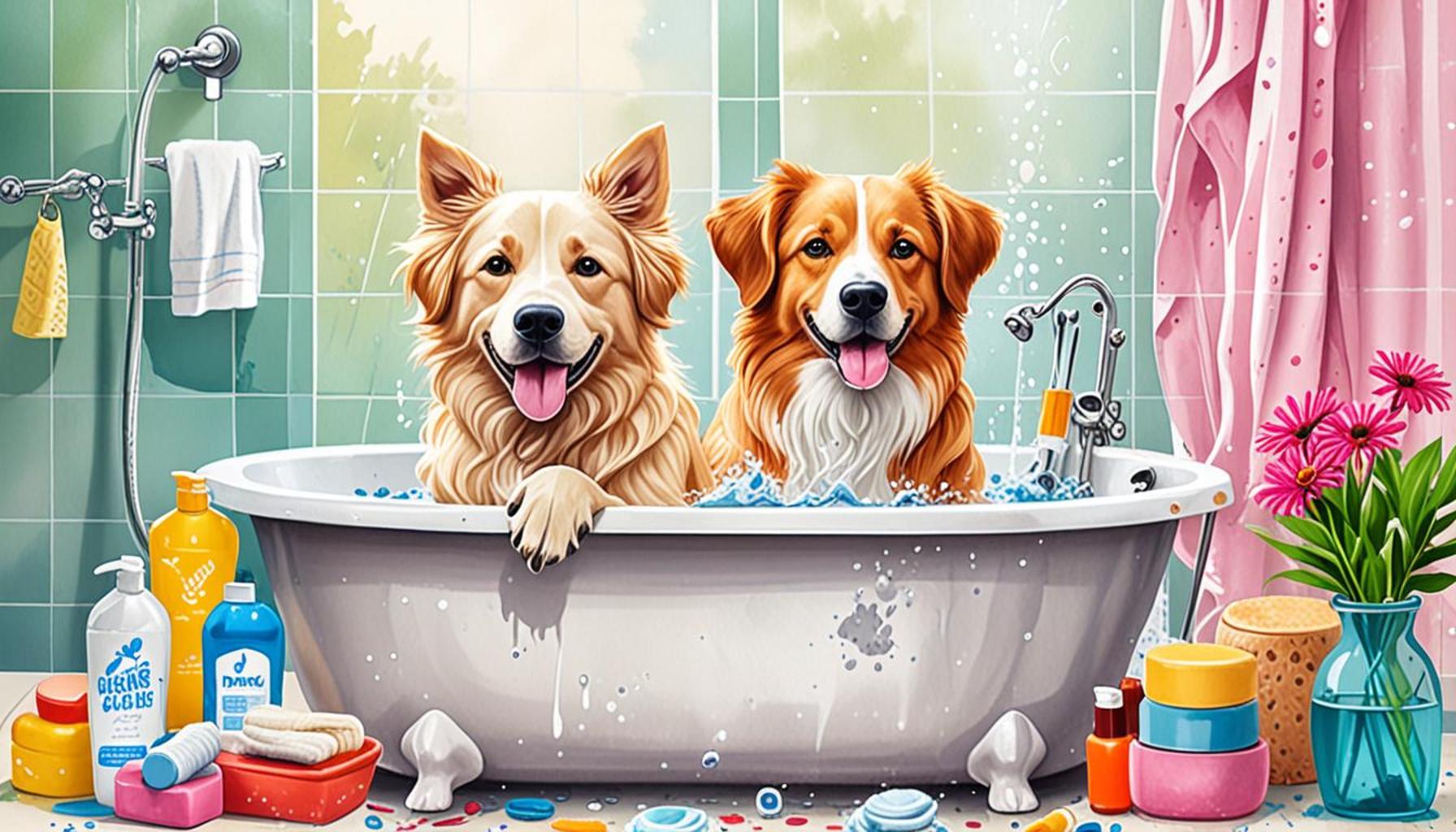
Keeping your furry friend looking and feeling their best often requires more than just regular walks and playtime. A thorough grooming routine plays a crucial role in maintaining their health and happiness. Let’s explore some essential dog grooming tips to ensure your pet shines in every aspect.
Key Areas of Focus
Grooming involves several key areas that deserve special attention:
- Bathing: Regular baths are fundamental for your dog’s hygiene. They help remove dirt, debris, and odors while promoting a healthy coat. However, be cautious; bathing too frequently can strip away essential oils from the skin. Most dogs benefit from a bath every one to three months, but factors such as activity level, coat type, and skin health should dictate the frequency. For example, a Labrador may require more frequent baths than a Shih Tzu, who has a less oily coat.
- Brushing: Brushing is essential for managing shedding and preventing matting. Dogs have different coat types that require specific brushing techniques. For instance, long-haired breeds like the Maltese or Collie need daily brushing to prevent tangles, while short-haired dogs like Beagles may only need weekly brushing. Additionally, brushing can stimulate blood circulation, leading to a healthier coat.
- Nail Care: Regular nail trimming is vital for your dog’s comfort and mobility. Overgrown nails can cause pain and lead to changes in the way your dog walks. Depending on the activity level of your dog, nails may need trimming every three to four weeks. A dog whose nails are kept neat can run and play more comfortably, reducing the risk of injury.
Each of these grooming steps enhances your dog’s appearance while contributing to their overall well-being. For instance, understanding the proper bathing technique, including the type of shampoo that suits your dog’s skin type, is essential for their health. Specialty shampoos are available for sensitive skin, hypoallergenic needs, and even for odor control.
Why Grooming Matters
Good grooming practices offer more than just a polished look for your dog; they provide an opportunity to monitor potential health issues. Consistent grooming can help you:
- Monitor skin conditions and parasites: As you groom, watch for any unusual lumps, bumps, or skin irritations that could indicate allergies, infections, or parasites like fleas and ticks.
- Strengthen the bond between you and your pet: Grooming is a time of closeness and trust-building. Regularly engaging in grooming can create a positive connection that translates into other areas of your dog’s life.
- Create a positive experience for vet visits and handling: Dogs that are accustomed to handling during grooming are typically easier to manage when visiting the veterinarian, making their experience less stressful for both the dog and the owner.
By delving deeper into these essential grooming tips, you’ll be equipped with the knowledge you need to keep your furry family member not only looking great but feeling great too. Taking the time to understand your pet’s grooming needs paves the way for a healthier, happier life. Make grooming not just a task, but a joyful ritual that enhances both your lives.
SEE ALSO: Click here to read another article
Mastering the Art of Dog Grooming
When it comes to dog grooming, understanding the fundamentals can make all the difference in keeping your pet healthy and happy. The three primary components of grooming—bathings, brushing, and nail care—work together to ensure your furry companion not only looks his best but also feels great. Let’s delve deeper into each of these essential grooming practices.
Bathing: The Basics of Cleanliness
Bathing your dog is more than just a way to remove dirt and odors; it’s essential for maintaining skin health. Choosing the right time to bathe your dog can depend on various factors such as outdoor activities, coat type, and breed. Bathing too often can lead to skin irritations, as natural oils are washed away. A good rule of thumb is to bathe your dog every one to three months, while keeping a close eye on their coat condition in the interim.
When bathing, it’s crucial to use a dog-specific shampoo tailored to your pet’s needs. For instance, dogs with sensitive skin can benefit from hypoallergenic shampoos, while those prone to odor may require a deodorizing formula. Here are some tips to help make bath time easier:
- Use lukewarm water: A comfortable temperature prevents stress and makes your dog more relaxed.
- Be thorough in rinsing: Residual shampoo can lead to skin irritation, so ensure that all product is completely washed out.
- Drying techniques matter: Founder a soft towel after the bath, or consider using a blow dryer on a low setting, keeping it at a safe distance.
Brushing: The Key to a Healthy Coat
Brushing your dog regularly not only helps to detangle hair but also eliminates loose fur that might otherwise end up on your floors and furniture. The frequency and type of brushing required can vary significantly between breeds and coat types. Long-haired breeds, for instance, require daily brushing, while short-haired breeds may only need a once-a-week session.
Investing in the right tools is crucial for effective grooming. A slicker brush is excellent for tangles, while a bristle brush works well for short-haired dogs. Additionally, using an undercoat rake can help remove loose fur from dogs with dense coats, such as Huskies. Regular brushing sessions can:
- Reduce shedding: Consistent brushing keeps fur from becoming a constant presence in your home.
- Improve coat condition: Removing dirt and debris contributes to a shiny, clean coat.
- Spot health issues early: While brushing, you can check for bumps, mats, or skin problems that may need attention.
Nail Care: Comfort and Mobility
Nail care is an often-overlooked aspect of dog grooming, yet it’s critical for your dog’s comfort and overall health. Overgrown nails can be uncomfortable, leading to walking difficulties and even injuries. Depending on your dog’s activity level and behavior, nails typically require trimming every three to four weeks.
When it comes to trimming, be cautious not to cut into the quick—the sensitive part of the nail that contains blood vessels. Using a good quality pair of dog nail clippers and a calm approach can make the process less stressful for both you and your dog. For those hesitant about nail trimming, consider the options available:
- Manual clippers: These are the most common type of nail trimmers, and there are various shapes to choose from.
- Dremel tools: These power tools safely grind down the nail, minimizing the risk of cutting into the quick.
Establishing a grooming routine that incorporates proper bathing, brushing, and nail care will not only help your dog look their best but also significantly enhance their quality of life. By making these essential grooming practices a regular part of your pet’s care, you are setting the foundation for a healthier future together.
| Category | Description |
|---|---|
| Bathing | Regular bathing helps maintain a dog’s skin health and removes dirt and odors. |
| Brushing | Brushing actively prevents matting and distributes natural oils for a shiny coat. |
| Nail Care | Keeping nails trimmed is essential for a dog’s comfort and mobility, preventing painful injuries. |
| Skin Protection | Proper grooming helps identify skin issues early, including rashes or parasites, ensuring timely treatment. |
Grooming your dog is not just about aesthetics; it’s a vital part of a dog’s health and well-being. The process of bathing helps to cleanse the skin, removing dander and potential allergens. Utilizing the correct shampoo suitable for dogs is key in avoiding skin irritation. Brushing, on the other hand, is not merely for a pristine appearance but also facilitates a thorough check for ticks, fleas, or other irritants that may affect your furry friend’s health. Lastly, maintaining nail care is crucial; overgrown nails can lead to painful injuries or improper walking, hindering your dog’s mobility. With consistent grooming practices, you can ensure your dog remains not only clean but also healthy.
SEE ALSO: Click here to read another article
Nurturing Your Dog’s Wellbeing Through Grooming
As dog owners, we often see grooming as a necessity rather than an opportunity to bond with our furry friends. However, embracing these routines can transform grooming into a pleasurable experience that nurtures both your dog’s physical health and emotional wellbeing. Let’s explore additional aspects of pet grooming that can enrich your dog’s life and deepen your connection.
The Importance of Ear Cleaning
Many pet owners overlook ear cleaning, but it is vital to prevent infections and discomfort. Dogs, especially those with long ears or those prone to ear infections, require regular checks and cleaning. The frequency can vary; for some breeds, cleaning may be necessary every few weeks, while others might only need it occasionally.
To clean your dog’s ears effectively, use a vet-recommended ear cleaner and follow these steps:
- Choose the right products: Opt for vet-approved ear cleaning solutions formulated for dogs.
- Be gentle: Apply the cleaner to a cotton ball or pad and gently wipe the ear’s inner surface. Avoid inserting anything deep into the ear canal, as this can cause injury.
- Monitor for discomfort: Check for signs of redness, swelling, or a foul odor, which may indicate an infection that needs veterinary attention.
Flea and Tick Prevention
Grooming is also an excellent opportunity to check your dog for fleas and ticks. These pesky parasites can cause significant health issues and lead to various conditions, including Lyme disease. Incorporating flea and tick preventative measures into your grooming routine is vital for your dog’s overall health.
When brushing your dog, take the time to examine their skin closely. Look for signs of fleas or ticks, such as:
- Flea dirt: This resembles small black specks and can usually be found near the base of the tail.
- Ticks: These can be darker and may be firmly attached to your dog’s skin. Remove them with tweezers, pulling straight out to avoid leaving parts behind.
Alongside manual inspections, consult your veterinarian to discuss the most effective preventative treatments. There is a range of options available, including topical treatments, oral medications, and collars designed to repel pests.
Paw Care Beyond Nail Trimming
Many dog owners might think that nail trimming is the only component of paw care—but there’s so much more to it. Regularly inspecting and caring for your dog’s paws is critical, especially for those who enjoy outdoor adventures. Check for foreign objects lodged between the toes, cuts, or abrasions that might have occurred during walks.
Using a paw balm can help protect your dog’s paws from harsh weather elements, such as salt on icy roads in winter or scorching pavement during summer walks. This is not only a form of grooming but also a proactive measure to avoid discomfort for your pet.
Educational Grooming Tools
The right tools can save time and make grooming a more efficient process. For instance, consider using a grooming table, which can help keep your dog at a comfortable height, reducing strain on your back and ensuring your pet feels secure. Additionally, investing in high-quality grooming gloves can help remove loose fur while allowing for a gentle, loving touch. Each session becomes more about connection and care rather than merely maintaining appearance.
Moreover, educational resources, such as grooming classes or online tutorials, can provide pet owners with valuable techniques that boost confidence and knowledge about proper grooming practices. Finding ways to incorporate these tips can turn grooming into a beneficial habit for both you and your dog.
CHECK OUT: Click here to explore more
Conclusion: Creating a Grooming Routine That Works
In conclusion, essential dog grooming tips encompass much more than just a weekly bath or a nail trim; they represent a critical aspect of your dog’s overall health and wellness. By integrating practices such as ear cleaning and flea and tick prevention into your routine, you not only maintain your pet’s cleanliness but also proactively guard against potential health issues. Regular inspections of your dog’s paws, for example, foster an enhanced awareness of their unique needs and prevent discomfort from environmental irritants.
Further, using the right grooming tools and techniques can turn a mandatory task into an enjoyable bonding experience. Embracing educational resources can lift your confidence, ultimately turning grooming into an enriching habit rather than a chore. As you embark on this grooming journey, remember that each session is an opportunity to deepen your relationship with your furry companion.
Finally, just as important as the tools and techniques you choose are the moments of connection that grooming brings. Make your grooming routine a time of gentleness and love, transforming it from a basic necessity into a ritual of care. As you implement these dog grooming tips, you’ll find that your commitment to your pet’s grooming goes hand-in-hand with their happiness and wellbeing, making both you and your dog enjoy every moment of the experience.