Solo Training Prevent Separation Anxiety with Effective Techniques
Understanding Solo Training for Separation Anxiety
Separation anxiety affects millions of individuals, particularly children, but it can also extend to adults facing significant lifestyle changes. Whether moving away for college, starting a new job, or dealing with personal loss, the feelings of unease when apart from loved ones can be overwhelming. It often results in distress, leading to problematic coping mechanisms such as excessive clinginess, avoidance behaviors, or even panic attacks. However, implementing solo training techniques offers a proactive approach to manage these symptoms effectively.
Effective solo training goes beyond merely adapting to being alone; it equips individuals with the essential skills to face their feelings head-on. By engaging in solo activities, one learns to appreciate their own company and reinforces their independence. Here are some key benefits of this approach:
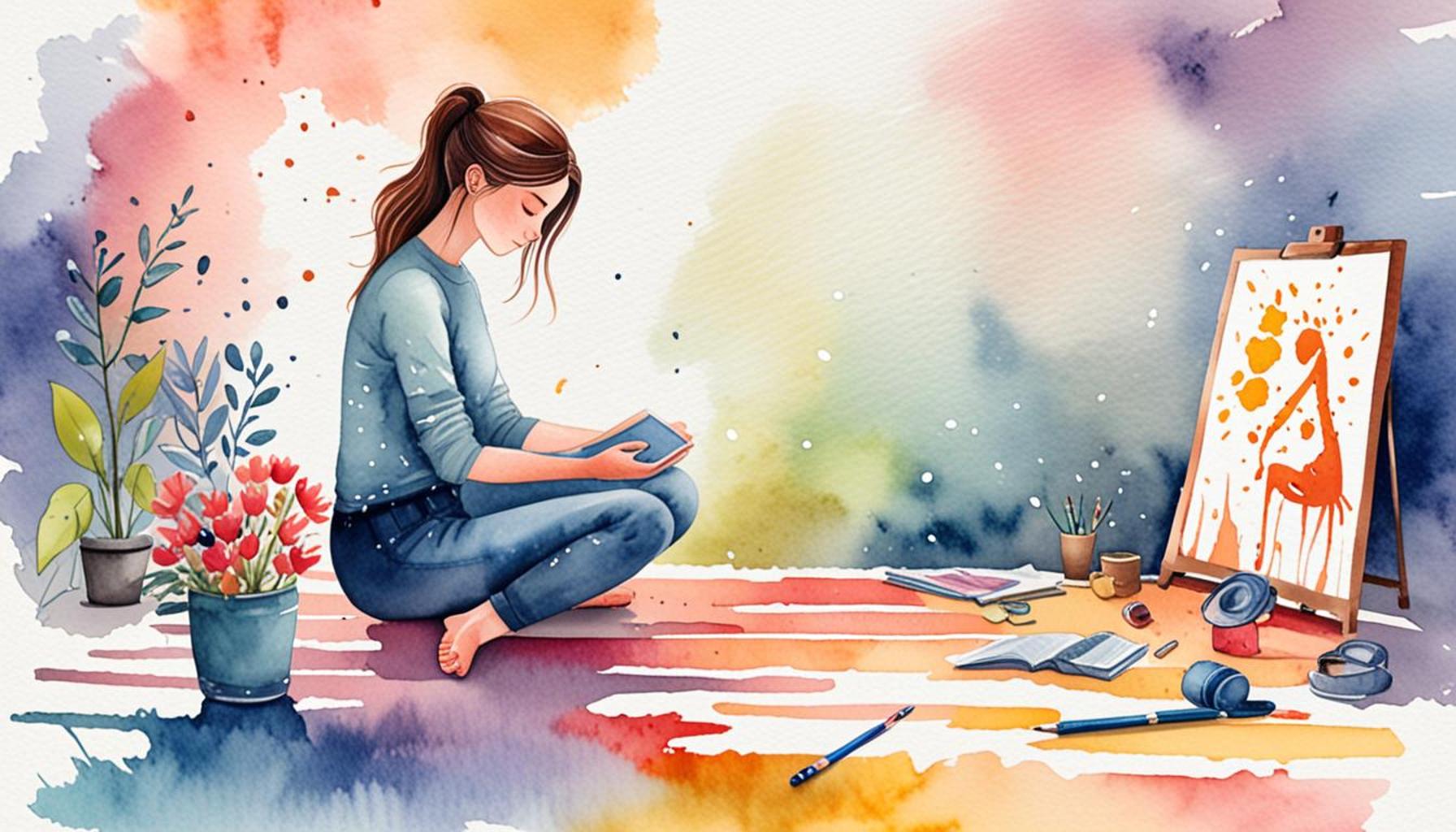
- Increased independence: Solo training encourages individuals to explore hobbies such as painting, reading, or gardening, which strengthens self-reliance and builds confidence in one’s abilities to function independent of others.
- Enhanced coping strategies: Those participating in solo training learn constructive ways to combat feelings of loneliness, discovering mindfulness techniques or breathing exercises for emotional management during solitary moments.
- Better emotional regulation: Engaging in self-reflection and evaluation of emotions during quiet time fosters resilience and prepares individuals to deal with future separations more effectively, minimizing anxiety exposure.
Imagine a young student preparing for college. By practicing solo activities—such as taking a local hike, engaging in journaling, or even practicing a musical instrument—this individual can learn to relax in their own space. Over time, these enjoyable experiences create a negative association with feelings of anxiety and foster a sense of positive anticipation when spending time alone.
Integrating effective techniques is paramount to the success of solo training. For instance, purposeful planning of solo outings can turn it into a fun adventure rather than a daunting task. Exploring local coffee shops or museums alone can facilitate enjoyable interactions with the environment, building comfort in solitude. Additionally, engaging in online communities or forums related to personal interests can offer valuable support and a sense of companionship, even when physically alone.
The journey through solo training can be transformative. Emphasizing joy, discovery, and engagement during these independent practices not only helps alleviate separation anxiety but also empowers individuals to develop a seamless relationship with their independence. Discover the various pathways available for embracing solo training and uncover how these powerful tools can change your experience of being alone.

SEE ALSO: Click here to read another article
Essential Techniques for Effective Solo Training
To combat separation anxiety through solo training, individuals can adopt a variety of techniques tailored to foster individual growth and emotional resilience. Incorporating a structured approach enhances the effectiveness of solo training while providing opportunities for personal exploration and creativity. Here are several methods worth considering:
- Mindfulness Meditation: Practicing mindfulness helps individuals stay present in the moment and reduces overwhelming thoughts related to separation. Dedicating just a few minutes daily to focus on breathing or meditative practices can significantly diminish feelings of anxiety.
- Journaling: Writing down thoughts and emotions in a journal encourages self-reflection and facilitates a better understanding of one’s feelings. This practice allows individuals to document their experiences with solitude, track their emotional evolution, and express gratitude for self-sufficiency.
- Goal Setting: Setting small, achievable goals during solo training strengthens feelings of accomplishment. Whether it’s completing a book, mastering a new skill, or embarking on a self-improvement project, reaching these goals fuels confidence and helps establish independence.
- Outdoor Exploration: Nature has a profound ability to soothe anxiety. Engaging in solo outdoor activities—like hiking, walking in the park, or photography—can invigorate the spirit while providing a refreshing escape. These experiences allow individuals to connect with themselves and the world around them.
- Online Classes and Workshops: With a vast array of resources available through virtual platforms, individuals can explore new subjects, from cooking to painting. These opportunities present a chance for personal development while still fostering a sense of connection through shared interests in a digital environment.
In terms of enhancing emotional regulation, integrating these effective techniques into daily routines can create a safe space for individuals to explore their feelings. For instance, a college student preparing to move away from home may choose to commit daily to solo activities. Over time, this student could build a routine that balances social interactions and personal interests, effectively diminishing their fear of loneliness.
As individuals embark on their solo training journey, it’s essential to remember that each person’s path will be unique. Tracking progress through journaling or reflecting on personal experiences can be helpful in recognizing changes in emotional response to solitude. Additionally, employing a mix of the aforementioned techniques can prevent feelings of isolation, nurture creativity, and empower individuals to embrace independence.
By fostering a positive mindset about time spent alone and embracing the techniques that resonate most, individuals can create an enriching experience that alleviates separation anxiety and enhances overall well-being. The road to becoming comfortable in one’s own company may be challenging, but with commitment and intention, it is indeed achievable.
| Advantage | Description |
|---|---|
| Increases Independence | Solo training encourages pets to engage in self-play and problem-solving, building their independence. |
| Reduces Anxiety Symptoms | Utilizing techniques like gradual desensitization helps minimize anxiety responses, allowing pets to feel more comfortable when left alone. |
| Strengthens Bond with Owner | Focused training sessions help create a trustful relationship between the owner and the pet, improving overall behavior. |
The theme of “Solo Training” presents effective techniques to prevent separation anxiety in pets. By enhancing their independence through training, pets become less reliant on their owners while reducing the symptoms of anxiety. Techniques such as gradual desensitization expose pets to being alone for short periods, which can significantly decrease their fear. Additionally, these training methods not only address anxiety issues but also strengthen the emotional bond between pets and their owners. Owners can cultivate a unique understanding of their pet’s behaviors, leading to healthier interactions and improved overall well-being. Exploring various techniques will unveil the essential aspects of solo training—discover new methods that resonate with your pet’s needs.
SEE ALSO: Click here to read another article
Building Resilience Through Structured Solo Activities
Employing effective techniques for solo training not only helps in preventing separation anxiety but also builds resilience against future challenges. Realizing the potential of solitary activities can empower individuals to develop a positive relationship with their personal space. Here are some additional strategies that can enhance the solo training experience:
- Creative Expressions: Engaging in creative endeavors such as painting, writing, or playing a musical instrument allows individuals to channel their emotions constructively. Creative outlets provide a platform for self-expression, enabling one to navigate complex feelings often associated with separation anxiety. Research indicates that women who engage in regular creative activities report lower stress levels, illustrating the therapeutic power of artistic expression.
- Physical Exercise: Incorporating physical activity into solo training routines is crucial for overall emotional health. Activities like yoga, jogging, or dancing not only release endorphins—our body’s natural mood lifters—but also help redirect focus away from anxiety-inducing thoughts. According to the American Psychological Association, regular exercise can significantly reduce anxiety symptoms and improve mental well-being.
- Volunteering: Participating in volunteer work can lessen feelings of isolation. Even in solitude, working towards a cause reinforces the understanding that individuals can contribute positively to society. Finding opportunities to volunteer online or within one’s community can create a sense of connection and purpose, combating feelings of loneliness.
- Practicing Gratitude: Cultivating a mindset of gratitude helps shift focus away from negative emotions. Maintaining a daily gratitude list encourages individuals to recognize the positives in their lives, making them more resilient and less susceptible to anxiety. Studies suggest that gratitude practices can significantly enhance emotional well-being by reprogramming the brain to focus on what it has rather than what it lacks.
- Limiting Screen Time: While technology can provide a platform for connection, excessive screen time can lead to heightened feelings of loneliness and anxiety. Setting boundaries around device usage can enhance the quality of solo training activities. Prioritizing real-world interactions and experiences over virtual ones supports mental clarity and promotes a healthier mindset.
Learning to embrace solitude involves understanding one’s individual limits and preferences. Adapting these practices into daily life may seem daunting initially, but incremental changes yield significant benefits over time. For example, someone grappling with separation anxiety might start with just ten minutes of creativity or physical activity and gradually build up as they become comfortable.
Moreover, incorporating seasonal or local activities—such as visiting botanical gardens or participating in local workshops—can connect individuals with their surroundings while allowing for personal exploration. These experiences help frame solitude as a productive and fulfilling state rather than a source of distress. In essence, the diverse incorporation of techniques results in an expansive toolkit for managing anxiety, transforming alone time into an opportunity for growth.
As individuals navigate their solo training journey, they may find that a combination of methods leads to optimal results. Remember, the key lies in experimenting with different approaches until discovering what resonates best. With adequate practice and a proactive mindset, solitude will evolve from a source of anxiety into a sanctuary of individual strength and creativity.
CHECK OUT: Click here to explore more
Conclusion: Embracing Solitude for Mental Fortitude
In conclusion, the journey of solo training offers a transformative pathway to not only prevent separation anxiety but also to cultivate a stronger sense of self. By integrating effective techniques such as engaging in creative expressions, maintaining physical exercise, volunteering, practicing gratitude, and managing screen time, individuals can significantly enhance their emotional resilience. These strategies empower individuals to recognize the hidden strength in solitude—allowing it to become a tool for personal growth rather than a trigger for anxiety.
Moreover, embracing solitude provides an invaluable opportunity to foster a deeper connection with oneself, leading to profound self-discovery and improved mental health. Incremental changes can pave the way to substantial improvements over time. It is crucial for individuals to explore various methods and adapt them to their unique needs and circumstances, initiating a journey of self-awareness and emotional stability.
As we navigate increasingly chaotic environments, the ability to find sanctuary in our own company becomes increasingly vital. Future research and personal experiences will likely unveil more techniques to combat loneliness and anxiety, reinforcing the idea that solitude can be a state of strength rather than fear. With the right mindset and commitment, anyone can transform their alone time into a fulfilling and enriching experience that fosters resilience and creativity.