Training Cats Can You Teach Them Tricks and Good Manners
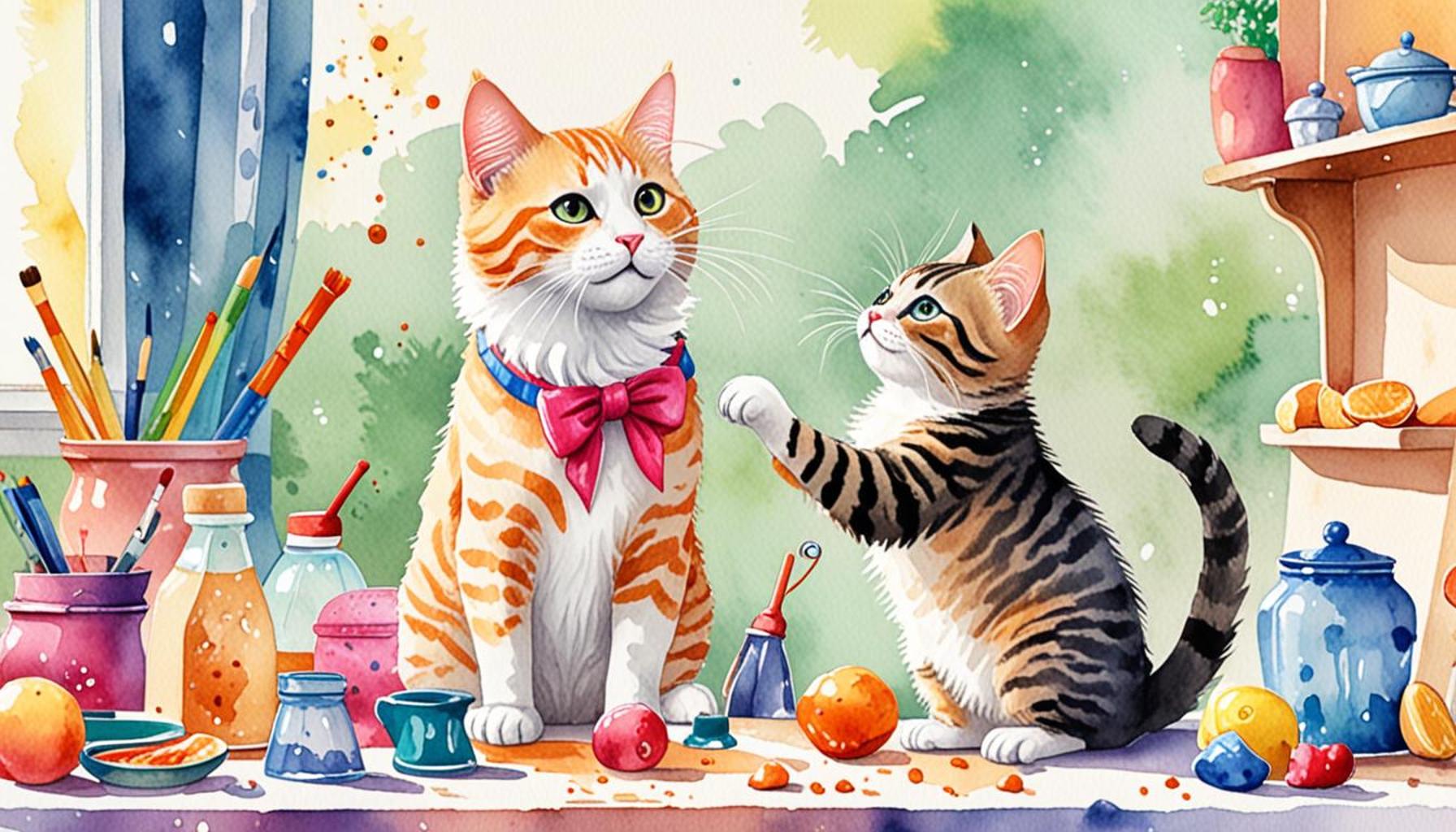
Unlocking the Potential of Your Feline Friend
When it comes to our furry companions, many people assume that cats are too independent to train. However, this couldn’t be further from the truth. With the right approach and techniques, you can teach your cat a variety of tricks and instill good manners that will enhance your relationship. Training not only challenges your cat mentally, but also provides them with stimulating activities that keep them engaged.
Benefits of Training Your Cat
Training offers numerous advantages beyond mere obedience. Consider the following benefits that will improve both your life and your cat’s quality of life:
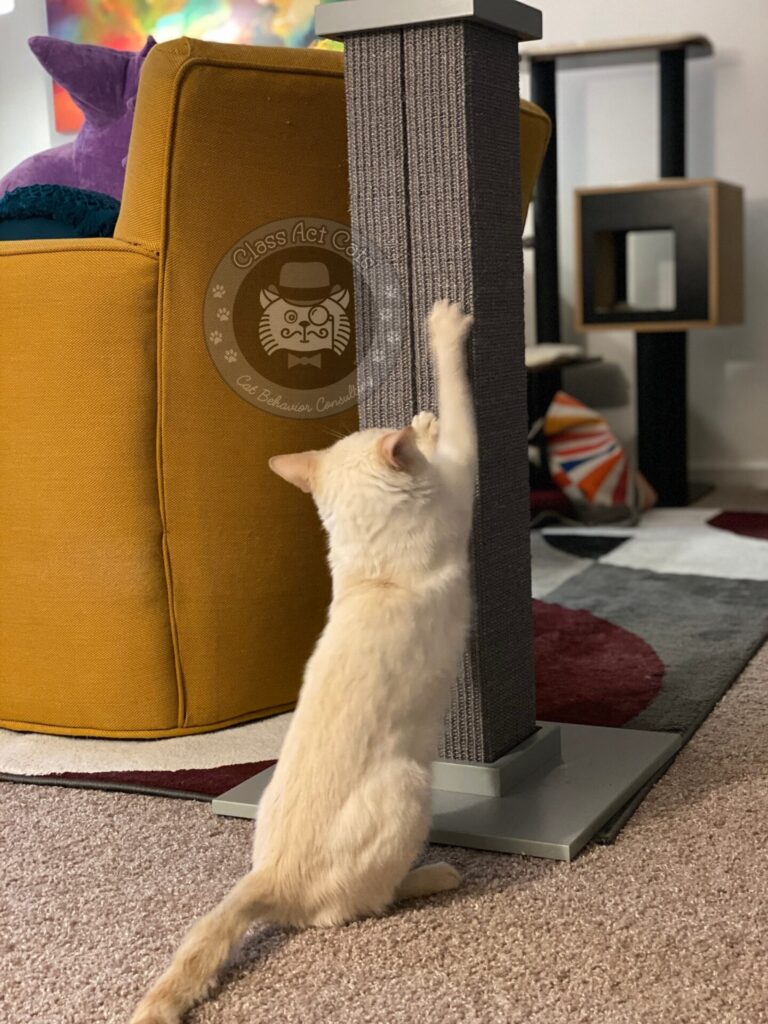
- Improved Behavior: By using positive reinforcement techniques, you can redirect unwanted habits like scratching furniture or excessive meowing. For instance, when your cat uses their scratching post instead of the sofa, offering treats or affection reinforces this desirable behavior.
- Increased Bonding: Training sessions are not merely about agility or obedience; they can deepen your connection with your pet. Spending quality time together creates shared experiences that enhance mutual affection and trust.
- Bond of Trust: Successful training fosters trust between you and your cat. Each time your feline friend learns a new command or trick, they develop confidence in your guidance, allowing for a stronger bond and a more secure emotional environment.
What Your Cat Can Learn
Many cat owners are surprised to learn that their pets can learn commands such as:
- Sit: One of the simplest commands to teach, requiring patience and rewards. Begin by gently encouraging them into a sitting position and using treats for positive reinforcement.
- High Five: An entertaining trick that impresses guests and encourages play. Start by getting your cat to paw at your hand to receive a treat, gradually shaping this behavior into a high-five.
- Come: Essential for keeping your cat safe, especially if they ever slip out the door. Use a consistent tone and call their name while rewarding them when they approach you.
Good Manners Matter
In addition to tricks, educating your cat about good manners, such as litter box usage or scratching etiquette, makes for a more harmonious home. Instead of punishing negative behavior, positive reinforcement can effectively encourage your cat to avoid inappropriate areas and learn where to scratch.
Learning to train your cat can transform your interactions and create a well-behaved companion. Many resources, including books and online courses, offer insights into effective training methods and the psychology behind why cats can be trained, dispelling the myth that training is solely for dogs.
Ready to transform your little furball into a well-mannered companion? Let’s explore the fascinating world of cat training and uncover the possibilities that await! Your relationship with your feline friend may just reach newfound heights, providing both of you with years of joy and companionship.
SEE ALSO: Click here to read another article
Understanding the Training Process
Training your cat is not just a whimsical endeavor; it’s a journey filled with discovery and mutual respect. To begin the training process, it is essential to recognize that cats are highly intelligent creatures, capable of learning a variety of behaviors and tricks through consistent effort and patience. Whether you’re teaching your cat how to “sit” or encouraging them to use their scratching post, understanding their unique learning style is crucial.
Positive Reinforcement: The Key to Success
Unlike traditional training methods that rely on punishment, modern techniques emphasize positive reinforcement. This approach is predicated on rewarding desirable behaviors, which can significantly increase your cat’s motivation to learn. By recognizing what your cat finds rewarding—be it treats, praise, or playtime—you can effectively guide their training. Here are a few essential tips to implement positive reinforcement:
- Timing is Everything: Reward your cat immediately after they perform the desired behavior to create a clear connection between the action and the reward.
- Consistent Cues: Use verbal commands or hand signals consistently for each trick or behavior you’re teaching. A consistent approach helps your cat understand what you expect from them.
- Short, Fun Sessions: Keep training sessions brief—about 5 to 10 minutes—to maintain your cat’s attention. Ending on a positive note encourages them to look forward to the next session.
Challenges You May Encounter
While cats are trainable, don’t be surprised if you encounter some challenges along the way. Cats can be easily distracted or stubborn, which might lead to frustration. Remember not to take setbacks personally; they are simply part of the learning process. Patience and consistency are your best allies in overcoming these hurdles. If your cat appears disinterested or overwhelmed, it might be a signal to scale back the training or switch to a different activity that captivates their attention.
Incorporating training into your cat’s routine can also have lasting effects on their overall behavior. When you dedicate time to engage with your feline friend through structured activities, you not only stimulate their minds but also help alleviate potential behavioral issues born out of boredom or excess energy.
The Importance of a Calm Environment
Creating a conducive environment is paramount when embarking on your cat training journey. A calm, distraction-free space will help your cat focus during training. Sudden noises, other pets, or chaotic surroundings can hinder your cat’s ability to learn. Designate a specific area in your home where training sessions can occur regularly, ensuring it’s free from stressors and interruptions.
By understanding the best practices to train your cat, you’re on your way to not only teaching them tricks but also to nurturing a strong bond built on trust and understanding. Every successful interaction lays the groundwork for a more disciplined and well-behaved furry companion.
| Advantage | Description |
|---|---|
| Enhances Bonding | Training sessions create stronger bonds between you and your cat, fostering trust and mutual respect. |
| Behavior Improvement | Teaching tricks and good manners leads to better behavior, reducing undesired habits like scratching furniture or excessive meowing. |
Through training your cat, you’re not just instilling basic commands but also enhancing their social skills. Understanding commands allows your feline friend to interact better not only with you but also with other pets, making for a harmonious household. Moreover, well-behaved cats are often more welcome in various social settings, enriching both their experiences and yours.Additionally, engaging in a routine of tricks and discipline can significantly stimulate a cat’s mind, promoting mental health and reducing incidences of anxiety or boredom. This cognitive engagement is critical in keeping your cat both physically and mentally agile, as they learn to navigate challenges in a playful environment.Employing techniques such as clicker training or using treats can accelerate learning, making it a fun experience for both pet and owner. Several resources offer dollops of expert advice on how to effectively implement these methods tailored specifically for cats. Embrace this journey and discover the immense rewards that come from sharing a well-trained life with your beloved feline companion.
CHECK OUT: Click here to explore more
Expanding Your Cat’s Repertoire: Tricks and Manners
Once you’ve established a solid foundation for training through positive reinforcement and a calm environment, it’s time to delve into more specific tricks and good manners. Training your cat is not merely a process of obedience; it offers a wealth of opportunities for mental stimulation and strengthening your bond. Let’s explore the fascinating world of feline tricks and their significance.
Essential Manners to Teach Your Cat
Building good manners is imperative for a harmonious home. Several key behaviors can help improve your cat’s interactions with people and other pets:
- Use of the Litter Box: While most cats instinctively use a litter box, ensuring they understand where it is and how to use it efficiently is essential. Reward them each time they use it correctly, especially during training.
- Scratching Appropriately: To protect your furniture, train your cat to use a scratching post. You can achieve this by placing treats and toys near the post. Whenever they scratch the post, reward them with praise or a treat.
- Gentle Handling: Teaching your cat to tolerate handling is crucial, especially for grooming or veterinary visits. Start by gently petting them and rewarding them with treats. Over time, you can progress to touching their paws and other sensitive areas.
Fun Tricks to Charm Your Friends
Once your cat has mastered the basics, you can move on to teach them fun tricks that will not only impress your friends but also keep your cat’s mind engaged:
- High-Five: Start by holding a treat in your hand, close to the cat’s paw. When they reach for it, say “high-five” and reward them. Gradually raise your hand higher as they understand the action.
- Spin: Encourage your cat to spin in a circle by holding a treat close to their nose and moving it in a circular motion. Once they complete the circle, reward them. This trick can become a delightful part of your training routine.
- Come When Called: Building a reliable recall is invaluable. Use a command like “come” followed by their name, and reward them when they approach you. Consistency and patience will help them associate the command with the action.
Common Misconceptions About Cat Training
There are several myths about training cats that can mislead pet owners. One prevalent myth is that cats are too independent to be trained. In reality, their independent nature can be a strength during training, allowing them to learn at their own pace. Cats can be incredibly food motivated, so leveraging this trait effectively can encourage them to engage in training sessions.
Another misconception is that training requires long, tedious sessions. In fact, short and essential bursts of training can be more beneficial for your cat. Just a few minutes throughout the day can lead to significant improvements in behavior without overwhelming your pet.
The Role of Age and Personality in Training
Age and personality play crucial roles in the training process. Kittens are often more adaptable and willing to learn new tricks, making them ideal candidates for early training. However, adult cats can be trained as well; they may just require different approaches, especially if they already have established habits.
Understanding your cat’s personality types—whether they’re playful, shy, or adventurous—can also tailor your training sessions effectively. For instance, some cats thrive on challenge, while others prefer a more leisurely pace. Tailoring your training approach to suit their unique personality will enhance your success rate significantly.
As you explore these avenues, it’s vital to remember that building a strong relationship with your cat through training can lead to a more fulfilling pet ownership experience. Each successful interaction not only fosters trust but also opens doors to a rewarding journey of cohabitation and companionship.
SEE ALSO: Click here to read another article
Conclusion: The Art of Training Your Cat
In conclusion, training cats to learn both tricks and good manners is not only feasible but can also be an incredibly rewarding experience. By embracing positive reinforcement techniques, creating a calm environment, and understanding your cat’s unique personality and age-related needs, you can instill desirable behaviors that enhance their quality of life and your bond.
Remember, essential manners such as using the litter box appropriately, scratching in designated areas, and tolerating gentle handling contribute to a harmonious household. On the other hand, fun tricks such as a high-five or spin can stimulate your cat’s mind and impress friends, proving that training is more than just an exercise in obedience; it’s a means of enriching your cat’s daily life.
Additionally, debunking misconceptions about cat training—like the belief that cats cannot be trained—reveals the reality of their trainable nature, especially when motivated by rewards. Emphasizing that training can be done in short, enjoyable bursts ensures that the sessions remain engaging rather than overwhelming.
Ultimately, every moment spent training can lead to a more fulfilling relationship with your feline companion. By investing time in teaching your cat not only tricks but also manners, you pave the way for a peaceful coexistence and infinite joy in your partnership. So, gather your treats and get ready to embark on this enriching journey of discovery—your cat is waiting to impress you!