Banned Foods for Dogs Cats Why Theyre Dangerous Explained
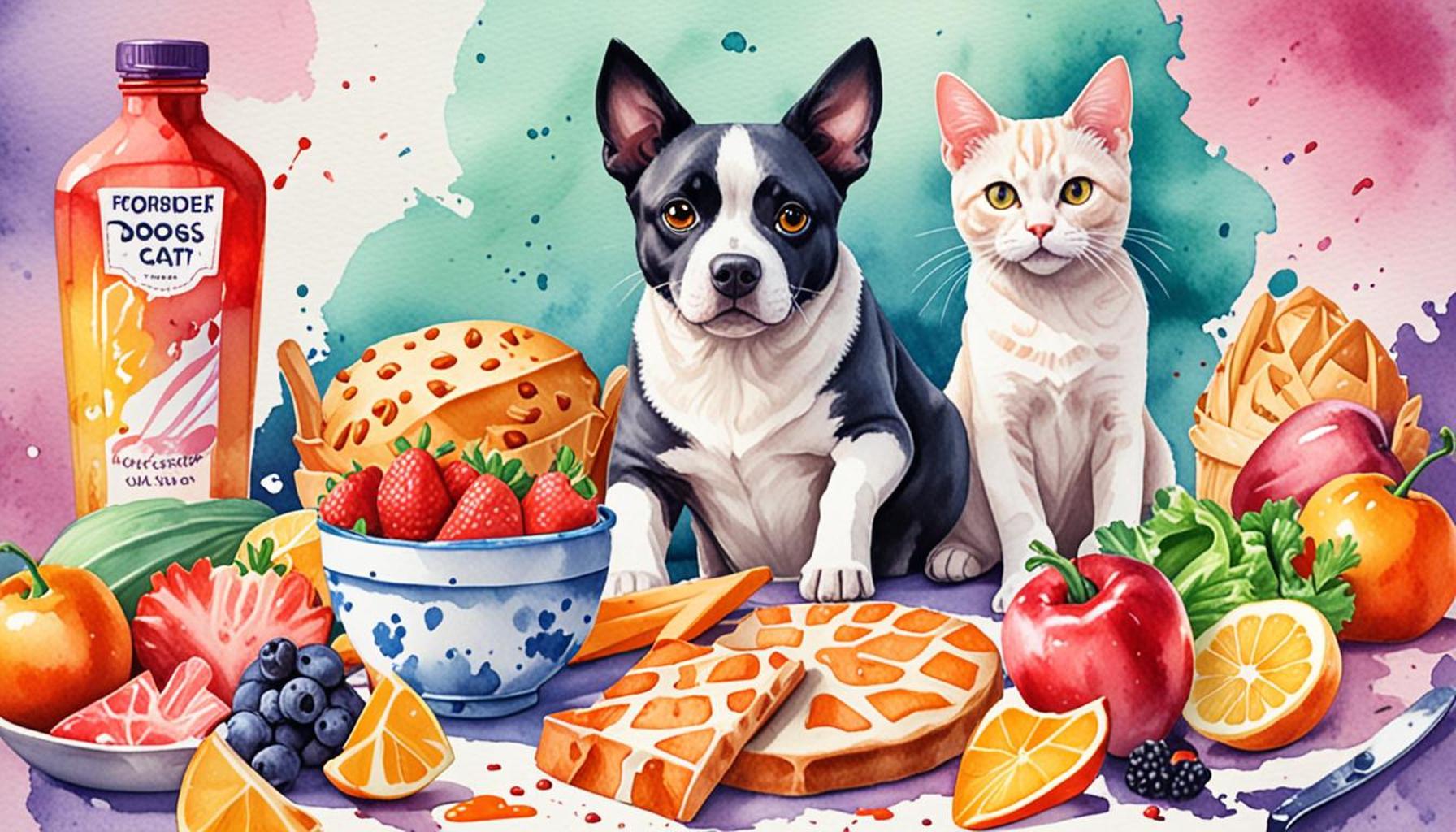
When it comes to our furry friends, many pet owners are aware of the basics of dog and cat care. However, few realize that certain common foods can pose severe health risks to their pets. Understanding which foods are toxic is essential for ensuring their safety and well-being.
The Hidden Dangers on Our Plates
Every year, countless pets are hospitalized due to accidental ingestion of harmful substances. While most pet owners are diligent about providing nutritious meals and treats, many are unaware of the potential dangers lurking in everyday human foods. Knowledge of banned foods not only helps in preventing emergencies but also promotes a healthier lifestyle for our companions.
The Grave Consequences of Ignorance
Feeding a pet a seemingly harmless piece of chocolate or an onion-flavored leftover may seem innocuous, but it can result in dire consequences. For example, chocolate contains theobromine, a compound highly toxic to both dogs and cats, which can lead to vomiting, diarrhea, and even heart failure. Similarly, onions and garlic contain compounds that can damage red blood cells and lead to anemia in pets.
Top 5 Foods to Avoid
In this article, we’ll explore the Top 5 foods that should never be fed to dogs and cats, providing insight into why these items are dangerous and how they can affect your pet’s health. Prepare to uncover crucial information that could keep your beloved animals safe!
- Chocolate: Contains theobromine, leading to nervous system damage and even death.
- Grapes and Raisins: Can cause acute kidney failure.
- Onions and Garlic: Responsible for anemia by breaking down red blood cells.
- Avocado: Contains persin, which is toxic to many animals.
- Alcohol: Can lead to poisoning, affecting the liver and brain.
Staying informed and cautious about your pet’s diet is not merely an aspect of responsible pet ownership; it is a critical measure to safeguard their health. Animal poison control centers and veterinary resources can provide further guidance to ensure you make the best nutritional decisions for your four-legged family members.
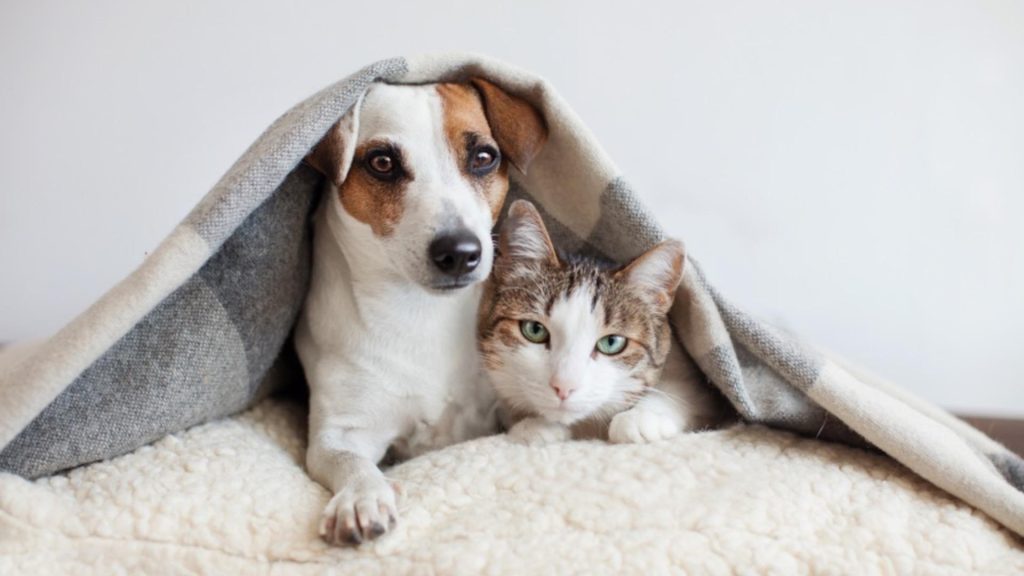
CHECK OUT: Click here to explore more
Top 5 Dangerous Foods for Dogs and Cats and Why They Are Hazardous
When it comes to our beloved pets, ensuring their health and well-being is paramount. While many foods can be beneficial for dogs and cats, others can pose serious health risks. Understanding which foods are prohibited and why they can be dangerous helps pet owners safeguard their furry companions. Here, we examine the top five harmful foods, listed from least to most dangerous.
5. Dairy Products
Dairy products often make their way into the diets of our pets, sometimes intentionally as a treat or unintentionally through leftovers. However, many dogs and cats are lactose intolerant, meaning they lack sufficient lactase, the enzyme needed to break down lactose, the sugar found in milk and dairy products. This intolerance leads to symptoms such as bloating, diarrhea, vomiting, and abdominal cramping. Puppies and kittens, while nursing, can digest lactose, but they lose this ability as they grow older. The transition from tolerating to intolerant can be subtle, leaving pet owners unsuspecting of the sudden digestive upset that cheese, milk, or ice cream might cause.
Moreover, excessive consumption of high-fat dairy products can lead to pancreatitis, a painful and sometimes fatal inflammation of the pancreas. To avoid these complications, it’s best to limit dairy in your pet’s diet, using lactose-free alternatives only if necessary and sparingly.
4. Avocado
This popular superfood for humans, rich in healthy fats, vitamins, and minerals, is not as safe for our pets. Avocado contains persin, a fungicidal toxin which, while largely harmless to humans, can cause trouble in pets. For dogs and cats, ingestion of avocados can lead to vomiting, diarrhea, and in severe cases, myocardial damage due to fluid accumulation around the heart. Bird owners should be particularly cautious, as avocado can be fatal to their feathered friends.
The pit of the avocado poses additional risks. If swallowed, it can cause an obstruction in the digestive tract of pets, which often requires surgery to rectify. As pets are curious beings, keeping avocados—and any potential hazards—out of reach ensures their inquisitiveness doesn’t lead to an unfortunate visit to the vet.
3. Grapes and Raisins
Among the most enigmatic of toxins, grapes and raisins can cause acute kidney failure in dogs and cats, presenting a substantial threat even in minute quantities. Current veterinary science hasn’t pinned down the exact compound that makes these tiny fruits so dangerous, adding an extra layer of mystery and caution.
Symptoms of grape or raisin ingestion can occur within hours and include lethargy, vomiting, diarrhea, and decreased urine production. This list can swiftly expand to acute kidney failure, dehydration, and even death if intervention is not prompt. Immediate veterinary care is recommended at the first suspicion of ingestion, during which activated charcoal may be administered to prevent toxin absorption, and fluids used to support renal function.
2. Chocolate
It’s common knowledge among pet owners that chocolate is a no-go, yet its availability in most homes makes it a persistent threat. Chocolate contains theobromine and caffeine, stimulants that affect the central nervous and cardiac systems of dogs and cats. Unlike humans, pets metabolize these substances much more slowly, allowing harmful quantities to build up in their systems quickly.
Symptoms of chocolate toxicity include hyperactivity, shaking, excessive thirst, and in severe cases, seizures or heart failure. Dark chocolate, cocoa powder, and unsweetened baker’s chocolate hold the highest risk due to their higher concentrations of theobromine. Even small doses can be lethal to pets, necessitating immediate medical attention in suspected cases of ingestion. Preventing access to chocolate, whether during holiday festivities or everyday snacks, is a critical responsibility for pet owners.
1. Onions and Garlic
Often unknowingly introduced into pet diets through leftovers, onions and garlic belong to the allium family, which is toxic to dogs and cats. These pungent ingredients, whether raw, cooked, or powdered, contain compounds that cause oxidative damage to red blood cells, leading to hemolytic anemia. As red blood cells are destroyed faster than they are produced, pets suffer from symptoms like weakness, vomiting, rapid heartbeat, and in severe cases, organ failure and death.
Repeated exposure, even in small doses over time, can accumulate to dangerous levels, making it critical for pet owners to exclude onion and garlic from meals either prepared for or shared with pets. Because of the serious threat they pose, immediate veterinary intervention is critical if ingestion is suspected.
In conclusion, while sharing food with our pets can be an act of love, it’s vital to be aware of what is safe to consume. By avoiding these top five dangerous foods—dairy products, avocados, grapes and raisins, chocolate, and onions and garlic—you can help ensure your furry companions remain healthy and happy. Pet owners are encouraged to always question and verify the safety of any food before offering it to their animals, as an informed approach is essential for the well-being of our beloved pets.
| Category | Characteristics |
|---|---|
| Chocolate | Contains theobromine, which can lead to poisoning, causing symptoms like vomiting, seizures, and even death. |
| Grapes and Raisins | These can cause acute kidney failure in pets, even in small amounts, and the exact toxic compound is unknown. |
| Onions and Garlic | They contain compounds that can damage red blood cells, leading to anemia and other health issues. |
| Xylitol | A sugar substitute that can cause insulin release, resulting in hypoglycemia, liver failure, and potentially fatal consequences. |
Preventing pets from consuming harmful foods is paramount. For instance, chocolate, which many consider a delectable treat for humans, poses a severe risk to pets. Its theobromine content remains undetectable to animal systems, which are incapable of metabolizing it effectively. Even tiny amounts can lead to health crises, including erratic heartbeat and seizures.Similarly, grapes and raisins tell a concerning tale as they are often innocently mistaken for nutritious snacks. The fact that they can trigger kidney failure stands as a stark warning to pet owners. The exact mechanism causing this toxicity is still a mystery to veterinary scientists, adding an extra layer of caution for those with furry companions.Another piece of the puzzle involves onions and garlic, widely known ingredients in many human dishes but deadly to pets. Both can contribute to oxidative damage over time, leading to a state known as hemolytic anemia. This condition requires swift treatment to ensure the well-being of affected animals.Lastly, xylitol, commonly found in sugar-free products, has become an alarming ingredient in households with pets. Even minimal exposure can stimulate an unregulated insulin release, leading to plummeting blood sugar levels and potentially life-threatening situations for pets. Recognition of xylitol’s danger is essential for pet owners, especially when considering products that may contain it. Each food item requires stringent awareness and education for responsible pet ownership.
LEARN MORE: This related article may interest you
Frequently Asked Questions About Foods Prohibited for Dogs and Cats
Are chocolate and caffeine really dangerous for pets?
The allure of chocolate extends to our four-legged friends, yet it poses significant risks. Chocolate contains theobromine, a compound that is toxic to dogs and cats. Unlike humans, pets cannot metabolize theobromine efficiently, leading to symptoms such as vomiting, diarrhea, and even seizures. Caffeine, found in coffee and tea, acts similarly and can cause agitation and irregular heart rhythms. Therefore, it’s crucial to keep these tempting treats out of pets’ reach.
Is it true that grapes and raisins can cause kidney failure in pets?
Yes, even a small quantity of grapes or raisins can lead to severe health issues in dogs and, in rarer cases, cats. Consumption of these fruits can cause acute kidney failure. Symptoms might not manifest immediately but can progress to lethargy, increased thirst, and decreased appetite. The exact mechanism of toxicity remains unknown, making it vital for pet owners to exercise caution and alertness.
What makes raw meat and eggs dangerous for dogs and cats?
Feeding raw meat and eggs to pets can introduce harmful bacteria such as Salmonella and E. coli into their systems, leading to foodborne illnesses which can also be transmitted to humans. Moreover, raw eggs contain an enzyme called avidin, which can interfere with the absorption of biotin, a B vitamin. This deficiency might result in skin and coat problems over time.
Why are onions and garlic harmful to pets?
Onions, garlic, and other members of the allium family can damage the red blood cells in pets, leading to a condition known as hemolytic anemia. Symptoms include weakness, lethargy, and breathing difficulties. Even small quantities, whether raw, cooked, or in powdered form, can have detrimental effects, making it important for pet owners to check ingredient lists when sharing human food.
Can dairy products like milk and cheese upset a pet’s stomach?
While pets may enjoy the taste of milk and cheese, many are lactose intolerant, lacking the enzyme lactase needed to digest dairy products. Consuming these can lead to digestive issues such as diarrhea and upset stomach. Monitoring your pet’s tolerance and consulting with a veterinarian for dietary advice is a prudent approach.
SEE ALSO: Click here to read another article
Conclusion
In summary, the well-being of our beloved pets is intricately tied to what we feed them. Our discussion centered around the dangerous foods for dogs and cats, illuminating the risks associated with seemingly harmless human foods. Many pet owners might not be aware that items such as chocolate, grapes, onions, garlic, and xylitol can pose serious health threats.
Among these, chocolate is particularly notorious due to the presence of theobromine and caffeine, which can lead to serious health issues, including seizures and even death. Additionally, fruits like grapes and raisins can cause kidney failure, while everyday ingredients such as onions and garlic can lead to the destruction of red blood cells. Moreover, the sweetener xylitol, often found in sugar-free products, is capable of causing insulin spikes, leading to seizures and liver failure in pets.
This article underscores the vital importance of being informed and cautious about what we allow our pets to ingest. It is not just about avoiding certain foods but understanding the potential consequences and recognizing symptoms of toxicity. By doing so, we can better protect our furry friends from preventable illnesses.
As responsible pet owners, it is imperative to remain vigilant, constantly updating our knowledge about pet nutrition and safety. This ensures the highest quality of life for our companions. As we conclude, let this be a reminder to prioritize research and consult veterinarians for any dietary concerns regarding our pets. Our pets rely on us for their safety, and it is our duty to provide them with an environment conducive to their health and happiness.