
How to Adjust Pet Nutrition Based on Age A Complete Guide
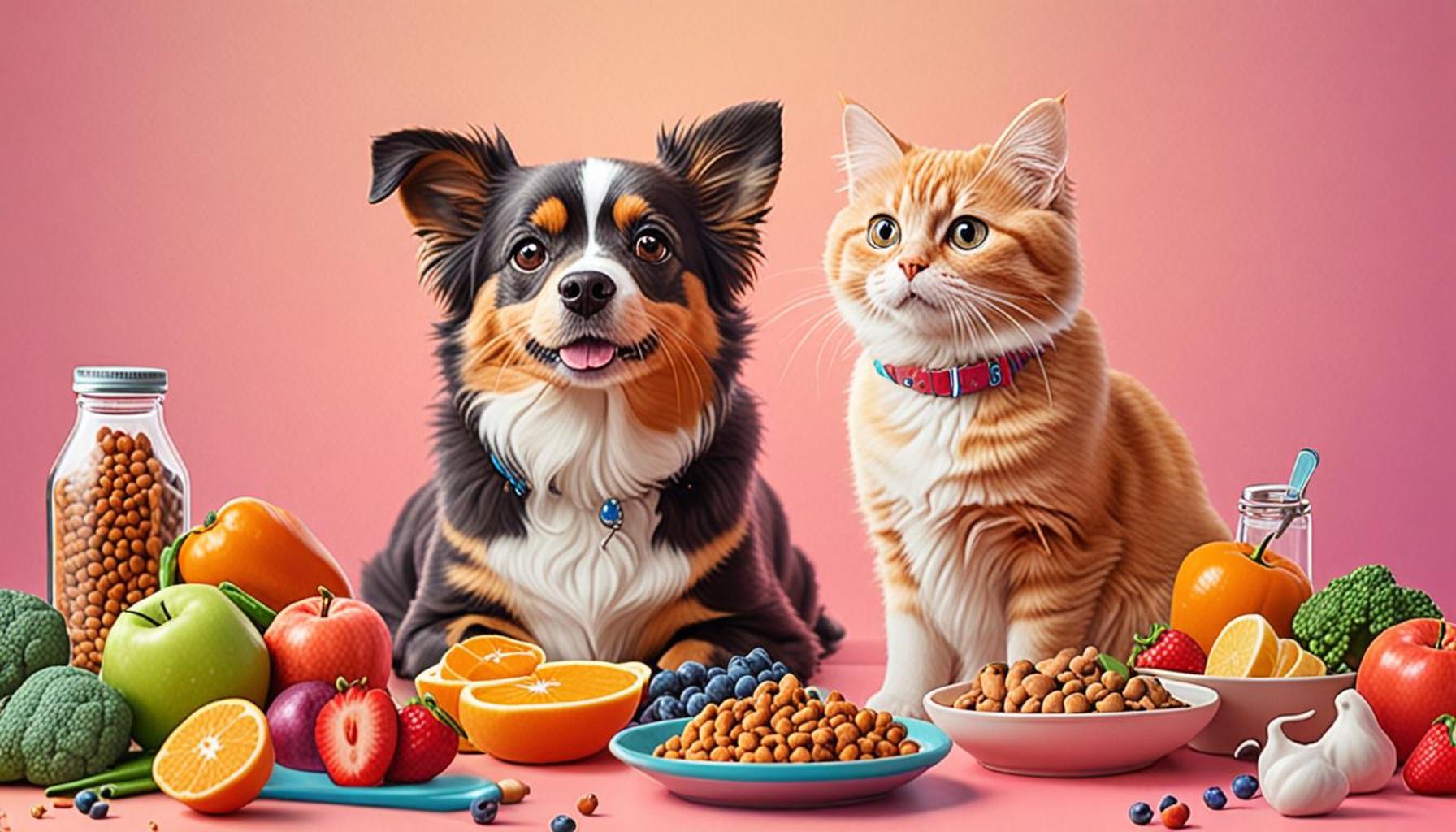
As pets age, their nutritional needs evolve significantly, making it essential for pet owners to adapt their feeding strategies. Understanding these changes is crucial, as a tailored diet can enhance your pet’s health, longevity, and overall quality of life. With the right adjustments, you can ensure your furry companion thrives at every life stage.
Why Age Matters in Pet Nutrition
Age affects not only how much your pet eats but also what they should be eating. Here are some key points to consider:
- Growth Stages: Puppies and kittens require different nutrients compared to senior pets.
- Health Conditions: Age can bring about specific health issues that dietary changes can help manage.
- Metabolism Variations: Older pets often have a slower metabolism, requiring adjustments in portion sizes and calorie intake.
Exploring Your Options
With a plethora of pet foods available, how do you choose the best fit for your furry friend? This article offers insights into the most effective dietary approaches for varying ages, spanning from playful puppies to wise senior pets. Ready to embark on this nutritional journey?
What’s Ahead
In this guide, we will explore the Top 5 Nutritional Strategies to adjust your pet’s diet according to their age. Each strategy will help you cater to their unique needs and promote a lifetime of health.
SEE ALSO: Click here to read another article
Top 5 Tips for Adjusting Your Pet’s Diet According to Their Age
Pets, much like humans, experience changes in their dietary needs as they progress through different life stages. Understanding how to adjust your furry friend’s nutrition based on their age can lead to a healthier, happier life. In this article, we’ll explore five key approaches to ensure that your pet receives the right nutrition at every stage of their life. Let’s delve into it!
5. Monitor Weight and Physical Activity
One of the first steps in adjusting your pet’s diet is to monitor their weight and their level of physical activity. As pets age, their metabolism may slow down, potentially leading to weight gain if their caloric intake is not adjusted accordingly. Younger pets, full of zest and energy, typically have higher activity levels and thus require more calories to sustain their energetic exploits. Regular weighing and maintaining a keen eye on your pet’s activity levels will provide insights into whether dietary adjustments are necessary.
- Weigh your pet regularly to track any changes in their weight. Consistently recording their weight can help identify trends that may indicate a need for dietary adjustments.
- Consult your veterinarian about the appropriate weight ranges for your pet’s breed and age. Veterinarians can provide a more tailored insight into your pet’s ideal weight based on their individual health needs.
- Incorporate daily exercise into your pet’s routine. From playtime with toys to daily walks, exercise helps maintain a healthy weight and promotes overall wellness.
Observing how your pet’s body changes over time, similar to how you might adjust dietary and exercise regimes as humans age, will ensure they remain fit, active, and healthy.
4. Choose the Right Life Stage Formula
Pet food manufacturers produce formulas tailored to various life stages to meet specific nutritional requirements. Puppies and kittens, for instance, require nutrient-dense diets packed with calories, protein, and essential nutrients to support their rapid growth and development. In contrast, adult pets benefit from balanced diets aimed at maintaining sustained energy levels, while senior pets may need foods developed to address age-related issues like joint health and digestive challenges.
Choosing the right food can have profound effects on your pet’s health and longevity. When shopping for pet food, look for specific life stage labels that include:
- Puppy or Kitten food designed for younger pets, offering the additional nutrients necessary for growth.
- Adult maintenance formulas meant to support ongoing health with adequate vitamins and minerals.
- Senior formulas that emphasize joint health, digestive support, and ingredients that bolster immunity because older pets often face such concerns.
When you provide pets with food designed for their specific life stage, you’re aligning with the natural evolving needs of their bodies, helping maintain health and vitality as they age.
3. Focus on Nutritional Balance
As your pet ages, their nutritional needs evolve, and a well-balanced diet remains essential to supporting their overall health. Your pet’s food should include an adequate mix of proteins, fats, carbohydrates, vitamins, and minerals. Particularly for senior pets, seek out ingredients that promote heart health and cognitive function, including antioxidants and omega fatty acids.
The critical role of nutrition in a pet’s longevity cannot be overstated. Each bite they take contributes to their overall health, and thus careful consideration should be given to the nutritional quality of their food. Consider the following tips to maintain nutritional balance:
- Read food labels to understand the nutritional content. Familiarizing yourself with ingredient lists can help ensure you’re selecting the best options available.
- Incorporate variety into the diet while maintaining balance. Offering different types of proteins or mixing in healthy vegetables can provide nutritional diversity.
- Consider using supplements if advised by your veterinarian. Fish oil for healthy coats or glucosamine for joints can support specific health needs.
Ultimately, aiming for a diet that supports rather than depletes can help your pet enjoy their later years with vigor.
2. Adjust Portion Sizes
Understanding your pet’s ideal portion size is crucial for maintaining a healthy weight and preventing obesity, which can lead to various chronic health problems. Portion sizes can vary significantly depending on your pet’s age, weight, and activity level. As pets age and become less active, their caloric needs may decrease, prompting the need to adjust portion sizes accordingly. On the other hand, growing puppies and kittens will require larger portions to sustain their development.
Following portion sizes recommended on pet food packaging can serve as a starting point, but these guidelines may often need personalization. Deploy the following strategies to adjust portions effectively:
- Measure about portions instead of free-feeding. Controlled feeding helps prevent overeating and allows for precise adjustment of their diet.
- Adjust servings based on age and activity level. By observing changes in your pet’s behavior or energy levels, you’ll know when to tweak their meal sizes for optimal health.
- Consult with your veterinarian for personalized recommendations. Only veterinarians can provide guidance based on your pet’s overall health status and specific dietary needs.
Customizing portion sizes is a proactive measure to enhance dietary effectiveness, ensuring your pet receives just the right amount of nutrition without excess.
1. Consult with Your Veterinarian Regularly
The most fundamental tip in adjusting your pet’s diet according to their age is to consult with your veterinarian regularly. Your vet can provide invaluable guidance tailored to your pet’s health status, weight management, and specific needs. Regular veterinary check-ups allow for early identification of any health issues that may require dietary adjustments.
Don’t wait for problems to arise; proactively engage with your vet about:
- Allergies or sensitivities that may develop over time. Dietary needs may change as your pet matures, and new allergies can emerge.
- Health concerns specific to your pet’s breed or age. Certain breeds are predisposed to specific ailments that can require personalized nutrition management.
- Optimal diet changes as your pet ages. Regular updates ensure diet reflects any new health developments.
Veterinary advice, grounded in professional knowledge and your pet’s health history, is an invaluable resource that can guide dietary choices to support your pet throughout their life.
In summary, understanding the nuances of your pet’s nutritional needs can lead to better health outcomes as they age. Start by assessing their weight and activity level, choose the right food formulas, maintain nutritional balance, adjust portion sizes, and most importantly, keep the conversation open with your veterinarian. The right dietary adjustments ensure your pet enjoys not just a longer life, but a more vibrant and fulfilling one. Consider delving deeper into resources on pet nutrition for a more comprehensive understanding of how best to support your beloved pet’s health across their lifespan.
| Category | Details |
|---|---|
| Puppies | Puppies require a nutritionally dense diet rich in protein, fats, and essential vitamins. Their growth rate is rapid, needing approximately 2 to 3 times more calories than adult dogs. |
| Adult Dogs | Adopting a balanced diet for adult pets is crucial. Nutritional needs vary; factors include breed size, activity level, and overall health. Protein should still be a primary focus, but calorie intake must be moderated to prevent obesity. |
| Senior Dogs | As dogs age, metabolism slows down, and their dietary needs change accordingly. Older dogs often benefit from easily digestible food that is lower in calories but high in fiber for better gastrointestinal health. |
| Special Dietary Needs | Certain pets may require special diets due to allergies or health issues. Consulting a veterinarian is essential to tailor meal plans that address specific conditions, ensuring pets receive the appropriate nutrients without harmful ingredients. |
Understanding how to adjust the diet of pets according to their age is crucial in promoting a healthier life. Dogs, for instance, have unique nutritional demands at different stages of their lives, and owners must be equipped with the knowledge to cater to these needs effectively. For puppies, the early months of life are pivotal for development; their food should promote strong bones and muscles. Transitioning to adult food too soon can hinder their growth, making timely dietary adjustments imperative. Adult dogs still require a focus on protein but should also include healthy fats to maintain their energy levels as they engage in various activities. As dogs transition to their senior years, their diet becomes even more important. An older dog’s decreased activity levels may lead to weight gain if their food intake is not adjusted accordingly. Increased fiber in their diet not only promotes better digestion but can also prevent obesity-related health challenges. Consulting with a veterinarian can provide the best insights into dietary adjustments, especially when it comes to any health conditions or allergies that a pet may develop. Such proactive measures ensure a fulfilling life for our furry companions while preventing potential dietary-induced ailments. Being informed empowers pet owners to create tailored meal plans that foster longevity and health, transforming how they nourish their beloved pets through all life stages.
ADDITIONAL INSIGHTS: Expand your understanding here
Frequently Asked Questions: Adjusting Your Pet’s Diet According to Age
How does a pet’s dietary need change as they grow older?
As pets age, their dietary needs evolve significantly. Puppies and kittens require high-calorie diets rich in proteins and fats to support rapid growth and development. In contrast, adult animals benefit from balanced nutrition that maintains their energy levels and overall health. As pets enter their senior years, their metabolism slows down, necessitating fewer calories but often more fiber and certain vitamins and minerals to support joint health and digestion. Regular consultations with a veterinarian can ensure your pet’s nutritional plan adapts to their changing needs.
What are some signs that my pet’s diet might need adjusting due to age?
Indicators that an adjustment is necessary often include changes in body weight, coat condition, or energy levels. A sudden gain or loss in weight can signal that the current diet is not aligned with your pet’s age and metabolism. Additionally, if your pet’s fur becomes dull or brittle, or if their playfulness diminishes, it may be time to reassess their nutritional intake. Observing these signs and consulting with a veterinarian will help tailor the diet effectively.
Are there specific ingredients important for older pets?
Yes, older pets tend to benefit from diets that include ingredients aiding antioxidative defense, like vitamins E and C. Foods enriched with Omega-3 fatty acids can help maintain a healthy coat and support joint health. Additionally, ingredients that support gastrointestinal health, such as probiotics and dietary fibers, are crucial for an aging pet’s digestive system. Nutrient adjustments should be made progressively and under the guidance of veterinary experts.
YOU MAY ALSO LIKE: Read this other article
Conclusion: Tailoring Pet Nutrition for Lifelong Health
Adapting a pet’s diet based on their age is not just a recommendation; it’s an essential practice to support their health and well-being throughout their lifetime. Each life stage, from a playful puppy or kitten to a mature senior, demands specific nutritional adjustments to address evolving needs. As discussed, understanding these stages and making informed dietary choices can lead to a healthier, happier pet.
Beginning with young pets, the emphasis is on growth and development, requiring balanced and nutrient-rich meals. As pets transition into adulthood, the focus shifts to maintaining a healthy weight and supporting their active lifestyle. For senior pets, tailored diets help manage age-related issues such as joint health and energy levels, ensuring that they continue to enjoy a quality life as they age.
To implement these changes effectively, pet owners should work closely with veterinarians to craft a diet that meets their pet’s unique requirements. Regular check-ups and nutritional evaluations are crucial, as they provide insight into whether the current diet is effectively meeting the pet’s needs. Moreover, ensuring an adequate intake of water, healthy treats, and monitoring portion sizes play a vital role in maintaining optimal health across all ages.
In summary, adjusting a pet’s diet according to their age is a dynamic process that requires continuous attention and dedication. Gaining a deeper understanding of how dietary needs change over time can empower pet owners to make informed decisions, contributing to the longevity and overall well-being of their furry companions. Educating oneself and staying informed about the latest nutritional insights can further enhance this journey, promising a healthier future for our beloved pets.