How to Train Your Pet to Accept Grooming and Body Handling
The Importance of Grooming for Your Pet
Pet grooming is often mistakenly perceived as a simple cosmetic routine. However, it extends beyond mere appearances, encompassing a plethora of health and psychological benefits that can significantly enhance the well-being of your furry friend. Many pet owners might encounter the difficulty of getting their pets accustomed to grooming, which can foster tension in both parties. Understanding the nuances of why grooming is essential can transform this challenge into a rewarding experience.
Why Grooming Matters
Engaging in regular grooming practices serves several critical purposes that can improve your pet’s quality of life:
- Health Benefits: Regular grooming can aid in preventing skin issues such as matting and infection. For instance, long-haired dog breeds like the Maltese or the Persian cat require frequent brushings to reduce the risk of skin irritations and to spot potential issues like parasites or lumps. Furthermore, brushing helps remove dead hair and reduces shedding in the home, creating a cleaner environment.
- Bonding Time: Grooming is an excellent opportunity to create a connection between you and your pet. Just as a mother cat licks her kittens, grooming strengthens the human-animal bond. This close interaction can help your pet feel more comfortable with being handled, ultimately fostering trust and affection.
- Behavioral Training: Acclimatizing your pet to grooming promotes proper behavior and enhances their social skills. For instance, pets that are regularly groomed often exhibit less anxiety and are typically more comfortable interacting with strangers. This is particularly beneficial when taking pets to the veterinarian or boarding facilities.
Building a Positive Experience
Successful grooming starts with instilling positive associations in your pet’s mind. The following strategies can provide a smoother introduction to grooming:
- Start Early: If possible, introduce grooming to puppies and kittens as early as 8 weeks old. This early exposure establishes a routine and conditions them to accept being brushed, bathed, and handled without apprehension.
- Positive Reinforcement: Utilize treats, toys, or verbal praise to motivate your pet during grooming. For example, offering their favorite biscuit during a brushing session can create a positive feedback loop, making grooming a treat rather than a chore.
- Short Sessions: For initial grooming encounters, keep sessions short, around 5-10 minutes. This approach prevents overwhelming your pet and allows them to gradually adjust to the process over time.
Implementing these strategies will pave the way for a successful grooming process, establishing an environment of trust and comfort. Moreover, viewing grooming as an integral part of pet care allows owners to foster a happier and healthier pet. With the right approach, grooming can become a cherished ritual that deepens the bond between you and your companion. Ready to transform grooming time into a positive experience? Dive into these techniques and watch how they revolutionize your relationship with your furry friend!
SEE ALSO: Click here to read another article
Understanding Your Pet’s Perspective
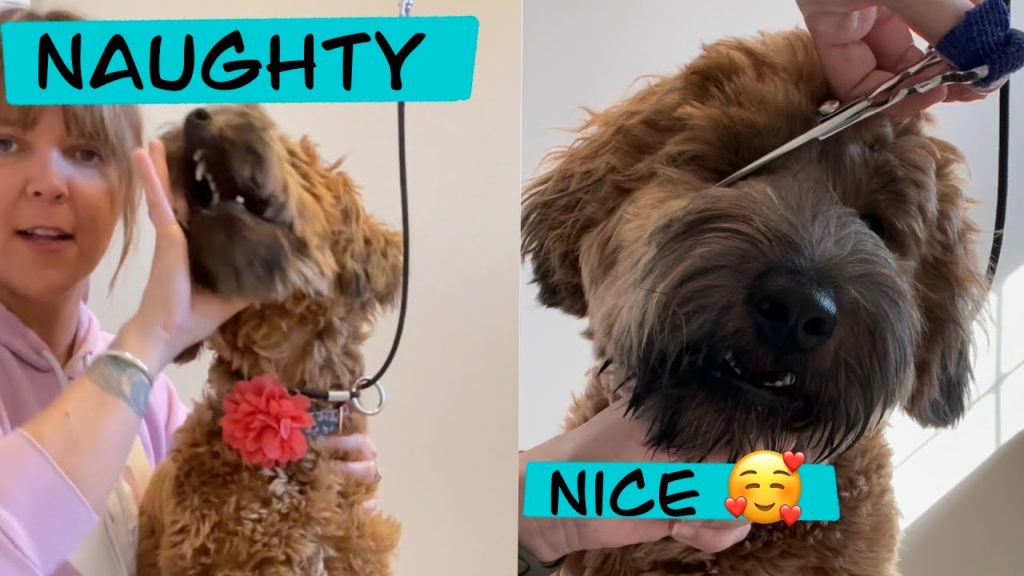
To effectively train your pet to accept grooming and body handling, it is imperative to understand their perspective. Pets, much like humans, have varying degrees of comfort when it comes to physical touch and unfamiliar experiences. Recognizing body language and emotional cues can help identify what your pet is comfortable with and where their boundaries lie.
Interpreting Body Language
Being attuned to your pet’s body language is vital in making grooming a positive experience. Some signs may indicate stress or discomfort, while others could indicate curiosity or enjoyment. Key signals to observe include:
- Tail Position: A high and wagging tail typically reflects happiness, whereas a tucked tail might signal fear or anxiety.
- Ear Position: Ears that are perked up can indicate alertness or interest, while flat ears suggest insecurity or apprehension.
- Vocalizations: Whining or growling may mean your pet is uncomfortable, whereas purring or gentle whining can show contentment.
By familiarizing yourself with these indicators, you can better gauge how your pet is responding during grooming sessions. This understanding can help you adjust your approach accordingly, ensuring a more relaxed atmosphere.
Gradually Introducing Grooming Tools
For many pets, grooming can be an overwhelming experience due to the unfamiliarity of the tools involved. To minimize anxiety, it is essential to gradually introduce these tools in a manner that fosters acceptance:
- Let Them Explore: Present grooming tools, such as brushes and clippers, to your pet without immediately using them. Allow them to sniff and investigate at their own pace.
- Use Visual Cues: Leverage positive visual associations by showing your pet the grooming tools alongside their favorite toys or during playtime.
- Start With Light Touch: Begin by lightly touching your pet’s body with the brush or comb without actually grooming. This desensitization method helps them get used to the sensation and can build trust.
Taking these gradual steps can facilitate a smoother introduction to grooming tools, making them less threatening in your pet’s eyes.
Establishing Routine
Predictable routines are essential for easing your pet into the grooming process. By incorporating grooming into daily or weekly rituals, your pet can begin to see it as a normal part of their life.
- Consistent Timing: Choose a specific time of day for grooming, such as after walks or play sessions, when your pet is already relaxed.
- Repetition Is Key: Regularly engaging in grooming, even for just a few minutes, helps reinforce the behavior, making them more familiar with the process.
- Incorporate Play: Mix in playtime with grooming to keep the atmosphere light and enjoyable, thereby reducing any anxiety associated with the experience.
By developing a consistent grooming routine, your pet is more likely to accept these sessions, transforming them from a source of stress into an anticipated part of their schedule.
| Tip | Details |
|---|---|
| Start Early | Introducing grooming at a young age helps your pet form a positive association with the process. |
| Use Treats | Rewarding your pet with treats during grooming helps reinforce good behavior and creates a calm environment. |
| Be Gentle | Gentle handling minimizes stress for your pet; a calm approach can significantly improve acceptance. |
| Create a Routine | Establishing a consistent grooming schedule helps pets become familiar with the process and reduces anxiety. |
| Monitor Body Language | Understanding your pet’s body language can help you identify signs of stress or discomfort during grooming. |
Understanding your pet’s needs and feelings during grooming sessions is crucial. By following these tips, you create a more positive grooming experience that benefits both you and your pet. Training them to accept grooming not only promotes hygiene but also enhances their well-being and strengthens your bond.
CHECK OUT: Click here to explore more
Creating Positive Associations with Grooming
While understanding your pet’s perspective lays the groundwork for successful grooming experiences, creating positive associations is the next crucial step in training your pet to accept grooming and body handling. By framing grooming as a rewarding experience, you increase the likelihood that your pet will not only tolerate but also enjoy the process.
Utilizing Treats and Rewards
One of the most effective ways to cultivate a positive environment around grooming is through the use of treats and rewards.
- Immediate Rewards: Present treats immediately after successful grooming touches. This reinforces the behavior and helps your pet form a connection between grooming and positive outcomes.
- High-Value Treats: Use special treats that your pet does not receive regularly. This could be small pieces of chicken or cheese, enhancing the incentive to cooperate during grooming sessions.
- Clicker Training: If you utilize clicker training, a distinct sound like the click can also be paired with treats during grooming. This sound effectively communicates good behavior, further solidifying that grooming is a favorable activity.
By integrating treats and rewards into the grooming process, you can transform what was once seen as a daunting task into an enjoyable experience for your pet.
Maintaining a Calm Environment
A serene grooming environment can drastically reduce stress and fear in pets. You must create a space that feels safe and comforting. Consider the following:
- Choose the Right Location: Pick a quiet area in your home where distractions are minimized. This familiar space helps to soothe your pet’s nerves.
- Use Soft Lighting: Bright lights can be intimidating. Having ample natural light or subdued artificial lighting can foster a tranquil atmosphere.
- Keep it Brief: Start with short grooming sessions. Gradually extend the time as your pet becomes more comfortable. Less is often more when dealing with a fearful pet.
These steps help maintain a calm and reassuring environment that encourages acceptance during grooming activities.
Involving Family Members
Engaging family members in the grooming process can also foster acceptance in pets. Different voices, gentle handling, and varied techniques help to create a more positive experience, as pets often react better to familiar hands. Here are some ways to engage:
- Team Effort: Have one person gently hold the pet while another engages in grooming. This creates a sense of security through companionship.
- Rotate Responsibilities: Allow different family members to take turns with grooming. This not only alleviates stress for the pet but helps them associate grooming with various familiar faces.
- Training Sessions as Bonding Time: Use grooming sessions as opportunities for bonding or petting. The more your pet associates grooming with quality time members, the more they’ll enjoy it.
By weaving family dynamics into the grooming routine, pets can grow to trust the entire process more comprehensively.
Knowing When to Seek Professional Assistance
While many pets can learn to accept grooming at home, some may require additional help. If your pet shows excessive fear or aggression towards grooming, it may be wise to consult with a professional trainer or a groomer experienced in handling anxious animals. They can provide specialized techniques tailored to your pet’s unique temperament. Moreover, a veterinarian may also suggest suitable grooming options based on your pet’s specific needs and comfort levels.
By staying informed and proactively working to shape positive grooming experiences, pet owners can ensure their furry companions feel secure and accepted throughout their grooming journeys.
SEE ALSO: Click here to read another article
Conclusion: Building a Grooming Relationship
Training your pet to accept grooming and body handling is not just about maintaining their appearance; it’s about nurturing a trusting relationship that enhances your bond. As we’ve discussed, the journey begins with understanding your pet’s perspective, creating a stress-free environment, and introducing grooming as a positive, rewarding experience. Using treats and engaging family members play vital roles in fostering acceptance, while maintaining a calm atmosphere can significantly alleviate anxiety for your pet.
Moreover, recognizing when your pet might need professional help can make all the difference in alleviating their fears and ensuring a pleasant grooming experience. Whether you opt for veterinary advice or consult a professional groomer, embracing a tailored approach to your pet’s specific needs is paramount. Remember, patience is key; many pets may take time to adjust to grooming routines, but with consistency and gentle encouragement, most can learn to associate grooming with love and care.
Ultimately, by integrating these methods into your grooming sessions, you not only contribute to your pet’s well-being but also foster a cooperative spirit that transcends grooming. Take this opportunity to explore the depths of your relationship with your pet, and you may find that these grooming experiences become cherished moments of connection, making life even more enriching for both you and your furry friend.