
Essential Care Tips for Short-Snouted Pets Brachycephalic
The Allure of Brachycephalic Breeds
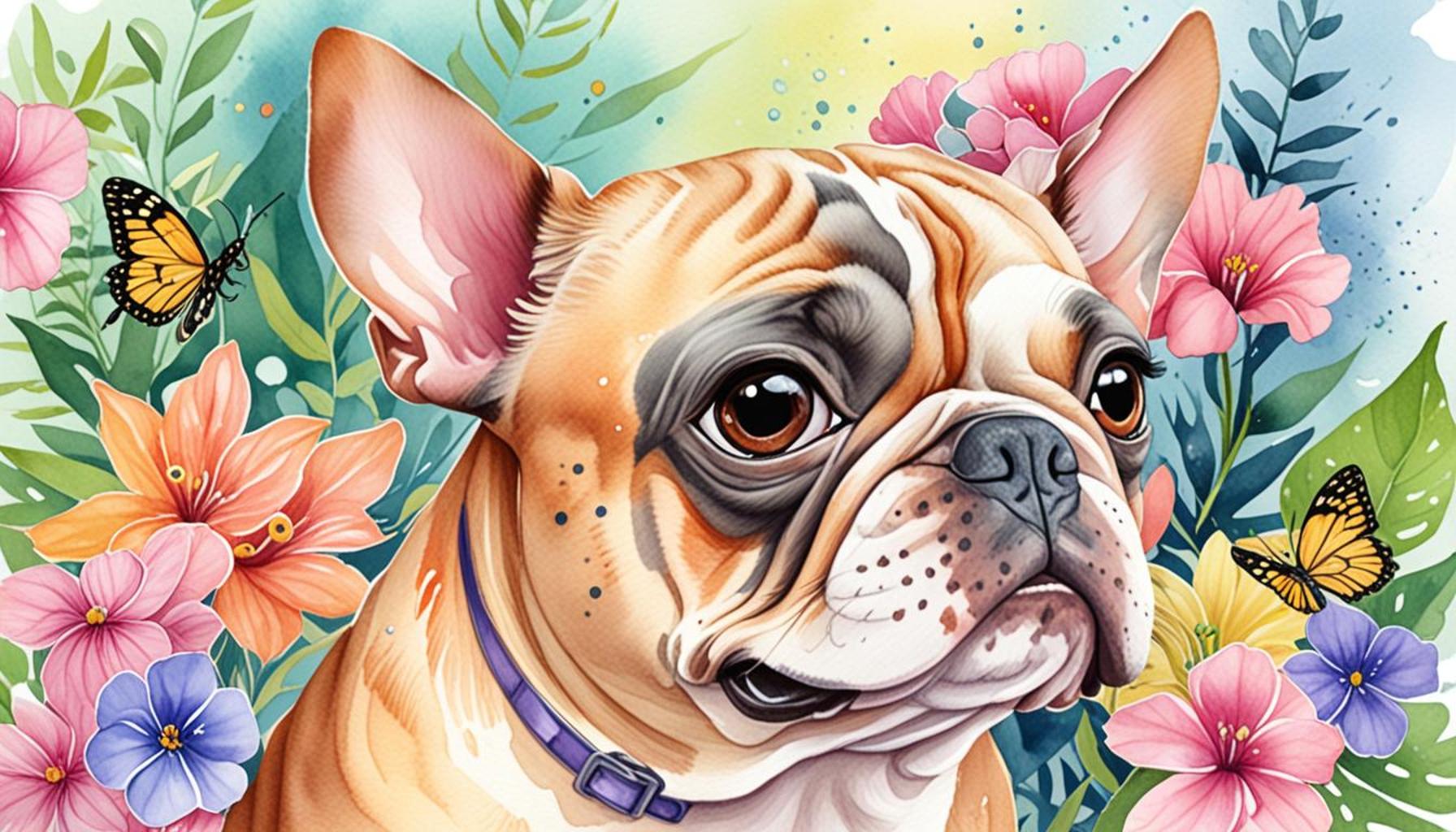
Short-snouted pets, known as brachycephalic breeds, have captured the hearts of many dog and cat lovers with their distinctive features. Breeds like the French Bulldog, Pug, Boston Terrier, Shih Tzu, and Bulldog boast charming, flat faces and large, expressive eyes, making them highly sought-after companions. However, pet owners must recognize that their appealing appearance is complemented by a range of specific health challenges that can affect their quality of life.
Identifying the Unique Needs of Brachycephalic Pets
Understanding the specialized requirements of your brachycephalic pet is essential to ensuring they lead a long and fulfilling life. The unique skeletal structure of these breeds can lead to significant health concerns. Perhaps the most critical issue is their breathing difficulties. Due to their shortened airways, brachycephalic pets often struggle with respiratory problems, especially in hot or humid conditions. This can be further exacerbated during exercise. For instance, owners should be vigilant about avoiding strenuous activities during peak heat, as even a simple walk can lead to overheating.
Furthermore, the facial structure of these breeds can contribute to various dental problems. Their compact jaw structure often leads to overcrowded teeth, meaning daily dental hygiene is crucial. Regular brushing and check-ups with a veterinarian can help mitigate issues like periodontal disease, which is common among these breeds.
In addition to breathing and dental issues, brachycephalic pets are also prone to skin conditions. Wrinkles and folds, particularly in breeds like the Bulldog and Shih Tzu, require regular cleaning to prevent infections. Pet owners should make it a habit to gently wipe away debris from these areas using a soft cloth to keep their furry friends comfortable and healthy.
Tips for Caring for Your Brachycephalic Companion
As a responsible pet owner, implementing proactive care strategies is vital. This includes maintaining a healthy weight through a balanced diet to prevent additional stress on their respiratory system. Regular check-ups with a veterinarian are crucial for early detection of health issues. You might consider investing in a harness instead of a collar to reduce strain on their neck during walks, and ensure they have a cool, comfortable environment at all times.

In summary, understanding the special needs of brachycephalic pets allows owners to provide better care and support. With increased awareness and dedicated attention, your beloved short-snouted friend can thrive, enjoying a happy and vibrant life by your side.
SEE ALSO: Click here to read another article
Healthy Lifestyle Choices for Brachycephalic Breeds
To ensure the well-being of your brachycephalic pets, it is crucial to adopt a lifestyle tailored to their unique needs. Obesity is a common concern for these breeds, making weight management one of the foremost challenges. Extra weight can exacerbate existing respiratory issues, placing additional strain on their compromised airways. Therefore, a balanced diet is essential. Consider incorporating high-quality pet food that is specifically formulated for small breeds, which offers the right balance of nutrients without unnecessary fillers. Regular portion control also plays a pivotal role in preventing obesity.
In addition to dietary considerations, exercise is another vital component of a healthy lifestyle. While brachycephalic pets do require physical activity to maintain their weight, it is imperative to choose low-impact forms of exercise. Short, leisurely walks during cooler parts of the day can be beneficial. Here are some tips for facilitating an effective exercise routine:
- Limit walking duration: Keep walks to 10-15 minutes and monitor your pet for signs of distress.
- Choose cooler times: Opt for early morning or late evening outings to avoid heat-related issues.
- Engage in indoor play: Utilize interactive toys for short bursts of activity when it’s too hot outside.
Mindful Grooming and Skin Care
Beyond weight and exercise, grooming plays a significant role in the overall health of brachycephalic breeds. Many of them have wrinkled skin, which necessitates diligent care. Regularly check and clean the facial folds—especially around the nose and eyes—to prevent moisture accumulation and bacterial growth. This proactive approach can ward off skin infections that are often prevalent among short-snouted pets.
When grooming, use hypoallergenic baby wipes or damp cloths to gently clean the folds. Daily care will not only keep your pet comfortable but also bolster their overall health. Regular bathing and brushing can also improve their coat quality, reducing the risk of matting and discomfort.
Additionally, you may want to consult your veterinarian about the best grooming practices and the frequency required for your specific pet’s needs. On occasion, a professional groomer familiar with brachycephalic breeds may provide beneficial support, especially in maintaining those hard-to-reach areas.
In conclusion, integrating these essential care tips into your routine will significantly contribute to the well-being of your brachycephalic companion. With proper attention to their unique needs, you can ensure a vibrant, enjoyable life for your short-snouted pet while deepening the bond you share. As always, being proactive in their health care translates into greater happiness for both you and your beloved furry friend.
| Category | Description |
|---|---|
| Breathing Management | Regular check-ups with a vet ensure optimal respiratory health for Brachycephalic pets. |
| Dietary Considerations | Choosing the right food prevents obesity, which can hinder lung capacity and overall wellness. |
| Exercise Needs | Gentle, regular exercise aids in maintaining weight and muscle tone, fostering better health. |
| Temperature Regulation | Brachycephalic pets struggle with heat; cool environments are crucial to their well-being. |
Maintaining the health of short-snouted pets, such as Bulldogs or Pugs, involves more than just regular feeding and walks. These pets are particularly susceptible to a variety of health issues due to their unique anatomy. Understanding the essential care tips for Brachycephalic pets not only ensures a fulfilling life for your furry companion but also significantly contributes to their longevity and happiness.One of the most critical aspects of care is managing their breathing difficulties. Due to their short snouts, Brachycephalic pets often encounter breathing issues, especially in stressful situations or extreme heat. Scheduling regular veterinary check-ups can help monitor their respiratory health, ensuring prompt intervention when needed. Furthermore, a proper diet is vital as it prevents excessive weight gain, which can further exacerbate any existing breathing problems. It’s also important to note that while exercise is essential, it should be tailored to the needs of these pets. Gentle, shorter walks or light activities prevent overexertion, which can lead to respiratory distress. Providing a cool and comfortable environment is equally vital, particularly in warmer months; this allows for better thermal regulation and provides a safe space for your pet to relax. With these care tips, you will be better equipped to address the unique needs of Brachycephalic pets, ensuring they lead healthy, vibrant lives.
CHECK OUT: Click here to explore more
Breathing and Temperature Management
Given the unique respiratory challenges faced by brachycephalic pets, managing their breathing and temperature is paramount. These breeds are prone to conditions like brachycephalic obstructive airway syndrome (BOAS), which can significantly hinder their ability to breathe comfortably. As their owner, awareness of various environmental factors is essential.
Extreme temperatures pose a notable threat to brachycephalic breeds. Due to their compressed airways, many of these pets struggle to regulate their body temperature effectively. Overheating can occur rapidly, especially during warmer months. Thus, it’s vital to provide a cool, shaded area for your pet, along with access to fresh water at all times. Additionally, consider installing fans or air conditioning indoors to create a comfortable atmosphere.
When outdoors with your brachycephalic pet, pay close attention to their breathing patterns. Should you notice excessive panting, weakness, or lethargy, immediately move to a cooler environment. Moreover, pet-friendly cooling vests or mats are also available. These can offer further comfort during hot days, enhancing your pet’s quality of life and preventing heat-related illnesses.
Regular Veterinary Care and Monitoring
Routine veterinary visits are indispensable in maintaining the health of your short-snouted pets. Consistent check-ups can help identify potential health issues early on, especially concerning their respiratory and cardiovascular systems. Your veterinarian may recommend periodic assessments of their airways and recommend treatments if necessary. This may include surgery for severe cases in order to improve airflow.
Moreover, vaccinations and pest prevention are crucial, as brachycephalic breeds are also susceptible to certain diseases. Consult your veterinarian for a tailored vaccination schedule that suits your pet’s lifestyle and risk factors. Additionally, keeping them on a routine flea, tick, and heartworm prevention regimen is essential for avoiding complications that could arise due to their already compromised health systems.
Behavioral Considerations and Training
Understanding the behavioral aspects of your brachycephalic pet can also enhance their overall well-being. Due to their unique facial structure, many brachycephalic breeds may exhibit anxiety, particularly in noisy or unfamiliar environments. Implementing training techniques that promote calmness can help alleviate such stress. Positive reinforcement training can aid in building confidence and reducing anxiety, particularly in reactive situations.
Additionally, exposing your pet to various stimuli gradually can help them adapt more easily to new situations without overwhelming them. This might include introducing them to different types of environments such as parks, vet clinics, and family gatherings at a comfortable pace. Ensure that training sessions are short and fun, focusing on play as a reward to keep them engaged.
As you navigate the specific needs of your brachycephalic pet, remember that enhancing their quality of life entails a holistic approach that combines physical care, mental enrichment, and ongoing veterinary support. Every small step taken to understand their unique challenges contributes to the well-being and happiness of these lovable companions.
CHECK OUT: Click here to explore more
Conclusion
Caring for brachycephalic pets requires a nuanced approach that acknowledges their unique physiological challenges. As owners, understanding their specific healthcare needs and environmental vulnerabilities can make a significant difference in their quality of life. From breathing management to temperature control, and from regular veterinary check-ups to behavioral training, each aspect of care is interconnected in promoting their well-being.
It’s essential to keep in mind that early veterinary intervention is vital to addressing potential health concerns such as brachycephalic obstructive airway syndrome (BOAS). By scheduling routine check-ups and adhering to a personalized vaccination schedule, pet owners can proactively manage their pet’s health and avoid complications. Furthermore, recognizing the influence of anxiety on their behavior can lead to better training approaches that foster a more relaxed and confident disposition.
As you embark on the journey of caring for your short-snouted companion, be proactive in implementing these essential tips. Engaging with pet communities, exploring veterinary resources, and even participating in educational seminars can further enhance your understanding of brachycephalic breeds. By making informed decisions and prioritizing their health, you can ensure your brachycephalic pet leads a happy, fulfilling life by your side, unencumbered by the struggles that often accompany their adorable, distinctive appearance.