How to Acclimate Your Pet to Transport in a Carrier or Bag
Understanding Pet Transportation
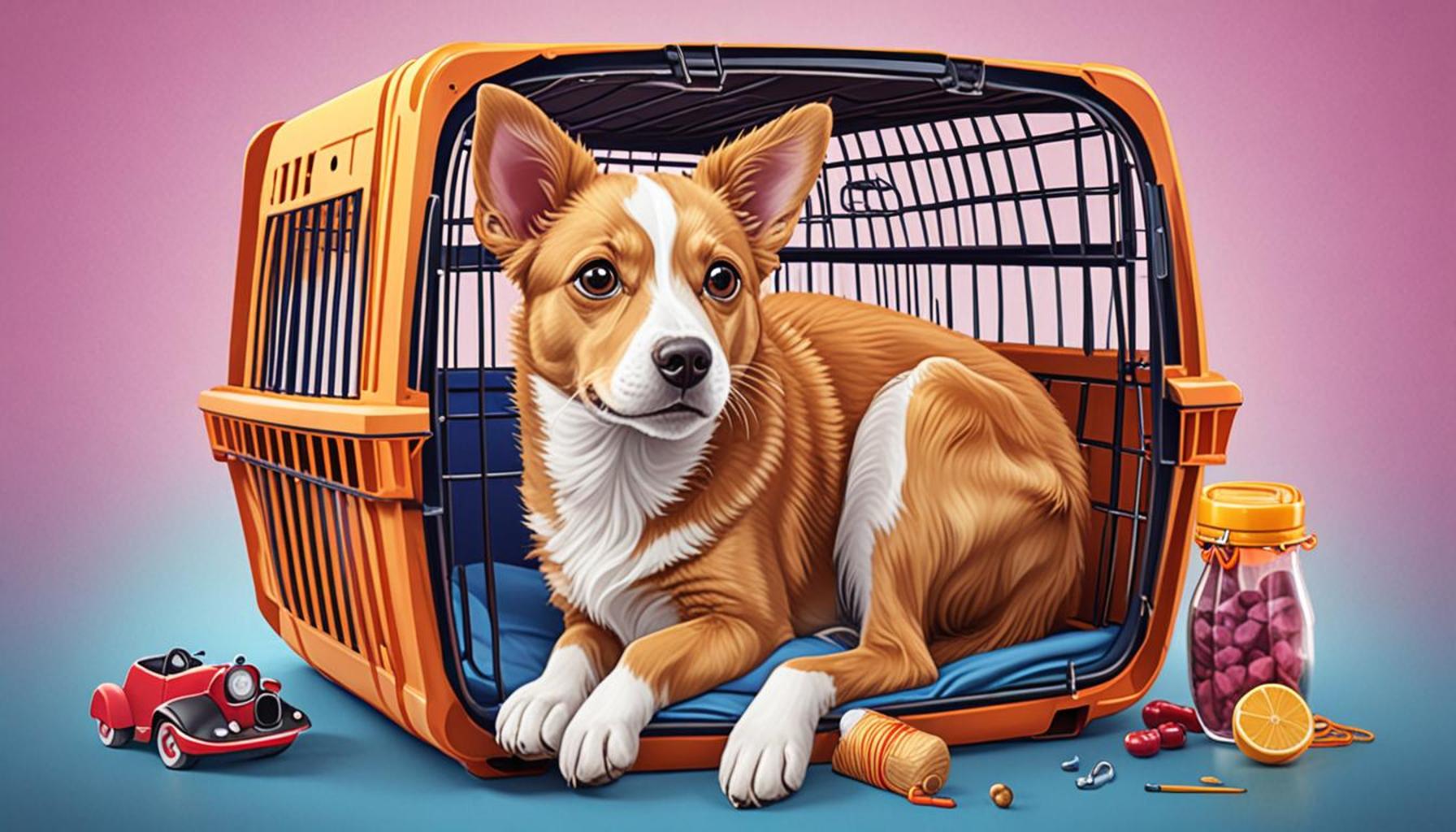
Transporting your pet can often feel daunting. Whether it’s a trip to the vet or a longer journey, the experience can be overwhelming for both you and your furry friend. This is particularly true in the United States, where the vast distances can necessitate long car rides or flights. With advances in pet-friendly travel options and regulations, it is essential to understand the nuances of pet transportation to ensure the safety and comfort of your animal companion. That’s why learning how to properly acclimate your pet to a carrier or bag can make all the difference.
Why Proper Acclimation is Essential
Many pets experience anxiety during travel, which can lead to stress for everyone involved. Acclimating your pet to their carrier not only builds a threshold of comfort but also promotes a sense of security. Consider the following reasons for acclimation:
- Reduces Anxiety: Familiarization with the carrier helps ease feelings of stress. Studies show that pets who are accustomed to their travel carriers experience lower heart rates and reduced signs of anxiety.
- Safety: A comfortable pet is a safe pet during transport. Unacclimated pets may exhibit disruptive behaviors, such as escaping or misbehaving, increasing the risk of accidents.
- Positive Experience: Training creates a positive association with the carrier. A well-acclimated pet is more likely to remain calm and relaxed, transforming what could be a stressful situation into a more enjoyable experience.
Steps to Acclimate Your Pet
To ensure a successful transition, follow these simple and effective steps:
- Familiarization: Begin by allowing your pet to explore the empty carrier at home. Place it in a common area and encourage your pet to sniff and investigate it on their own terms. This familiarity is crucial to creating a sense of belonging.
- Positive Reinforcement: Use treats and praise to encourage your pet’s interaction with the carrier. You might place their favorite toy inside or reward them for going in voluntarily. Consider using clicker training to reinforce this behavior, as it creates a clear bond between the action and a reward.
- Short Trips: Start with brief outings and gradually increase the duration. For instance, after your pet has become accustomed to the carrier at home, take them for a five-minute drive to a local park. This helps them learn that the carrier leads to enjoyable experiences.
Remember, you are not just preparing your pet for transportation; you are setting the stage for a more harmonious travel experience. With a commitment to proper acclimation techniques, you will be well on your way to ensuring that both you and your pet enjoy smooth travels together. Stay tuned as we dive deeper into each acclimation method and share helpful tips to make your journey as comfortable and stress-free as possible.
SEE ALSO: Click here to read another article
Creating a Comfortable Environment
Before you embark on any travel adventure, it is essential to create a comfortable and inviting environment for your pet within the carrier or bag. This goes beyond simply having a secure enclosure; it involves taking the time to ensure that your pet feels safe, relaxed, and willing to enter the carrier on their own. Here are a few strategies to consider:
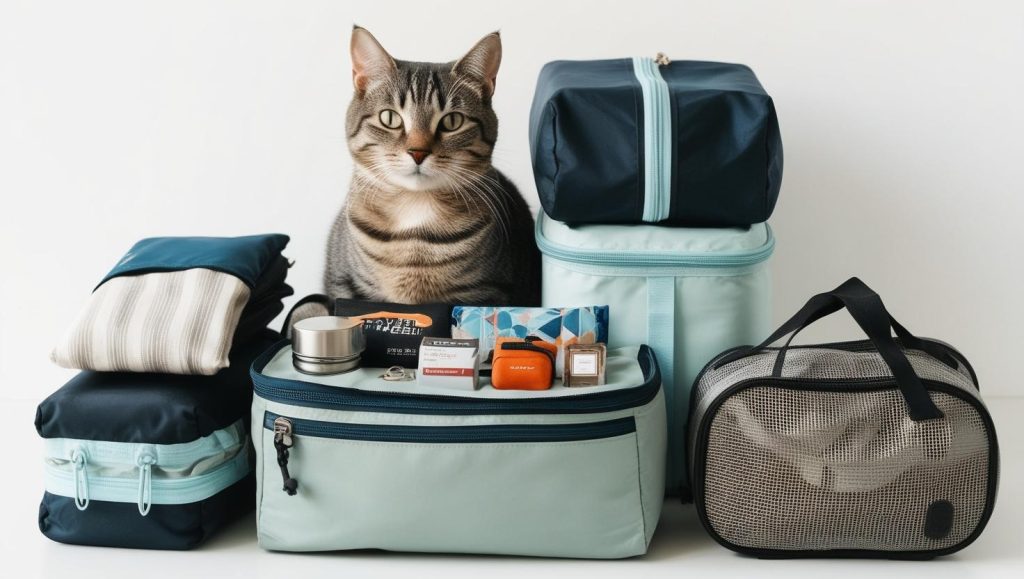
- Choose the Right Carrier: The first step in acclimating your pet is selecting a carrier that suits their size and personality. For dogs, a spacious crate with proper ventilation is ideal, while cats may prefer a softer bag that feels more like a cozy den. Ensure the carrier is well-ventilated, easy to clean, and secure enough to prevent escapes during travel.
- Introduce Familiar Scents: Pets are sensitive to smells, so using familiar scents can help ease anxiety. Place a blanket or a toy that your pet loves inside the carrier. This method not only comforts them but also encourages them to associate the carrier with positive, familiar sensations.
- Keep the Carrier Accessible: Don’t let the carrier become a source of anxiety by hiding it away. Instead, keep it in a commonly frequented space in your home. This encourages your pet to explore it regularly without feeling forced. The more they see and interact with the carrier, the more it becomes part of their environment.
Testing Comfort Through Exploration
It’s beneficial to let your pet explore the carrier at their own pace. Here are some ways you can encourage exploration:
- Short Sessions: Allow your pet to spend short periods inside the carrier while at home. Start by leaving the door open so they can enter and exit freely. Gradually close the door for brief intervals while providing treats and praise during these sessions to create a positive connection.
- Engage in Play: Use playtime to encourage interaction with the carrier. Toss a toy inside and encourage your pet to retrieve it. This creates a fun and engaging activity, helping to break any apprehension they may have about entering the space.
- Patience is Key: Remember that acclimation is not a race. Every pet has their own timeline for comfortability. Be patient and attentive to their feelings. If they show signs of stress, it’s crucial to take a step back and allow them more time to adjust.
Creating a welcoming environment and taking gradual steps toward acclimating your pet to their carrier will significantly increase their comfort and willingness to travel. As we explore further techniques and tricks, you will further discover ways to enhance your pet’s travel experience, making it enjoyable for both you and your furry companion.
Acclimating your pet to transport in a carrier or bag is a crucial step that ensures their comfort and safety during travel. The process begins with introducing the carrier as a positive space. Place it in a familiar area of your home and allow your pet to explore it at their own pace. This encourages them to associate the carrier with their home environment, promoting a sense of security.
Start by placing your pet’s favorite toy or blanket inside the carrier. This strategy not only makes the carrier more inviting but also gives your pet a sense of ownership. Gradually increase the time your pet spends in the carrier. Initially, you might keep the door open, letting them enter and exit freely. Once your pet seems more comfortable, you can start to close the door for short periods. Positive reinforcement, such as treats and gentle praise, can help alleviate any anxiety your pet may feel.
Another effective technique involves short practice runs. After your pet is comfortable spending time in the carrier, take them on short car trips, gradually increasing the duration. Always ensure the journey is positive by ending with a fun activity, like a walk or playtime. This method helps your pet to establish a connection between traveling in the carrier and enjoyable experiences, significantly reducing travel stress.
Every pet has unique needs and responses, so be patient and attentive to their reactions. Acclimating your pet to transport can be a rewarding experience that ensures both you and your furry friend are ready for future adventures together. Remember, practice and gradual exposure are key to creating a stress-free travel environment.
| Category 1 | Category 2 |
|---|---|
| Positive Association | Using toys and treats to create a welcoming environment in the carrier |
| Gradual Acclimation | Increase exposure time and practice with short trips for comfort |
SEE ALSO: Click here to read another article
Practicing Positive Reinforcement
One of the most effective methods for getting your pet accustomed to their carrier is using positive reinforcement. This technique capitalizes on your pet’s natural behavior by rewarding them for entering or spending time in the carrier. Through consistent and encouraging interactions, you can foster a sense of trust and comfort toward the carrier. Here are several strategies to implement:
- Incorporate Treats and Praise: Whenever your pet goes near or enters the carrier, reward them with their favorite treats. Pairing this action with verbal praise, such as saying “good job” or “you’re such a good boy/girl,” can motivate them to view the carrier as a positive space. This reinforces the idea that entering the carrier comes with pleasurable outcomes.
- Designate Carrier Time: Set aside specific times for your pet to enjoy short “carrier sessions” infused with treats or playtime. For instance, after a meal, place them in the carrier for a brief period while you read or complete other tasks nearby. Make it a daily ritual to help incorporate the carrier into their routine seamlessly.
- Use Clicker Training: If you’re familiar with clicker training, this can be an incredibly effective tool. A clicker signals to your pet precisely when they’ve done something right, allowing for immediate reinforcement. When your pet enters or shows interest in the carrier, click and reward. This not only leads to positive associations but also promotes quicker learning through clear communication.
Gradually Increasing Time in the Carrier
Once your pet is comfortable with entering the carrier, it’s time to increase the length of time they spend inside. Gradually extending their time in the carrier will help them adapt to the sensation of confinement, which is crucial for transportation. Here’s how to progressively build their endurance:
- Incremental Increase: Start by keeping your pet in the carrier for just a few minutes, and then gradually extend this time by a few minutes each day. The key is to ensure that your pet remains calm during each session; if they appear anxious, revert to shorter durations before trying again.
- Simulate Travel Conditions: To prepare your pet for the actual travel experience, simulate conditions they will encounter while being transported. Try moving the carrier to a different room or even gently wheeling it around the house. This acclimatizes them to movement and new sounds associated with travel.
- Incorporate Carrier into Everyday Life: Make the carrier part of your daily routine. Use it as a cozy resting place for your pet during quiet times or allow them to sit in it while you’re watching TV. This multifaceted approach helps normalize the carrier and reduces any negative associations.
By utilizing positive reinforcement and gradually increasing their time in the carrier, you create a supportive environment for your pet. Each small step builds their confidence and reduces anxiety, ultimately transforming the carrier into a safe haven rather than a source of stress. As you continue to engage in these practices, you will be better equipped to tackle the challenges of transporting your cherished companion, ensuring a smoother journey for both of you.
SEE ALSO: Click here to read another article
Conclusion
Successfully acclimating your pet to a carrier or bag is a crucial step in ensuring comfortable and stress-free travel experiences for both you and your furry friend. As we’ve explored, the use of positive reinforcement not only builds a sense of trust but also transforms the carrier into a welcoming space. By utilizing treats, praise, and even clicker training, you encourage a positive association that can ease anxiety and foster adaptability.
Furthermore, gradually increasing time in the carrier and simulating travel experiences allow your pet to acclimatize at their own pace. Incorporating the carrier into daily routines can help normalize it, making the transition from home to travel smoother and more seamless. Remember, patience is key. Each pet is unique, and what works for one may require adjustments for another. Understanding your pet’s individual needs and behaviors will guide you in tailoring the acclimation process.
If you are seeking additional resources or tips, consider consulting your veterinarian or animal trainer for specialized guidance. There are also numerous online communities where fellow pet owners share their experiences and suggestions. By investing the time and effort to cultivate a positive relationship with your pet’s carrier, you are setting the stage for enjoyable adventures together, making travel not only necessary but also an exciting part of your life. Embark on this journey with your beloved companion and create memories that will last a lifetime.