
Quick Ear Eye Paw Checks to Prevent Pet Health Issues

Ensuring Your Pet’s Well-Being
As a devoted pet parent, your furry friend’s health relies heavily on your vigilance and care. Regular veterinary check-ups are crucial in preventing serious health issues before they arise. Simple, quick inspections of your pet’s ears, eyes, and paws can go a long way in ensuring they remain comfortable and free from illness. By integrating these checks into your routine, you not only safeguard their health but understand their unique needs better.
Ear Checks: As part of routine maintenance, examine your pet’s ears weekly for signs of infection. Look for redness, swelling, or excessive wax buildup. These symptoms may indicate an infection or other issues that can cause significant pain and discomfort. Consider breeds more prone to ear troubles, such as Cocker Spaniels or Bulldogs, which may require extra attention. If any abnormalities are found, consult with a veterinarian promptly to prevent further complications.
Eye Checks: Regularly checking your pet’s eyes is equally important. Look for any discharge, cloudiness, or unusual tearing. Common conditions like conjunctivitis can be easily missed if not inspected routinely. Certain breeds, such as Pugs or Shih Tzus, are more susceptible to eye problems, making vigilance paramount. Prompt consultation with a vet when noticing any irregularities can prevent the progression of serious conditions like cataracts.
Paw Checks: Inspecting your pet’s paws should be a routine part of your care regimen, especially for active pets that may encounter rough terrains. Ensure that paw pads are intact, free from cuts, and not impacted by foreign materials such as thorns or rocks. Watch for signs of allergies, such as excessive licking, which can lead to painful wounds. Regular trimming of nails and checking between the toes for ticks or parasites can also contribute significantly to your pet’s overall well-being.
By routinely inspecting these areas, you stand a better chance of catching potential problems early. Integrating these checks into your weekly schedule can seamlessly fit into your lifestyle. For instance, you might choose to check after playtime or during calm moments, making it a bonding experience rather than a chore.
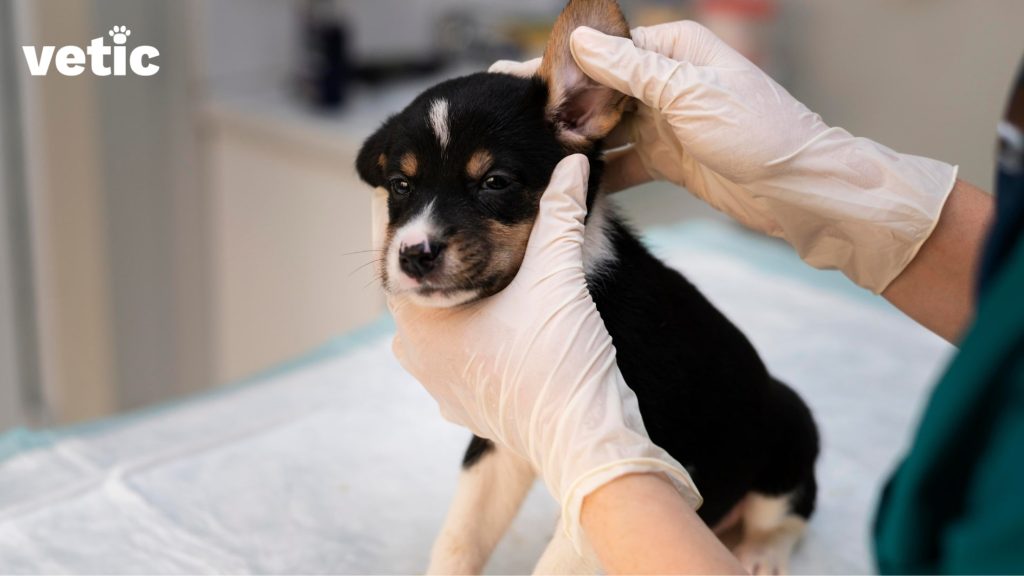
A general understanding of common pet health issues can further empower you as a responsible owner. For example, ear infections are often caused by moisture or wax buildup, especially in dogs that swim frequently, while eye conditions can also develop over time due to factors like aging or genetic predispositions. Recognizing the signs early, such as noticing your pet squinting or pawing at their eyes, can be crucial in seeking timely treatment.
Knowledge truly is your first line of defense. By being proactive and observant, you are taking significant steps toward maintaining your pet’s health and happiness. Ultimately, your commitment to their care reflects on their quality of life, making every effort you put forth worthwhile.
CHECK OUT: Click here to explore more
The Importance of Routine Checks for Your Pet
Regular inspections of your pet’s ears, eyes, and paws are essential for spotting early signs of health issues. These quick checks not only help in maintaining their overall health but also enhance your bond with your furry companion. Adopting a proactive approach in monitoring these areas can save you both time and money by catching potential problems before they escalate.
Understanding Ear Health: Ear infections are one of the most common health issues in pets, particularly in dogs with floppy ears or those that swim frequently. When conducting your ear check, make sure to observe the following:
- Redness: Check for any signs of inflammation or redness inside the ears.
- Unpleasant odor: A foul smell can indicate an ongoing infection.
- Scratching: Excessive scratching of the ears can be a sign of discomfort.
If your pet exhibits any of these symptoms, it’s essential to seek veterinary care immediately. Untreated ear infections can lead to chronic health issues and may require more extensive treatment options.
Eye Health Awareness: The eyes are often a reflection of your pet’s health. Regular eye checks can reveal a multitude of potential issues, ranging from minor irritations to serious conditions. Here’s what to inspect during your routine evaluations:
- Clear eyes: The surface should be clear without any cloudiness.
- Discharge: Any unusual discharge or excessive tearing could signal an underlying condition.
- Pawing at eyes: If your pet frequently paws at their face, it may indicate irritation or discomfort.
Common eye conditions, such as conjunctivitis, can develop quickly and may require treatment to avoid complications, including vision loss. Certain breeds, such as Bulldogs or Poodles, are genetically predisposed to specific eye disorders, making regular checks even more crucial for them.
Paw Maintenance: Healthy paws are critical to your pet’s mobility and overall happiness. Regular paw checks are especially important for active dogs who spend time outdoors. Here’s a checklist to ensure paw health:
- Inspect paws: Look for cuts or abrasions on the pads and between the toes.
- Trim nails: Keeping nails clipped will prevent painful breaks or tears.
- Observe for signs of allergy: Redness or irritation can suggest allergies that need to be addressed.
Regular assessments of your pet’s paws can play a significant role in preventing painful conditions that could limit their activity. By making these checks part of your routine, you ensure your pet remains healthy, happy, and active.
Establishing a routine for these health checks can turn them into a bonding experience rather than a chore. Checking your pet’s ears, eyes, and paws can easily fit into your weekly schedule, reinforcing your role as a responsible pet parent while securing your pet’s well-being at the same time.
| Category | Advantages |
|---|---|
| Regular Health Monitoring | Early Detection of Issues: Performing quick checks weekly can help identify ear infections, eye problems, or paw injuries before they escalate. |
| Improved Quality of Life | Enhanced Well-being: Consistent care fosters a comfortable and Happy pet, minimizing the chances of chronic issues that can affect overall health. |
When engaging in routine pet health checks, one discovers vast benefits that can lead to a better understanding of their furry companions. The two highlighted advantages showcase essential aspects of maintaining pet health. Regular health monitoring not only aids in the early detection of issues, providing a proactive approach, but also ensures that pets enjoy an improved quality of life throughout their years. Pets rely on their owners to proactively safeguard their well-being. Adopting these simple practices allows for timely intervention, ensuring that any potential problems are addressed swiftly and effectively.
SEE ALSO: Click here to read another article
Protecting Your Pet’s Health with Proactive Care
In addition to conducting ear, eye, and paw checks, understanding the signs of specific ailments can empower you to act promptly. Knowing what to look for and the potential symptoms minimizes the chance of life-altering health complications for your beloved pet.
Ear Health Challenges: Aside from infections, pets can also suffer from ear mites and allergies. Ear mites are especially prevalent in cats, and a quick inspection can help spot these troublesome pests. Symptoms of ear mite infestations include:
- Dark debris: Look for dark, coffee-ground-like substances in the ear canal.
- Sensitivity: Your pet may shake their head more frequently or seem unusually sensitive when you touch their ears.
Moreover, pets with food or environmental allergies may develop skin issues that can extend to the ears. Regular cleaning and prompt veterinary consultation can prevent these minor irritations from developing into chronic issues.
Eye Issues to Spot: It’s important to note that certain conditions can develop rapidly. For instance, glaucoma is a painful condition that arises from increased pressure in the eye, and the signs may initially be subtle. Symptoms include:
- Redness: The whites of the eyes may turn red and irritated.
- Bulging eyes: A noticeable change in eye shape can indicate trouble.
- Cloudiness: Darkening of the cornea often signifies serious underlying issues.
Recognizing these signs early is crucial. If something seems off, don’t hesitate to visit your veterinarian for a thorough examination.
Paw Problems: While checking your pet’s paws, be aware that some breeds are more prone to certain paw conditions. For example, dogs with longer hair can develop matting in the fur between their pads, leading to discomfort and possible infections. A regular paw check should include:
- Inspecting fur: Ensure it’s groomed and not tangled, particularly in breeds like the Poodle or Shih Tzu.
- Checking for foreign objects: Stones, thorns, or even grass seeds can become lodged in the pads, causing pain.
During the colder months, consider using dog booties or applying a protective balm to shield your pet’s paws from harsh elements such as salt and ice. All these actions contribute to a more enjoyable outdoor experience, especially in states with icy winters such as Minnesota or Wisconsin.
Bonding Through Care: Building a routine around these checks can also facilitate greater trust between you and your pet. When you handle them gently during these inspections, it reinforces the idea that you are a supportive caregiver. In turn, your pet will likely respond positively, fostering a deeper bond.
Moreover, involving family members, particularly children, can teach responsibility and create lasting memories. Together, you can embark on this quick yet vital health journey. Ensure your kids learn to recognize signs and symptoms, transforming a simple check into a fun and educational family activity.
CHECK OUT: Click here to explore more
Taking Initiative for Pet Well-being
Regular ear, eye, and paw checks can significantly enhance your pet’s quality of life while preventing a myriad of potential health issues. By making these inspections a routine part of your pet care regimen, you not only promote early detection of problems but also establish a stronger bond with your furry friend. From spotting signs of ear infections and glaucoma to ensuring that paws are free from debris and damage, a few minutes of dedicated care can yield significant benefits.
Furthermore, by being proactive, you empower yourself as a pet owner. Familiarizing yourself with the common symptoms and conditions that may affect your pet will make you more vigilant and responsive to any changes. The health of your pet can be influenced by many factors, including breed predispositions and seasonal challenges. For instance, in colder regions, the use of protective gear for their paws becomes vital during winter months, averting painful injuries.
Ultimately, cultivating a routine around these quick yet essential checks encourages a nurturing atmosphere for your pet. Involving family members in this process not only fosters learning but also establishes a sense of shared responsibility towards your pet’s well-being. By understanding your pet’s health needs early on, you can mitigate risks and provide a happier, healthier life for your four-legged companion. Prioritizing their health through consistent care is an indispensable part of being a responsible pet owner.