Pet Grooming Routine Brushes Baths Knot Prevention Tips
The Importance of a Comprehensive Grooming Regimen
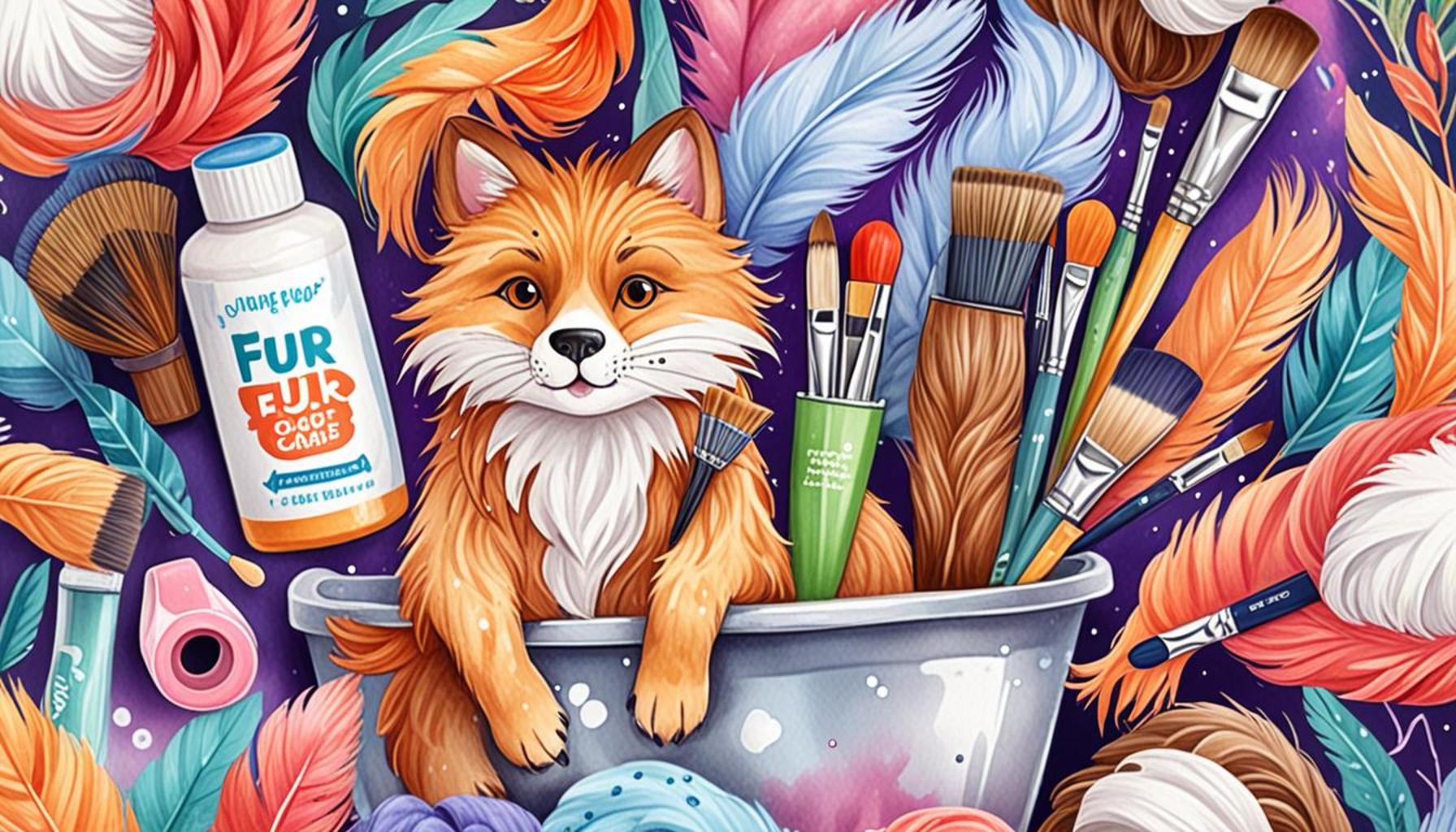
Ensuring your pet looks its best is about more than aesthetics; it’s essential for their overall health and happiness. A regular pet grooming routine not only enhances your pet’s appearance but also promotes their well-being by preventing various health issues. From skin infections to irritation caused by matted fur, maintaining your pet’s coat and hygiene is critical.
This grooming routine encompasses a multitude of practices, and understanding its components can help pet owners provide the best care for their furry companions. Here are the essential elements that form the backbone of an effective grooming strategy:
- Brushing: Different breeds require tailored approaches to brushing. For instance, a slicker brush is particularly effective for long-haired breeds like the Afghan Hound or Shih Tzu, as it can remove loose hair and prevent tangles. In contrast, short-haired breeds like the Beagle thrive with rubber bristle brushes, which distribute natural oils in their coat and minimize shedding.
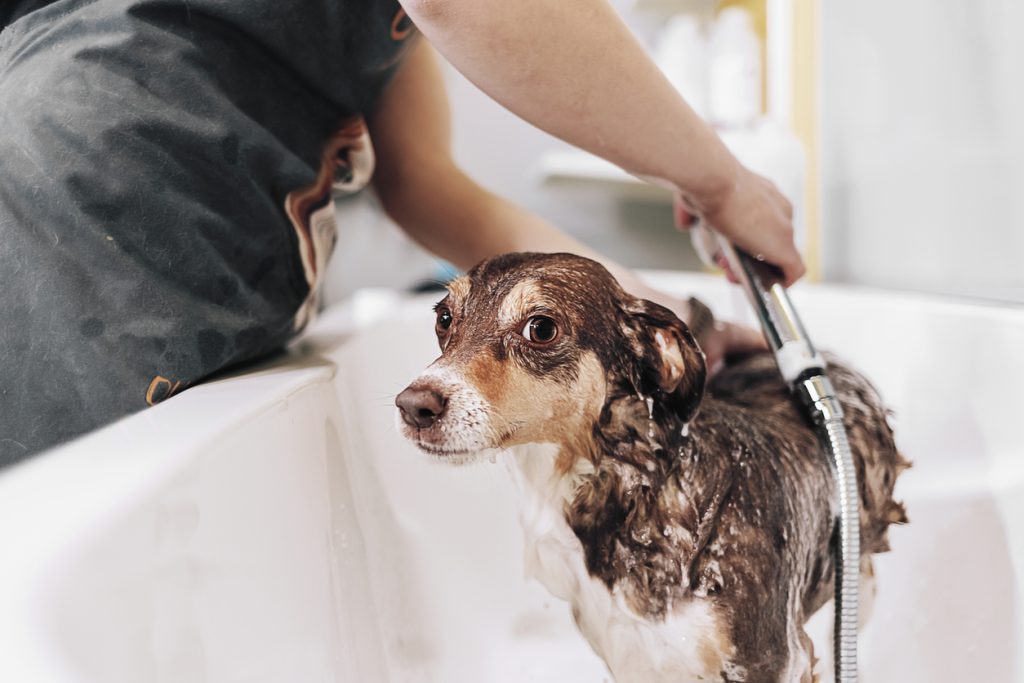
- Bathing: While it is commonly stated that dogs should not be bathed too frequently, a monthly bathing schedule is generally effective for most pets. However, active or outdoor-loving dogs might require baths more often to remove dirt and odor. Always use pet-friendly shampoos, as human soaps can be irritating to a pet’s skin.
- Knot prevention: Matted fur is not just a cosmetic issue but can also lead to painful skin conditions. Regular brushing is fundamental, especially for breeds prone to matting, such as the Poodle or Cocker Spaniel. Additionally, utilizing detangling sprays can ease the grooming process, making it smoother and more comfortable for your pet.
Furthermore, grooming is not just a chore—it’s an opportunity to bond with your pet. The time spent together during grooming sessions can enhance trust and strengthen the relationship between owner and pet. This aspect is crucial, as animals thrive on affection and companionship, helping to create a tranquil atmosphere during grooming.
As we delve deeper into the world of pet grooming, we will examine specific techniques, tools, and expert suggestions tailored to meet your pet’s unique grooming needs. By understanding and implementing these strategies, you can transform your grooming routine into an enjoyable experience that not only leaves your pet looking fantastic but also contributes significantly to their health and happiness. Stay tuned as we explore the fascinating details that will elevate your pet grooming knowledge to new heights.
SEE ALSO: Click here to read another article
Mastering the Art of Grooming: Brushes, Baths, and Knot Prevention
Embarking on the journey of grooming your pet can be both a rewarding and enlightening experience. Understanding the right techniques, tools, and products can make a significant difference in achieving a healthy and well-maintained coat. Let’s break down each critical component of your pet grooming routine, ensuring that you’re equipped with the knowledge needed to keep your furry friend looking and feeling their best.
Brushing: The First Line of Defense
Brushing not only removes shedding fur but also promotes the distribution of your pet’s natural oils, which can enhance coat shine and luster. Depending on your pet’s breed, the type of brush you should use will vary. Here are some guidelines:
- Slicker Brushes: These are perfect for long-haired breeds like the Yorkshire Terrier or Golden Retriever. Their fine, short wires can penetrate deep into the coat to remove loose hair and tackle tangles effectively.
- Paddle Brushes: Ideal for medium-length coats, these brushes can help in both detangling and smoothing the fur. Breeds such as the Cocker Spaniel benefit from regular use of a paddle brush.
- Rubber Bristle Brushes: Best suited for the short-haired breeds like Boston Terriers or Boxers, these brushes are gentle and effective at lifting dirt while giving a soothing massage to your pet’s skin.
Incorporating brushing into your routine not only reduces shedding but also allows you to check for skin irritations or unusual lumps, making it a proactive health measure. Aim for at least two to three brushings per week, or more frequently for breeds that shed heavily or have long hair.
Bathing: Finding the Balance
Bathing is a necessary aspect of your grooming routine, but striking a balance is essential to avoid excessive stripping of natural oils. Generally, a bath every four to six weeks is ideal for most pets, but this can vary based on their lifestyle and skin type. For example:
- Active Dogs: If your pet loves to splash around outdoors or has a penchant for rolling in mud, consider bathing them once every two to three weeks. This frequency helps keep their coat clean and odor-free.
- Sensitive Skin: If your dog has skin sensitivities, opt for gentle, hypoallergenic pet shampoos that provide cleansing without harsh chemicals. Consult your veterinarian for recommendations on suitable products that cater to your pet’s specific needs.
When bathing, ensure that you thoroughly wet your pet’s coat and apply the shampoo in a well-ventilated area, making the experience as comfortable as possible. Rinse meticulously to avoid any shampoo residue that could lead to skin irritation.
Knot Prevention: The Ounce of Prevention
Knot and mat prevention ranks high on the pet grooming checklist, particularly for breeds prone to tangles. Regular grooming is essential to keep your pet’s coat looking its best and to avoid discomfort. Some effective tips include:
- Regular Brushing: As previously mentioned, frequency is key. Brushing daily for long-haired breeds can help keep knots at bay.
- Detangling Sprays: These specialty products can ease the removal of tangles and make brushing a smoother process. Look for sprays designed specifically for pets, ensuring they are safe and effective.
- Professional Grooming: Sometimes, a professional groomer can be a saving grace. If you’re struggling with matting, seeking professional help can prevent further discomfort for your pet.
By implementing consistent grooming routines focused on brushing, bathing, and knot prevention, you’re embracing a lifestyle that prioritizes your pet’s health and happiness. In doing so, you’re not just maintaining their appearance but also enriching your connection with them through regular, thoughtful engagement.
| Grooming Tools | Purpose & Benefits |
|---|---|
| Brushes | Essential for removing loose fur and preventing matting, keeping your pet’s coat healthy and shiny. |
| Baths | Routine bathing with pet-safe shampoos helps to control odors and removes dirt, ensuring your pet stays fresh and clean. |
| Knot Prevention | Using the right tools and techniques for knot prevention significantly reduces discomfort for pets and promotes a seamless grooming experience. |
When it comes to maintaining the health and appearance of your pet, understanding the right grooming tools is crucial. Regular grooming routines not only enhance your pet’s physical appearance but also promote overall well-being. For instance, the correct brushes can significantly reduce shed fur and minimize allergens in your home, creating a healthier environment. Additionally, establishing a consistent bathing schedule with high-quality grooming products can help prevent skin irritations and ensure that your pet always looks and feels their best. Therefore, investing time in a proper grooming routine can lead to better health outcomes for your beloved furry friends while strengthening the bond between pet and owner.
SEE ALSO: Click here to read another article
The Importance of Staying Informed: Advanced Grooming Techniques and Tips
As a pet owner, understanding the finer nuances of grooming goes beyond merely brushing and bathing. It involves recognizing your pet’s specific needs and adapting your routine accordingly. By diving deeper into these advanced grooming techniques and tips, you can significantly enhance the well-being of your furry companion.
Understanding Coat Types: Tailoring Your Approach
Every pet has a unique coat type that requires a customized grooming strategy. Familiarizing yourself with common coat types can improve your grooming routine. Pet grooming routines should reflect not only the breed but also individual behaviors and living conditions:
- Double Coats: Breeds like the Siberian Husky have a dense undercoat that requires special attention, especially during shedding seasons. Invest in an undercoat rake, which can help reach the fine hairs below the outer coat, ensuring a thoroughly groomed pet without unnecessary discomfort.
- Curly Coats: Breeds such as Poodles may benefit from more frequent grooming sessions, as their curls can trap dirt and moisture, leading to matting. Regularly scheduled visits to a professional groomer can be a smart choice to maintain a healthy coat.
- Short Hair: While short-haired pets might seem low-maintenance, they still require regular grooming. Utilize a grooming glove to keep their coat shiny and to remove loose fur effortlessly.
Bathing Beyond Basics: Techniques for Effectiveness
While routine bathing is vital, enhancing the bathing process can lead to more effective results. Here are some essentials to consider for an optimal bathing experience:
- Water Temperature: Ensure the water is lukewarm, as temperatures that are too hot or cold can stress your pet. A pleasant temperature helps in keeping your pet relaxed during the bathing process.
- Specialized Shampoos: For pets that swim frequently or have skin conditions, consider shampoos that offer therapeutic benefits, like oatmeal-based formulas for calming itchy skin or antibacterial options for infection-prone areas.
- Spot Treatment: Target specific areas like paws or belly with particular attention, as these spots often collect dirt and allergens.
Grooming Tools: Investing in Quality
Investing in high-quality grooming tools can change your pet grooming routine indefinitely. The right tools not only provide better results but also make the grooming experience enjoyable:
- Clippers and Scissors: A good set of clippers or rounded-tip scissors can help with trimming and maintaining specific areas like paws and around the eyes, thereby reducing the risk of knots and matting.
- Pet Dryer: Consider investing in a pet-specific dryer to help with the drying process after baths. The controlled airflow helps keep moisture away from the skin, reducing the chances of skin irritation.
- High-Quality Brushes: Beyond the basic brushes mentioned earlier, consider brands that offer ergonomic designs, making tools easier to handle, thus improving the overall grooming session.
Emotional Connection: Making Grooming a Bonding Experience
Lastly, it’s essential to view grooming not just as a chore, but as an opportunity to bond with your pet. Implementing positive reinforcement during grooming sessions can transform the experience:
- Treats and Praise: Rewarding your pet with treats and verbal praise during grooming establishes trust and positively reinforces the grooming routine.
- Grooming as Playtime: Incorporate playful elements such as games or soft toys during brushing. This can alleviate anxiety associated with grooming and strengthen your emotional bond.
By adapting your pet grooming routine with a keen understanding of coat types, advancing your bathing techniques, investing in quality tools, and nurturing your bond during grooming, you’re not just enhancing your pet’s appearance; you’re ultimately enriching their quality of life, fostering trust, and maintaining a strong companionship.
SEE ALSO: Click here to read another article
Conclusion: Enhancing Your Pet’s Grooming Experience
In summary, establishing an effective pet grooming routine involves a comprehensive understanding of your pet’s unique needs, specialties based on coat type, and the necessary tools for success. By recognizing the specific requirements of your pet’s coat—whether it’s a double coat prone to shedding, curly fur needing careful maintenance, or short hair that still benefits from regular grooming—you can tailor your approach to ensure optimal health and comfort.
Moreover, the bathing techniques utilized can substantially impact your pet’s hygiene and overall well-being. Ensuring proper water temperature, using appropriate shampoos, and focusing on spot treatment areas can strengthen your bathing strategy and yield better outcomes. The investment in high-quality grooming tools not only makes the grooming process enjoyable but also promotes effectiveness in maintaining your pet’s appearance and health.
Finally, elevating the grooming process from a mere routine to a bonding experience can transform both your and your pet’s perspective. By incorporating elements of play, treats, and positive reinforcement, grooming can become a cherished time for connection, trust-building, and relaxation. Keep in mind that your ongoing education into knot prevention tips and advancements in grooming will further refine your skills and improve your pet’s grooming journey.
Ultimately, by devoting attention to these various aspects of grooming, you are not only enhancing your pet’s outer appearance but also nurturing a deeper bond, promoting their emotional well-being, and ensuring a healthy, happy life.