Guide-Leash Walking Tackle Pulling Stops Focus on Handler

Understanding Leash Walking Dynamics
Dog walking can become a challenge when your furry friend has a habit of pulling on the leash. This common issue not only affects the pleasantness of daily strolls but can also lead to injuries for both the dog and the handler. Therefore, it’s essential to tackle this behavior effectively to foster a positive experience for both parties involved.
Key Considerations for Handlers
- Awareness of Body Language: Dogs communicate a lot through their body language. By being mindful of cues such as tail position, ear orientation, and overall posture, handlers can detect when their dog is becoming overly excited or agitated, prompting them to intervene before pulling occurs. For instance, if a dog’s tail begins to wag furiously or if they suddenly start sniffing intensely, these can be indicators that they are about to lunge forward.
- Harness Types: Choosing the right kind of harness can make a significant difference in walking dynamics. A no-pull harness, featuring a front-clip design, can discourage pulling by redirecting a dog’s attention back toward the handler. Many dog trainers recommend these harnesses as they allow for better control without causing discomfort or harm to the dog, which can often occur with traditional collars.
- Training Techniques: Consistent training is crucial. Methods like positive reinforcement, where you reward your dog with treats or praise when they walk beside you without pulling, are effective techniques that strengthen desired behaviors. Moreover, practicing commands such as “heel” can provide dogs with clear expectations, making walks more structured and enjoyable.
Each walk serves as an opportunity to reinforce positive behaviors and dynamics. By focusing on the handler’s role, you can create not only a safe, enjoyable experience but also a deeper bond with your canine companion. Effective leash walking transcends mere control; it’s about cultivating trust and communication, both essential for a harmonious relationship.
Benefits of Proper Leash Walking
- Increased Safety: A well-behaved dog on a leash reduces the risk of accidents both for themselves and for others around them, especially in busy urban environments. Proper leash manners ensure that your dog is less likely to dart into traffic or cause a distraction to passing pedestrians.
- Better Control: Maintaining control over your dog during walks is vital, particularly when faced with sudden distractions like squirrels or other dogs. Equipped with proper leash techniques, handlers can manage their pets promptly, reducing anxiety for both the dog and the owner.
- Enhanced Enjoyment: Well-behaved walks can turn into delightful outings rather than stressful trials. The mutual understanding developed during these walks leads to a more relaxing experience, allowing for moments of exploration and connection with the environment.
Exploring methods to stop pulling during walks will not only enhance your dog’s behavior but also transform your daily routine into an engaging adventure. Dive into training resources and consider consulting with trainers for personalized guidance to further enrich your walking experiences. Each step taken together is not just a path to better behavior, but a journey of companionship and trust that strengthens the bond between you and your furry friend.
CHECK OUT: Click here to explore more
Building an Effective Leash Walking Foundation
As a dog owner, engaging in walks with your beloved pet should be a harmonious experience, rather than a tug-of-war. To achieve this, it’s important to establish a strong foundation that emphasizes the handler’s role in leash walking. By focusing on the dynamics between the handler and the dog, you can address the issue of pulling constructively, ensuring both you and your pet enjoy your daily outings.
Establishing Your Position as the Leader
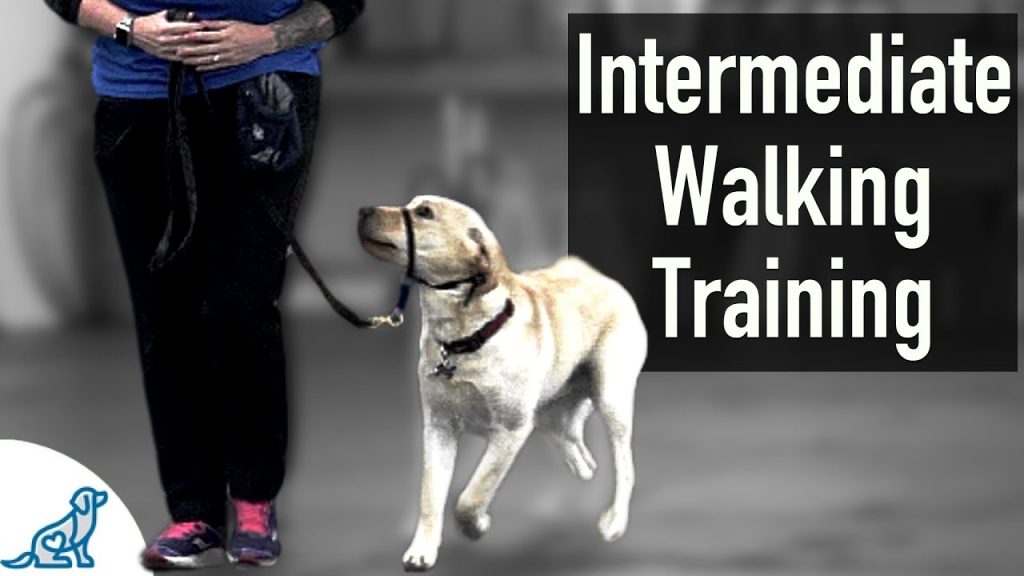
One of the fundamental aspects of effective leash walking is recognizing the importance of establishing yourself as the leader. Dogs are pack animals by nature, and they instinctively look for guidance within their social structures. By presenting yourself as a calm and confident leader during walks, you set clear expectations for your dog. This clarity translates into better behavior, minimizing the likelihood of pulling.
- Confidence Building: To become an effective leader, it’s vital to exude confidence in your body language and commands. Stand tall, use an even tone of voice, and select a steady pace that your dog can easily follow. This not only provides reassurance to your pet but also helps them understand that they can trust you in unfamiliar situations.
- Consistent Routine: Dogs thrive on consistency, so establishing a routine for walks is essential. Choose specific times of the day for walks and stick to them. By creating a predictable schedule, your dog will understand when it’s time to go out, reducing excitement that can lead to pulling.
- Positive Reinforcement: As previously noted, rewarding your dog for walking beside you can significantly improve their behavior. Introduce treats or praise at appropriate moments, such as when they walk calmly by your side instead of pulling ahead. This practice encourages them to associate walking next to you with positive outcomes.
Understanding your dog’s motivations can also play a significant role in managing pulling behaviors. Many dogs pull out of sheer excitement, curiosity, or a desire to explore. By acknowledging these motivations, you can tailor your approach, making it a more engaging experience for your dog. For example, incorporating short training sessions during your walk can channel their energy positively. By practicing tricks or commands intermittently, you can capture their focus and encourage them to maintain a close position.
Creating a Distraction-Friendly Environment
The environment in which you walk your dog is crucial to their behavior on a leash. Busy streets, parks filled with other animals, and enticing smells can provoke unwanted pulling. As a handler, it’s your responsibility to prepare for these distractions.
- Choosing the Right Path: Start your walks in less stimulating environments to build the foundation before exploring busier areas. Quiet streets or parks during off-hours can create a focus-friendly atmosphere.
- Gradual Exposure: Once your dog has mastered leash walking in a calm environment, gradually expose them to higher-stimulation settings. This method helps them learn to focus on you, even amid distractions.
- Utilizing Training Aids: Incorporating training tools such as clickers can reinforce positive behavior in distracting situations. When your dog remains calm around distractions, click and treat to reinforce that behavior effectively.
By prioritizing these key elements, you can effectively manage pulling while walking your dog. The relationship you build as a handler will foster trust and cooperation, ultimately leading to enjoyable and controlled walks. So, take the necessary time to implement these strategies, and watch your walking adventures evolve into rewarding experiences for both you and your dog.
| Feature | Benefit |
|---|---|
| Adjustable Design | Customizes fit for different dog sizes, enhancing control and comfort. |
| No-Pull System | Reduces strain on both handler and dog, leading to more enjoyable walks. |
| Built-in Reflectors | Enhances visibility during low-light conditions, ensuring safety for both handler and dog. |
| Comfort Padding | Prevents chafing and discomfort, providing a pleasant experience during walks. |
Exploring the world with your dog shouldn’t be a struggle. Using a guide-leash designed with pulling tackle specifics allows for an effortless connection between handler and dog. This tool focuses on making every walk a bonding experience, rather than a battle against pulling. By integrating features like an adjustable design suitable for all dog types and a no-pull system, you can expect not only a safer but also a more enjoyable journey together. Additionally, built-in reflectors help keep you visible under any circumstance, while comfort padding ensures that both you and your furry friend can enjoy your adventures without discomfort. The overall innovation in the design significantly reduces the risk of injuries, promoting a harmonious relationship as you lead your beloved companion with confidence.
CHECK OUT: Click here to explore more
Enhancing Your Communication with Your Dog
In the journey towards effective leash walking, enhancing your communication with your dog is key. The interactions between a handler and their dog should not just be one-sided; rather, they should embody a dialogue that fosters understanding and cooperation. By improving the way you communicate, you can curtail pulling and promote a more enjoyable walking experience.
Mastering Non-Verbal Communication
Dogs are incredible at picking up on non-verbal cues. The way you hold the leash, your body posture, and even your facial expressions can significantly influence a dog’s behavior. By aligning your actions with your intentions, you can better lead your dog during walks.
- Leash Positioning: Keep the leash short but relaxed to maintain control while allowing some freedom of movement. A taut leash can create tension and signal to your dog that they need to be on high alert, potentially leading to pulling. Instead, a loose leash conveys calmness and encourages your dog to walk beside you.
- Body Orientation: Turn your body slightly towards your dog when you want them to focus on you. This subtle shift can draw their attention away from distractions and encourage them to maintain their position by your side.
- Facial Expressions: Dogs are acutely sensitive to human emotions. Smiling and maintaining a relaxed demeanor can soothe your dog, making them more likely to comply with your commands. Conversely, frustration can be absorbed by your dog and may lead to increased pulling or erratic behavior.
Utilizing Verbal Cues Effectively
While non-verbal cues are crucial, verbal communication cannot be overlooked. Establishing a set of commands specific to leash walking will create consistency for your dog. Here are some tips to refine this aspect:
- Consistent Commands: Use the same words or phrases consistently to signal actions like “heel” or “let’s go.” A predictable vocabulary will help reinforce behaviors and ensure your dog understands your expectations.
- Positive Reinforcement Timing: Reward your dog immediately after they exhibit desirable behavior. If they walk calmly beside you without pulling, do not wait too long before giving a treat or praise. The quicker the reward comes after the behavior, the stronger the association becomes.
- Gradual Command Introduction: Start with one cue at a time to avoid overwhelming your dog. Once they grasp the first command, gradually introduce others to build a strong vocabulary. It’s all about making the experience engaging!
Moreover, incorporating interactive elements into your walk can further enhance engagement. For example, consider practicing “sit” or “stay” commands at strategic points during the walk; this will keep your dog focused and break up the monotony that can lead to pulling. Using play can also encourage attention – a quick game of fetch during a park visit reinforces your leadership role while allowing your dog to release some pent-up energy.
Recognizing Behavioral Signs and Adjusting Accordingly
Every dog has its own temperament and behavior patterns, which is why it’s vital for the handler to remain observant. Understanding their body language can help you adjust and avoid scenarios that may trigger pulling. For example, if your dog begins to dart toward another dog or a person, recognize that this could lead to excessive pulling.
- Signs of Distraction: Look for cues such as stiffened posture, wagging tails, or darting eyes. Acknowledge these signs and proactively redirect your dog’s attention back to you before a pulling episode begins.
- Calm Reinforcement: If you sense the dog is about to pull, calmly redirect them with a verbal cue and a slight tug on the leash, followed by a reward for compliance. This anticipatory action teaches your dog to check in with you during walks.
- Acknowledge Moments of Calm: If your dog remains calm while others pass by or if they are in an exciting environment, use this opportunity for positive reinforcement; it builds their confidence in staying near you amid distractions.
By honing your communication skills, you strengthen the handler-dog bond and cultivate an environment that discourages pulling. Elevated focus on interaction enhances your dog’s willingness to follow, paving the way for enjoyable, stress-free walks together.
SEE ALSO: Click here to read another article
Conclusion
In concluding our exploration of leash walking techniques designed to tackle pulling, the crucial takeaway is the absolute importance of the handler’s role. Effective communication—both verbal and non-verbal—is the cornerstone of a successful walking experience. By understanding your dog’s behavioral cues and adjusting your interactions accordingly, you can significantly reduce pulling and create a strong partnership.
It is essential to remember that leash walking is not merely about control but rather about fostering trust between you and your canine companion. By adopting a calm demeanor, maintaining a relaxed leash, and implementing consistent verbal commands, you set the stage for a more enjoyable stroll. The integration of positive reinforcement for desirable behaviors strengthens this bond, encouraging your dog to remain focused on you despite the many distractions in the environment.
Moreover, understanding that every dog has its unique temperament allows you to tailor your approach specifically to their needs. Acknowledging the signs of distraction and taking proactive steps to redirect their focus can prevent pulling before it starts. Engaging your dog in interactive training exercises during walks not only alleviates boredom but also deepens your mutual connection.
Ultimately, mastering the art of leash walking requires patience and practice. By focusing on improving your communication and understanding, you will transform your daily walks into a fulfilling experience for both you and your dog. Embark on this journey today, and discover the joy of a harmonious walk where pulling becomes a thing of the past.