Common Cat Behaviors Decoded What Your Feline Friend Is Telling You
Decoding Feline Behaviors: What Your Cat Is Really Saying
Have you ever caught your cat staring intently at you, wondering what they might be trying to convey? Cats are notoriously enigmatic creatures, expressing themselves through a rich tapestry of behaviors rather than words. By tuning into these subtle cues, pet owners can gain invaluable insights into their cat’s feelings and preferences, thus fostering a more harmonious living environment.
Purring: More Than Just a Sound of Bliss
Purring is often interpreted as a sign that your cat is content and relaxed, but this soothing sound can also signal distress or discomfort. For instance, a cat that is feeling anxious or unwell may purr as a self-soothing mechanism. It’s important to pay attention to the context of the purring. Is your cat purring while cuddling up to you, or is it in a corner, seemingly lethargic? Understanding the nuances behind the purr can help you address any underlying problems your feline friend might be facing.
Displaying the Belly: A Gesture of Trust
When a cat rolls over and exposes its belly, it can be tempting to think that this is an invitation for a good scratch. However, this behavior is a complex signal. While belly exposure indeed represents trust, it’s also a defensive posture—an animal’s way of protecting its vital organs. It’s crucial to read the rest of your cat’s body language. If they seem tense or their tail is flicking, it might be best to admire the belly from afar rather than reaching out for a rub.
Slow Blinking: The Ultimate Feline Affection
One of the most endearing behaviors cats exhibit is slow blinking. This gentle gesture is akin to a soft kiss among felines, symbolizing their comfort and affection. When a cat gives you a slow blink, it’s a sign that they trust you and feel safe in your presence. You can certainly reciprocate this gesture; try slow-blinking back at your cat to strengthen the bond. This simple act can enhance the communication between you, making your relationship with your furry companion even more special.
Grasping these cat behaviors enables you to better interpret their needs and emotions. Whether your cat is seeking affection or in need of a quiet space, recognizing these signs can prevent behavioral problems that could stem from miscommunication. As you navigate the complexities of your kitty’s personality, you might find that what once seemed perplexing becomes part of the unique charm that defines your relationship.
This exploration into feline behaviors uncovers the intricate social cues that cats use to express themselves. Through understanding, patience, and observation, you can enhance your connection with your four-legged friend, ensuring a fulfilling companionship that respects their individuality. After all, every subtle purr and flick of a tail is an invitation to deepen your understanding of your beloved pet’s world.
SEE ALSO: Click here to read another article
Head-Butting: A Sign of Affection and Territory
Head-butting, also affectionately termed “bunting,” is a behavior that many cat owners witness but may find puzzling. When your cat leans into you and bumps its head against you, they are not merely being adorable; this behavior carries significant meaning. It serves as a form of communication that expresses affection and social bonding. Unlike dogs, who often display affection through licking and nudging, cats use their heads to convey their sentiments.
This behavior is rooted in the cat’s instinctual need to establish connections with their environment and companions. As they head-butt you, they are effectively marking you with their scent. Cats possess scent glands located on their forehead, cheeks, and even their tail, allowing them to deposit pheromones. This act reinforces the bond between you and your feline friend, signifying that you are part of their world. It can be seen as a cat’s way of saying, “You belong to me,” fostering a sense of security and connection in your shared environment.
For many cat owners, observing this unique bonding ritual creates a deeper appreciation for the complexities of their pet’s social behavior. Encouraging this type of interaction, whether through gentle head bumps or affectionate scratching, can enhance the relationship you share with your cat, leading to a more harmonious atmosphere in your home.
Scratching: More Than Just a Destructive Habit
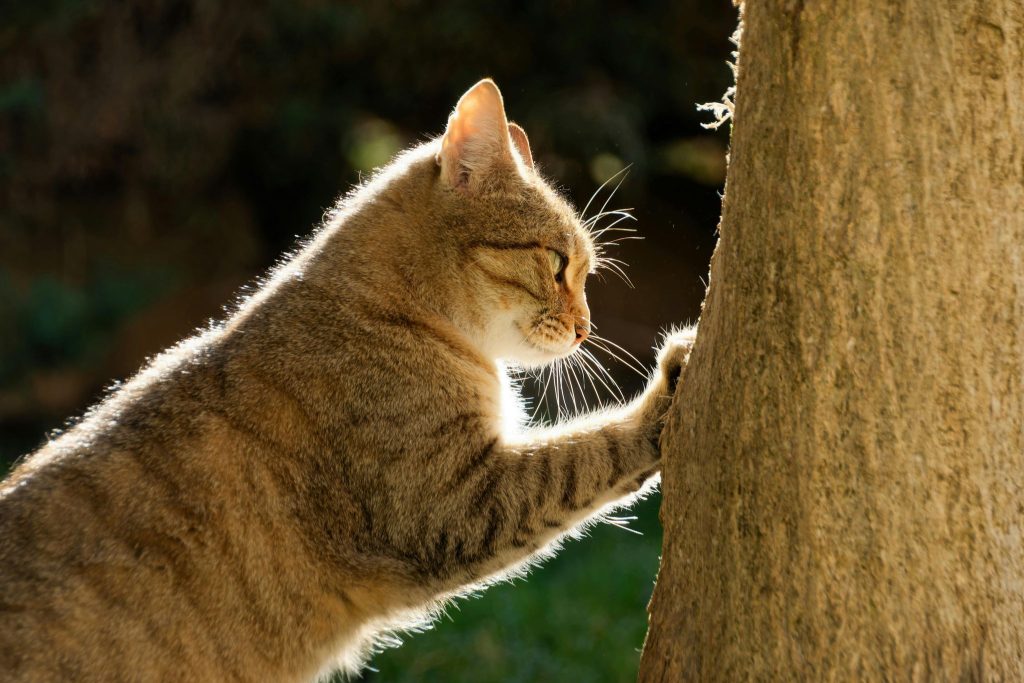
For most cat owners, there inevitably comes a moment of frustration when their beloved pet prefers to sharpen its claws on the living room sofa rather than the designated scratching post. However, the instinctual behavior of scratching goes well beyond mere destruction. It is essential for their physical and psychological well-being. Scratching helps cats maintain their claws, shedding old layers and promoting healthy growth while allowing them to stretch their muscles and flex their bodies.
Furthermore, scratching is a way for cats to express their territory visually and through scent. Many cats will scratch in specific locations to leave their marks for other felines, announcing, “This is my space.” To redirect this instinctual behavior positively, consider providing various scratching surfaces—like vertical posts, horizontal pads, or even scratching boards—crafted from different materials, such as sisal or cardboard, to cater to your cat’s preferences. Offering an array of options can satisfy their scratching needs and keep your furniture intact.
Vocalizations: The Vocal Cues of Cats
While cats are often considered to be quieter than their canine counterparts, their vocalizations speak volumes about their needs, emotions, and desires. Understanding the unique vocalizations of your feline can offer critical insight into their state of mind and help you respond effectively. From the familiar meow to purring and chattering, each sound serves a distinct purpose.
- Meowing: Typically directed at humans, meows can communicate a variety of messages, such as a desire for attention or a request for food. For example, your cat may adopt a specific pitch to indicate urgency when it’s meal time.
- Purring: Often regarded as a sign of contentment, purring can also indicate discomfort or anxiety, so context is crucial. A purr alongside kneading action might signify relaxation, while a sudden purr during grooming may hint at stress.
- Chirping or Chattering: This vocalization, often exhibited when a cat spots birds or small animals, displays excitement or frustration. The sound mimics a bird’s call and expresses their hunting instinct.
- Yowling: A louder, more distressed sound sometimes indicative of mating calls or discomfort, yowling can alert you to potential threats or health issues requiring attention.
By honing your understanding of these vocalizations, you not only foster a deeper bond with your pet but also enhance your ability to cater to their needs. Understanding that your cat is communicating allows for a more responsive and fulfilling relationship.
Delving into the common behaviors exhibited by cats provides an opportunity to glimpse into their emotional worlds. As you learn to interpret these subtle yet significant actions, you can create an enriched living space that acknowledges your feline friend’s instincts. Embracing the nuances of their behavior not only enhances your cat’s quality of life but can also forge a deeper, more rewarding partnership between you and your furry companion.
| Behavior | Meaning |
|---|---|
| Purring | Contentment or pain relief. |
| Kneading | Comfort-seeking and sign of affection. |
| Tail Position | Communication of mood—vertical shows happiness while horizontal means discomfort. |
| Slow Blinking | Trust and affection—often called a “cat kiss.” |
Understanding these common cat behaviors can enhance the bond between you and your feline companion. From the ever-so-soft purring that often indicates happiness or even a subtle signal of discomfort, to the kneading of their paws that showcases their need for security and love, each behavior tells a rich story about their emotional state. Tail positions are particularly insightful; a raised tail often reflects a confident and happy cat, while a tail tucked low may suggest a need for space. Furthermore, slow blinking can convey a genuine bond of trust, akin to a gentle greeting among cats.By recognizing and interpreting these behaviors, cat owners are better equipped to provide for their pets’ needs and nurture a deeper, more fulfilling relationship. Continue exploring these fascinating feline expressions and discover how to respond appropriately to nurture a harmonious living environment.
SEE ALSO: Click here to read another article
Tail Language: The Feline Signaling System
The cat’s tail is one of the most expressive parts of its body, acting as a signal system that conveys a range of emotions and reactions. Understanding tail language can enhance your interaction with your feline friend and inform you about their mood and state of mind.
Different tail positions and movements represent various sentiments:
- Upright Tail: A tail held high signifies confidence and happiness. Your cat is likely in a good mood and ready to engage with you.
- Curved Tail: When the tail forms a gentle curve at the top, it’s often a sign of affection, akin to a greeting when approaching another cat.
- Low or Tucked Tail: A tail that is low to the ground or tucked between the legs indicates fear or submission. This behavior can occur when your cat encounters a stressful or unfamiliar situation.
- Swaying or Flicking Tail: If you observe your cat swiping or flicking its tail back and forth, it may reflect agitation or irritation. This behavior often means your cat is feeling overwhelmed and needs space.
- Bristled Tail: A puffed-up tail is a clear signal of fear or aggression. When your cat’s tail appears bristled, it’s best to give them some distance.
Tail language enriches the communication between you and your cat. By reading their signals accurately, you can take appropriate actions based on their emotional state, ensuring a more harmonious living environment.
Kneading: The Comforting Ritual
Have you ever caught your cat kneading your lap or a soft blanket? This adorable behavior, often referred to as making biscuits, can perplex many cat owners. Kneading is rooted in kittenhood; when young kittens nurse, they instinctively knead their mother’s belly to stimulate milk flow. Therefore, when adult cats knead, it often evokes feelings of safety and comfort.
Beyond nostalgia, kneading serves several functions for adult cats. It can be a way for cats to mark their territory with scent glands located in their paws. When they knead on surfaces, they leave behind their scent, claiming that area as theirs. Additionally, kneading may serve as a stress-reliever, almost like a form of meditation, allowing cats to relax and unwind.
To enhance your cat’s kneading experience, provide soft, comfortable spaces where they can express this instinct. Soft blankets or designated pet beds can create a cozy environment that allows your cat to display this endearing behavior fully.
The Slow Blink: A Feline Expression of Trust
One of the most heartwarming behaviors exhibited by cats is the slow blink, also known as the “cat kiss.” A cat will slowly close its eyes and then reopen them, often while gazing at their owner. This deliberate action is a sign of trust and affection. In the wild, cats are instinctively cautious, and prolonged eye contact can be perceived as a threat. Therefore, when a cat chooses to slowly blink while maintaining eye contact, it’s their way of showing they feel safe and comfortable around you.
To reciprocate this gesture, try slow blinking back at your cat. This simple behavior fosters trust and can strengthen your bond. Observing how your cat reacts can provide insight into their comfort level and willingness to engage with you.
By exploring these common behaviors, such as tail language, kneading, and the slow blink, you gain valuable insight into what your cat is communicating. Taking the time to understand these nuanced signals leads to a richer and more fulfilling relationship with your feline companion.
SEE ALSO: Click here to read another article
Conclusion: Deepening the Bond with Your Feline Friend
Understanding your cat’s behavior is not just an intriguing endeavor; it is a gateway to forming a deeper, more enriching bond with your furry companion. By decoding common cat behaviors—such as tail language, kneading, and the slow blink—you gain invaluable insights into what your feline friend is communicating.
Recognizing the meanings behind these behaviors can help you respond appropriately, fostering an environment where your cat feels safe and understood. For instance, interpreting an upright tail as a sign of happiness can motivate you to engage positively, while noticing a bristled tail may alert you to give your cat some much-needed space. Every flick and purr tells you something, reinforcing the notion that cats are both complex and expressive creatures.
Moreover, taking the time to observe your cat’s actions can uncover their unique personality traits and preferences. As you grow more attuned to their behavior, you not only enhance their quality of life but also enrich your own experiences as a pet owner. Investing in understanding these subtle communications will transform your relationship into one that is rooted in trust and affection.
As we conclude this exploration of the feline behavioral code, remember that patience and observation are the keys to unlocking your cat’s world. Each day presents an opportunity to learn something new, as your cat’s behaviors are as dynamic and evolving as they are endearing. Embrace this journey; it will surely lead to a more fulfilling relationship with your beloved pet.