How to Help Your Pet Adjust to Visitors at Home Easily
Understanding Your Pet’s Anxiety During Gatherings
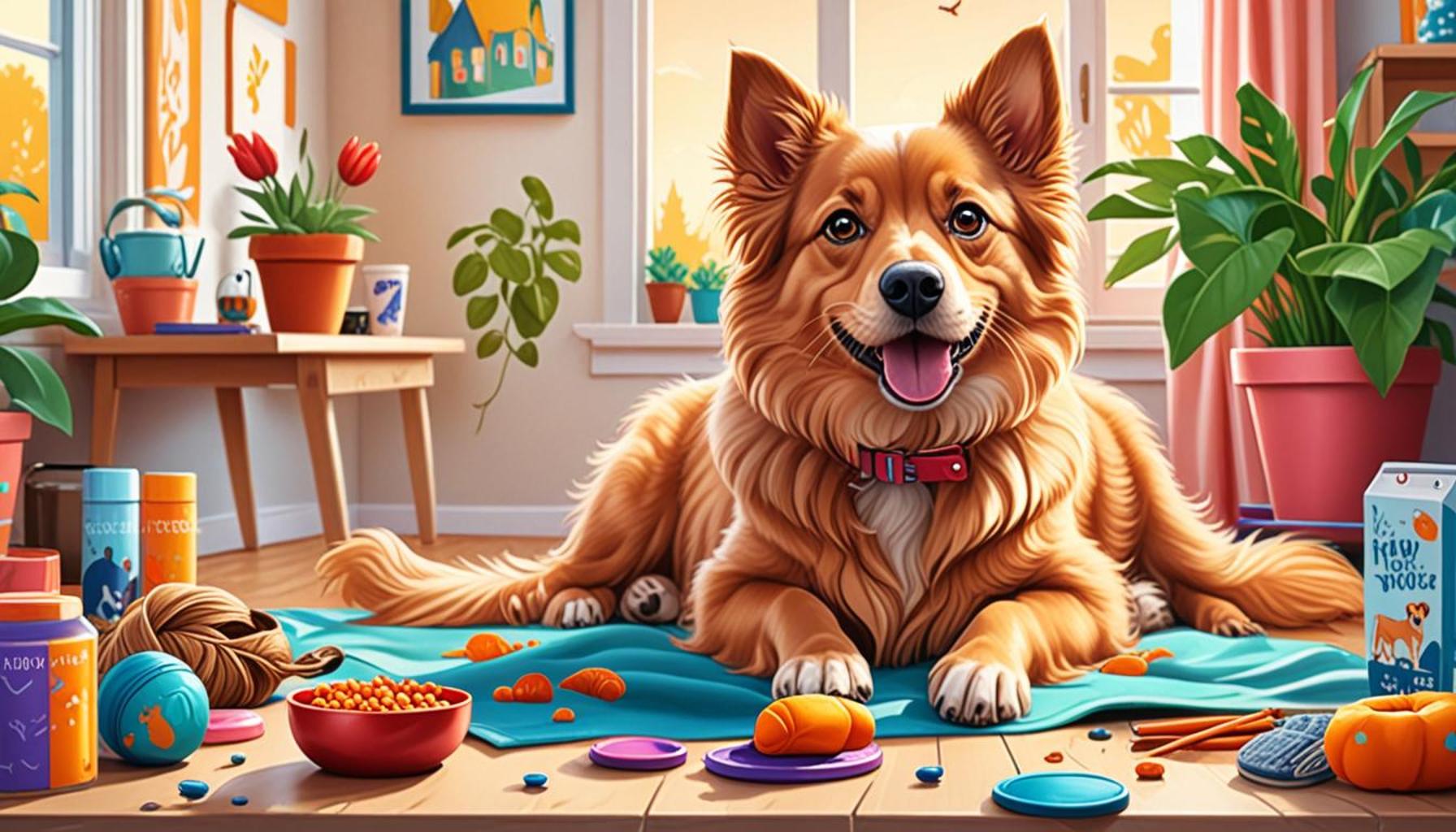
Welcoming guests into your home can be a joyous occasion, but for pets, it often spells uncertainty and anxiety. Pets, especially dogs and cats, can become overwhelmed when faced with multiple unfamiliar faces and new sounds. Their natural instinct is to seek safety and comfort, which makes it vital for pet owners to implement strategies to ease their furry friend’s nerves.
Effective Strategies for Easing Pet Anxiety
Fortunately, with a few thoughtful strategies, you can help your pet transition smoothly when faced with visitors. Below are some practical approaches to make these gatherings less stressful for everyone involved:
- Gradual Introduction: Before guests arrive, introduce your pet to their scents. This can be done by letting your friends leave behind an article of clothing or using a blanket that smells like them. Animals are keen on their sense of smell, and familiarizing your pet with these new scents can create a sense of comfort and diminish anxiety when your guests eventually arrive.
- Safe Space: Create a designated area, such as a cozy bed in a quiet room, where your pet can retreat if feeling overwhelmed. Equip this space with their favorite toys, water, and perhaps a piece of clothing that smells like you. This area should be off-limits to visitors, allowing your pet to feel secure without feeling threatened by sudden movements or noise from guests.
- Positive Reinforcement: Using treats to reward calm behavior when visitors are around is a powerful technique for promoting positive associations. For instance, when your pet remains calm as guests enter, give them a small treat or engage in a gentle game. This method not only encourages good behavior but also helps the pet to associate guests with positive experiences.
- Consistent Routine: Maintaining your pet’s daily schedule is essential to providing a sense of normalcy. Try to feed, walk, and play with your pet at their usual times, even when you have guests. This familiar structure can help alleviate stress and reassure your pet that their needs are still being addressed amidst the chaos.
The Benefits of Preparation
By implementing these suggestions, you not only ensure your furry companions feel secure but also enhance the overall atmosphere of your gathering. A calm pet significantly contributes to a stress-free environment for your guests, allowing everyone to enjoy the occasion. With a little preparation, your pet can join the fun or simply relax nearby, free from undue stress.
The key lies in understanding their needs and being proactive in addressing potential issues. Tailoring your approach will help foster a more harmonious relationship between your guests and your pets, ultimately enriching the experience for all involved.
Further Inquiry into Pet Comfort Techniques
Are you curious to learn more about effective techniques to help your pet adjust to visitors at home effortlessly? Exploring detailed methods such as creating positive experiences through socialization and familiarization with new people can introduce your pet to a more comfortable life. Research into anxiety-reducing toys, and calming products like pheromone diffusers, could also offer additional solutions for a stress-free environment during gatherings.
CHECK OUT: Click here to explore more
Recognizing Behavioral Signs of Stress in Pets
Before implementing strategies to help your pet adjust to visitors, it’s crucial to recognize the signs of stress that they may display. Pets communicate their discomfort in various ways, and understanding these cues can significantly aid in creating a more conducive environment during gatherings. Common indicators of anxiety in pets include:
- Whining or Barking: Dogs, in particular, may vocalize when they feel uneasy or threatened. If your pet is suddenly vocalizing more than usual, it’s essential to assess their comfort level.
- Hiding: Cats and dogs alike may seek refuge in small spaces or under furniture when they feel anxious. If your pet retreats to their safe space, this could be a clear sign that they need a break from the crowd.
- Pacing or Restlessness: If you notice your pet moving around inconsistently, circling, or unable to settle down, they might be struggling to cope with the influx of visitors.
- Excessive Grooming: An increase in self-grooming or paw licking can indicate stress. Take note if your pet exhibits this behavior more frequently than normal.
- Change in Appetite: A nervous pet may avoid eating in the presence of guests. Keep an eye on their eating habits before and after gatherings.
Understanding these signs is the first step in ensuring your pet feels safe and secure. Each animal is unique and may respond differently to the presence of strangers. By being observant, you can better tailor your preparation strategies to address their specific needs.
Utilizing Pre-Visit Techniques
In addition to recognizing stress signals, employing pre-visit techniques can significantly affect how your pet copes with visitors. One effective method is to engage in desensitization exercises. This involves gradually exposing your pet to the sounds and smells associated with visitors before the actual event. Here are some techniques to consider:
- Sound Conditioning: Play recordings of doorbells, chatter, or laughter at a low volume, gradually increasing the intensity as your pet grows accustomed to the sounds.
- Short Visits: If your friends are willing, have them visit for a brief period without overwhelming your pet. Initially, allow them to interact from a distance, slowly working towards closer encounters as your pet seems comfortable.
- Rewarding Calm Behavior: During these exercises, consistently reward your pet for calm behavior. This reinforcement will help them build positive associations with the presence of strangers.
By effectively preparing your pet for visitors, not only can you reduce their anxiety, but you can also foster a more welcoming atmosphere in your home. Understanding and implementing these strategies will lay the groundwork for a harmonious gathering while supporting your pet’s emotional well-being.
| Adjustment Techniques | Visitor Preparation |
|---|---|
| Gradual Exposure | Introduce your pet to the visitor’s scent before the meeting. |
| Positive Reinforcement | Encourage calm behavior by rewarding your pet with treats. |
| Safe Space | Provide a retreat area for pets feeling overwhelmed. |
| Controlled Environment | Keep initial introductions calm and quiet. |
Understanding how to prepare both your pet and your visitors can make a significant difference in ensuring a smooth transition when guests arrive. By employing techniques such as gradual exposure and positive reinforcement, pet owners can help alleviate anxiety. Moreover, creating a safe space for your pet allows them to retreat if they feel uncomfortable, promoting a sense of security. Additionally, preparing visitors with guidelines on how to interact with pets fosters a peaceful environment. These strategies not only help in easing tension but also enhance the overall experience for both pets and guests, making visitations a much more enjoyable occasion.
SEE ALSO: Click here to read another article
Creating a Safe Space for Your Pet
As visitors begin to arrive at your home, it’s essential to provide your pet with a designated safe space where they can retreat if they feel overwhelmed. This area should be familiar and comforting, allowing your pet to feel secure while still being part of the environment. Here are some steps to consider when setting up this vital sanctuary:
- Choose the Right Location: Select a quiet room or corner in your home that is away from the hustle and bustle of gatherings. This could be a bedroom, a bathroom, or even a cozy nook with their favorite bed and toys.
- Familiar Items: Surround your pet with their cherished toys, blankets, or even a piece of your clothing to provide a sense of security. Familiar scents can significantly alleviate anxiety and help your pet feel more at ease.
- Gate or Barrier: Consider installing a baby gate to create a barrier if your pet is small or needs a physical separation from visitors but still wants to keep an eye on the activity happening in the rest of the house.
Encourage your pet to use their safe space before the arrival of guests by introducing playtime or offering treats within that area. Doing so will help them associate the space with positive experiences, allowing them to retreat there during stressful situations.
Establishing Ground Rules for Guests
It’s equally important to communicate with your guests before they arrive. Establishing ground rules can help minimize your pet’s stress levels and encourage positive interactions. By doing this, you prepare your guests to respect your pet’s boundaries and create a welcoming atmosphere:
- Educate Guests: Inform visitors about your pet’s behavior. Let them know the signs of stress to watch for, and explain how to approach or interact with your pet calmly. Encourage gentle interactions and discourage sudden movements that may startle them.
- No Surprise Greetings: Request that guests refrain from approaching your pet directly, especially if your pet is showing signs of anxiety. Instead, ask them to allow your pet to come to them on their own terms, creating a less intimidating environment.
- Utilize Treats: Suggest that guests bring treats or toys to help foster positive associations. This approach can encourage your pet to connect with your visitors without feeling threatened.
Having a chat with your visitors prior to their arrival can help set expectations and create a supportive environment. A little effort in communication can go a long way in making the experience smoother for both your pet and your guests.
Monitoring and Adjusting During the Visit
Throughout the visit, be attentive to your pet’s behavior. If you notice any signs of discomfort or anxiety, such as excessive barking, hiding, or pacing, gently encourage them to use their safe space. Recognizing when to intervene can prevent stressful situations from escalating. Additionally, ensure that your guests are aware of any signs of distress.
If your pet appears to be handling the situation well, consider offering them brief moments of interaction with your visitors, always monitoring their comfort level. This gradual introduction can help build positive associations for your pet while allowing guests to engage with them in a non-threatening manner.
Understanding your pet’s needs and the dynamics of social gatherings can create a more enjoyable experience for everyone involved. By implementing these strategies, you are not only prioritizing your pet’s well-being but also ensuring that your home is a welcoming space for both pets and people alike.
CHECK OUT: Click here to explore more
Conclusion
Adjusting to visitors at home can be a daunting experience for many pets, but with the right strategies in place, it can become a much smoother process for both your furry friends and your guests. By creating a safe space, you provide your pet with a sanctuary to retreat to when they feel overwhelmed, ensuring their comfort amidst the chaos of social interactions. Establishing ground rules for your guests lays the groundwork for respectful and gentle interactions, fostering a welcoming atmosphere that benefits everyone.
Monitoring your pet’s behavior during visits allows you to recognize signs of stress and intervene when necessary, creating a dynamic where your pet can gradually adjust to guest interactions at their own pace. This attentiveness not only enhances your pet’s experience but also teaches your guests how to approach and engage in a manner that is sensitive to your pet’s needs. The result is a harmonious environment where all feel at ease.
As you implement these guidelines, remember that every pet is unique and may require different levels of support and adjustment. By prioritizing their emotional well-being, you open doors to a more enjoyable home life for everyone. For further insights into relieving pet anxiety or managing visitor interactions, consider exploring additional resources or expert advice tailored to your pet’s specific needs. Embrace the journey of helping your pets thrive in a bustling household; after all, a happy pet contributes to a happy home.