Dog Cat or Small Pet Comparing Owner Profiles Routines
Exploring Pet Ownership Profiles in the U.S.
In the United States, pet ownership is a cherished aspect of many households, reflecting a profound bond between humans and animals. The types of pets chosen often align closely with the lifestyles and personalities of their owners. Understanding the nuances of dog, cat, and small pet ownership can reveal fascinating details about how these relationships shape daily life and social interactions.
Dog Owners: The Active Companions
Dog owners are frequently characterized by their active lifestyles. This connection often translates into a daily routine centered around outdoor activities. For instance, walking a dog can become a vital part of their day, not just for the pet’s exercise but also for the owner’s physical health and social engagement. Parks across the U.S. buzz with dog owners using facilities like dog parks, where dogs can socialize while their owners mingle, fostering community relationships.
Moreover, many dog owners prioritize training and behavioral development, engaging in classes that contribute to a well-rounded pet. Activities like obedience training, agility challenges, or even local dog shows can become integral to their social calendars, showcasing how these pet dynamics enrich their lives significantly.
Cat Owners: Embracing Independence
In contrast, cat owners often appreciate the autonomy that these pets provide. Cats typically require less hands-on attention compared to dogs, allowing their owners to maintain a more flexible and relaxed routine. This independence can lead to unique forms of companionship where the bond is valued on the terms of the cat.
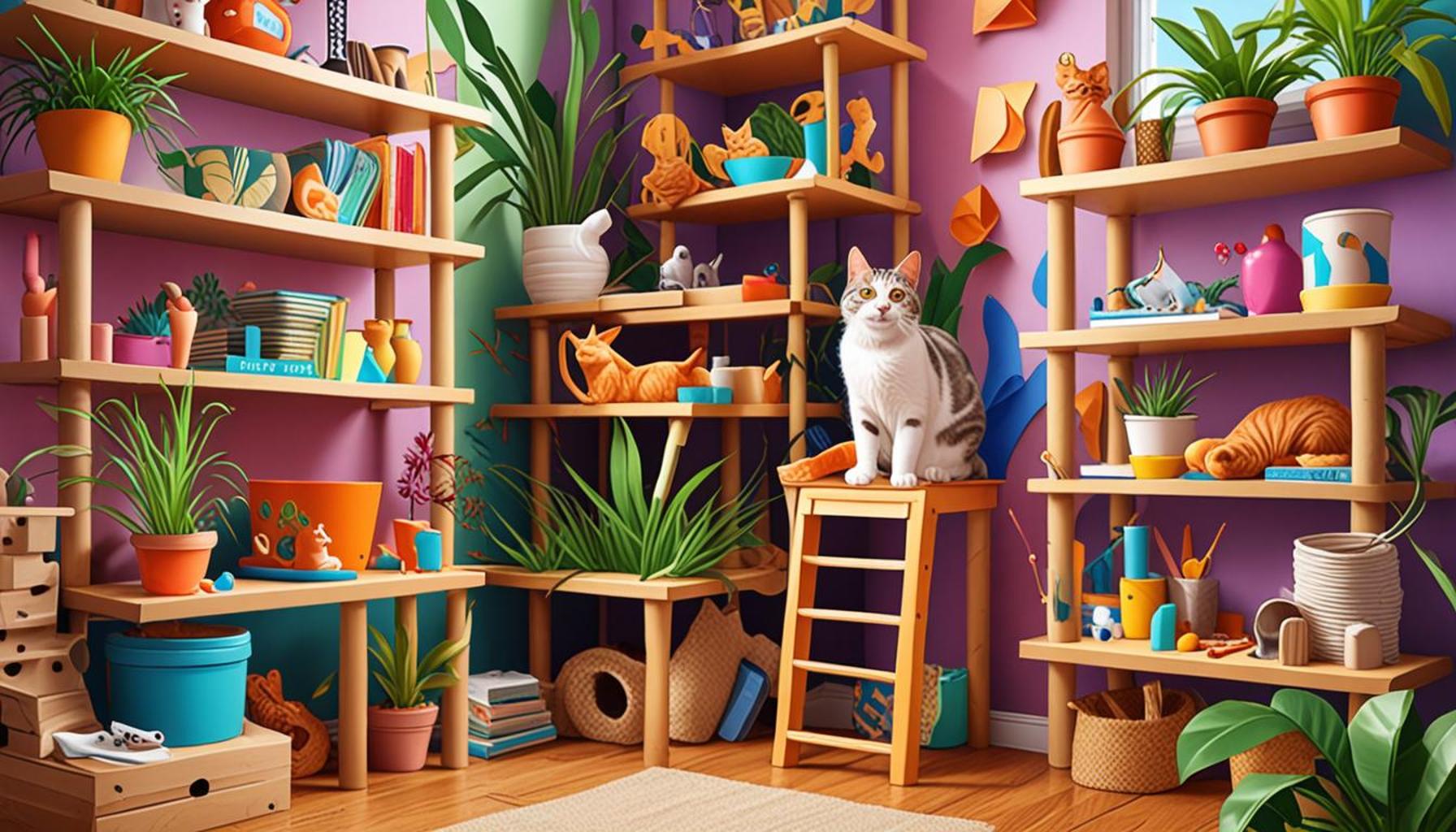
For many, this means creating a peaceful home where the cat can explore, curl up, or play at its leisure. Cat owners often indulge in providing their felines with enriched environments, such as cat trees, scratching posts, and interactive toys that stimulate mental engagement. Additionally, the cultural phenomenon of “cat cafes” across the country exemplifies how cat ownership can also lead to social experiences, as people gather in spaces dedicated to enjoying the company of cats.

Small Pet Owners: Nurturing Unique Companions
Small pet owners, encompassing a wide array from hamsters to reptiles, often cultivate specialized care routines that highlight their commitment to understanding the needs of their pets. These pets may require unique habitats, diets, and care requirements that demand attentiveness and knowledge. For example, a hermit crab owner may spend time setting up an optimal aquarium environment, while a guinea pig owner monitors the social dynamics between multiple pets.
The intricacies of caring for small pets can create a different sense of fulfillment for their owners, as they often invest time in habitat enrichment activities, promoting both comfort and stimulation for their animals. This commitment also influences daily schedules, as routines may revolve around feeding, cleaning cages, and ensuring appropriate environments for various species.
Conclusion: Reflecting on Diverse Connections
Understanding the different profiles of pet ownership in the U.S. allows for a more profound appreciation of how pets influence human lives. From promoting an active lifestyle among dog owners to creating a calm, independent dynamic with cats, and the specialized care small animals require, pet ownership is indeed a reflection of individual personality and lifestyle choices. Each pet type shapes its owner’s daily routine, offers emotional support, and encourages a unique sense of community and connection. This exploration invites readers to reflect on their own experiences and consider the profound ways in which their companions enhance their lives.
CHECK OUT: Click here to explore more
Understanding the Daily Routines of Pet Owners
The daily lives of pet owners vary significantly based on the type of pet they have chosen. Each group—dog, cat, and small pet enthusiasts—embarks on a unique journey that reflects their lifestyle, values, and preferences. By exploring the specific routines associated with each type of pet, we can gain insight into how pet ownership influences the everyday lives of millions across the United States.
Daily Patterns of Dog Ownership
For dog owners, life revolves around structured routines that prioritize physical activity and social interaction. Morning walks, typically the first task of the day, can range from brisk jogs to leisurely strolls, catering not only to the dog’s need for exercise but also to the owner’s desire for daily physical activity. This functional morning ritual often sets a positive tone for the day ahead.
In addition to regular walks, dog owners frequently engage in:
- Training Exercises: Daily sessions of obedience training or fun tricks strengthen the bond between owner and dog while promoting mental stimulation.
- Playtime: Interactive sessions of fetch or tug-of-war are essential for satisfying a dog’s energy levels and needs for social interactions.
- Social Engagement: Visits to the dog park or participation in community dog events turn regular outings into social opportunities, connecting pet owners with each other.
The routine of dog ownership can also influence the social calendar, as many owners arrange meet-ups and activities that include their furry companions, creating a sense of community among dog lovers.
The Laid-Back Lifestyle of Cat Ownership
Contrast this with cat owners, who often enjoy a more relaxed approach punctuated by moments of quality interaction with their independent pets. Cats typically thrive in environments where they can explore and engage on their own terms, making them appealing for those with busy schedules.
Daily routines for cat owners may consist of:
- Feeding Routines: Scheduled mealtimes allow cats to enjoy a stable routine, fostering a sense of security in their environment.
- Active Engagement: Owners often schedule play sessions with feather wands or laser pointers, which provide essential physical and mental stimulation for their feline friends.
- Cozy Cradling: Many cat owners take solace in the companionship of their pets, finding comfort in shared moments of affection, often cuddling on the couch while watching TV.
This flexible setup leaves space for spontaneity, reflecting the independent nature of cats, as owners admire their pets from a distance, letting them dictate the rhythm of their interactions.
Unique Routines of Small Pet Enthusiasts
The small pet culture encompasses a diverse array of animals, including hamsters, rabbits, and reptiles. Small pet owners often establish unique routines that focus on the specialized needs of their tiny companions. Every small pet type entails distinct care requirements, leading owners to craft highly tailored schedules.
Typical routines for small pet owners may involve:
- Habitat Maintenance: Daily tasks such as cleaning cages, replacing bedding, and ensuring that the pet’s living environment remains pristine.
- Dietary Management: Preparing specialized diets, which may include fresh vegetables for rabbits or specific pellets for guinea pigs, demanding attention to nutrition and feeding schedules.
- Interactive Play: Owners often engage with their small pets through supervised out-of-cage play sessions that stimulate exploration and bonding.
Small pets foster a unique connection that nourishes their owners’ nurturing instincts while fitting into a less demanding routine compared to larger pets.
As we unravel the dynamic routines of these different pet ownership profiles, it becomes clear that each type of pet shapes the owner’s day in distinctive ways, highlighting the significant role animals play in our rhythms of life.
| Owner Profile | Routine Highlights |
|---|---|
| Dog Owners | Active Lifestyle, daily walks, and outdoor activities contribute to bonding. |
| Cat Owners | Independent Companionship, playtime and feeding routines are crucial for health and engagement. |
| Small Pet Owners | Compact Care, tailored feeding and social interaction ensure well-being and amusement. |
Understanding the distinct profiles of pet owners can unlock insights into their daily routines and overall lifestyles. Dog owners often engage in more outdoor activities, which not only promote their own physical health but also strengthen the bond with their pets. The necessity for daily walks and exercise encourages a routine that caters to both pet and owner.Conversely, cat owners typically embrace a more laid-back lifestyle, highlighting an aspect of independence. Their routines often focus on creating stimulating environments for their feline friends while still ensuring adequate playtime and interaction. This balance is essential for mental and physical health.Lastly, small pet owners, such as those with hamsters or guinea pigs, typically follow a specific regimen tailored to their pets’ unique needs. This can include special feeding times, habitat maintenance, and social interaction to ensure their small companions thrive. By comparing these routines, one can appreciate the diverse experiences of pet ownership and how each lifestyle aligns with the needs of various pets.
SEE ALSO: Click here to read another article
Comparing the Challenges and Rewards of Each Pet Ownership Profile
As we delve deeper into the routines of various pet owners, it’s essential to acknowledge the challenges and rewards that accompany each type of pet ownership. While the day-to-day experiences can greatly vary, the underlying satisfaction derived from being a pet parent remains a common thread among all pet owners.
Challenges Faced by Dog Owners
While dog ownership brings joy and companionship, it also comes with its set of challenges. Key areas of concern for dog owners often include:
- Time Commitment: Dogs require significant time and attention, making them less suited for individuals with demanding work schedules or frequent travel.
- Behavioral Issues: Training a dog can be demanding; behavioral problems such as barking, chewing, or aggression may arise if not managed properly.
- Financial Responsibility: The costs associated with dog ownership, including vet bills, grooming, food, and training, can accumulate quickly, necessitating a stable income for responsible care.
Despite these challenges, dog owners often express a greater sense of community. Collaborative experiences, from attending dog-friendly outings to sharing advice with other dog owners, solidify support networks and enhance social connections.
The Tranquility of Cat Ownership
Conversely, cat owners enjoy a generally low-maintenance pet experience, yet they, too, face specific challenges. Common aspects include:
- Affection Levels: Cats can display a range of affection that may vary daily. This inconsistency may lead to perceptions of aloofness for new cat owners.
- Health Monitoring: Cats can be secretive about their health; subtle symptoms may go unnoticed, requiring vigilant owners to keep a close eye on any signs of illness.
- Grooming Needs: Although cats groom themselves, certain breeds require regular brushing to prevent matting and maintain coat health.
The independence of cats also allows owners to experience pet companionship without significant interruptions in their daily lives, making them an appealing choice for busy individuals or families.
The Nurturing Dynamics of Small Pet Ownership
Small pet owners, while enjoying their pets’ charming and affectionate nature, encounter typical challenges. Aspects of small pet ownership can include:
- Specialized Care: Each small pet has specific needs. For instance, rabbits require a diet high in fiber, while guinea pigs need vitamin C supplementation, making proper care a learning curve.
- Limited Interaction: Some small pets are less social than dogs or cats and may require patience to build a bond, which can sometimes lead to frustrations for new owners.
- Space Considerations: Many small pets need designated spaces to safely explore, which can be a constraint in smaller living arrangements.
Nevertheless, the joys of witnessing a hamster run in its wheel or a rabbit binky across the room often outweigh the difficulties of small pet ownership. Their quirky behaviors and minimal demand for attention offer a unique, satisfying companionship.
As we explore the myriad routines and experiences of dog, cat, and small pet owners, it is vital to understand that the emotional rewards—unconditional love, loyalty, and companionship—serve as the central motivation behind pet ownership. Each routine uniquely shapes the lives of its owners, revealing a fascinating tapestry of interactions driven by a shared love for animals.
SEE ALSO: Click here to read another article
Conclusion: The Diverse Experience of Pet Ownership
The exploration of pet ownership profiles reveals a rich tapestry of routines, challenges, and emotional rewards that resonate with individuals across the spectrum. Whether one leans toward the spirited companionship of dogs, the independent yet affectionate nature of cats, or the quirky charm of small pets, each ownership experience is uniquely enriching. Dog owners are often drawn to their pets for the vibrant social interactions and community building that comes from shared activities and outings. In contrast, cat owners may find solace in the low-maintenance companionship that allows for a blend of independence and affection, perfect for those with busier lifestyles.
Small pet owners, often navigating specific dietary and environmental needs, enjoy a different set of joys—each amusing behavior offers a refreshing break from daily routines. Despite facing unique challenges, such as time commitments, health monitoring, or specialized care, the bottom line remains the same: pet ownership fosters deep emotional bonds that transcend daily hurdles.
Whether your preference lies with barking, purring, or cute little squeaks, it is evident that the motivations for bringing a pet into one’s life go beyond companionship. The rewards of love, loyalty, and the simple joy of shared moments are what truly enrich the lives of pet owners. As America continues to embrace pet ownership, understanding these diverse roles and routines allows potential pet parents to make informed decisions, ultimately leading to a fulfilling and harmonious life alongside their chosen companions. Thus, the journey of pet ownership is not merely about the type of animal but about the profound connection humans forge with their furry or tiny friends.